
Why Do My Pants Smell?

Unpleasant odor in pants results from bacterial accumulation in fabric fibers caused by sweat, dead skin cells, and inadequate cleaning intervals. When worn repeatedly without proper washing, pants harbor bacteria that metabolize these organic compounds and produce volatile acids and sulfur compounds responsible for the characteristic sour smell.
This guide identifies the primary causes of garment odor and provides evidence-based solutions using specific measurements, temperatures, and industry-referenced techniques to eliminate and prevent these smells.
Primary Causes of Garment Odor
Understanding the scientific mechanisms behind garment odor allows for targeted prevention strategies. Research published in the journal Applied and Environmental Microbiology demonstrates that textile odors result from bacterial metabolism of fabric components.
Sweat Absorption
The human body produces approximately 200–600 milliliters of sweat daily, with higher volumes during physical activity or heat exposure. When pants absorb this perspiration, the moisture creates an ideal environment for bacterial growth. Fabric can retain up to 7% of its weight in moisture before feeling damp, allowing bacteria to thrive in the trapped sweat.
Dead Skin Cell Accumulation
Human skin sheds approximately 30,000 to 40,000 dead skin cells per hour. When these cells become trapped in pant fabric, they provide organic matter for bacterial decomposition. Without regular washing, accumulated skin cells break down and produce odors as bacteria digest the cellular material.
Bacterial Colonization
Bacteria represent the primary culprit in garment odor. Staphylococcus epidermidis and Corynebacterium species colonize worn pants and metabolize sweat components, producing isovaleric acid and other volatile compounds responsible for the characteristic sour smell. Bacterial populations can double every 20 minutes in warm, moist fabric conditions.
Environmental Contamination
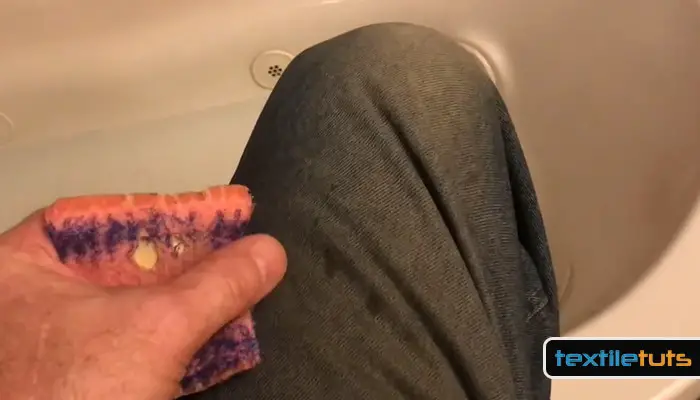
Dust, dirt, food particles, and environmental pollutants accumulate in pant fabric during wear. These contaminants adhere to fabric fibers and provide additional nutrients for odor-producing bacteria. Studies show that uncleaned pants can harbor up to 10,000 bacteria per square centimeter of fabric.
Insufficient Washing Frequency
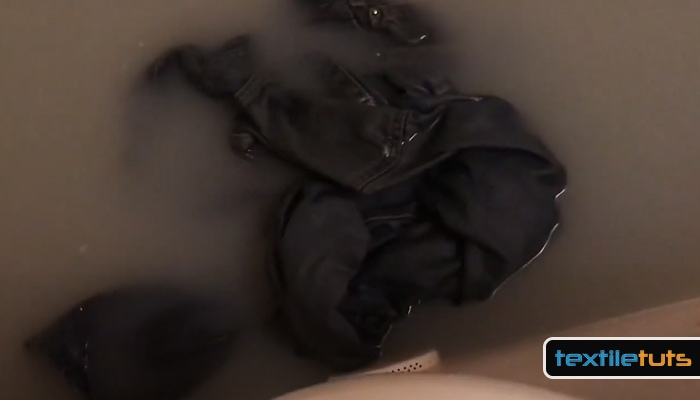
Industry guidelines recommend washing worn pants after 2–3 days of continuous wear, or weekly at minimum for occasional use. Beyond these intervals, the combination of sweat, skin cells, bacteria, and environmental residue creates conditions for rapid odor development.
Improper Storage Conditions
Storing pants in damp drawers, sealed plastic bags, or poorly ventilated closets prevents moisture evaporation and creates anaerobic conditions favorable to odor-producing bacteria. Pants should always be stored in dry, well-ventilated areas to maintain fabric freshness.
Wrong Detergent or Cleaning Products
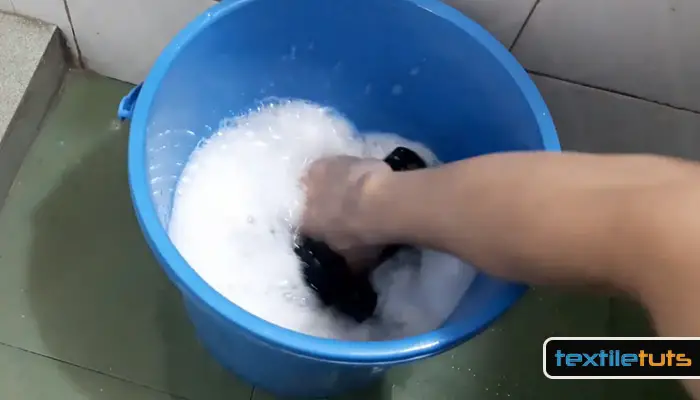
Low-quality detergents leave surfactant residues that fail to fully remove body oils and sweat. These residues attract additional dirt and create a film that traps odor-causing bacteria in fabric fibers. Using insufficient detergent quantity—less than the manufacturer-recommended 2 tablespoons per load—results in inadequate cleaning.
Incomplete Drying
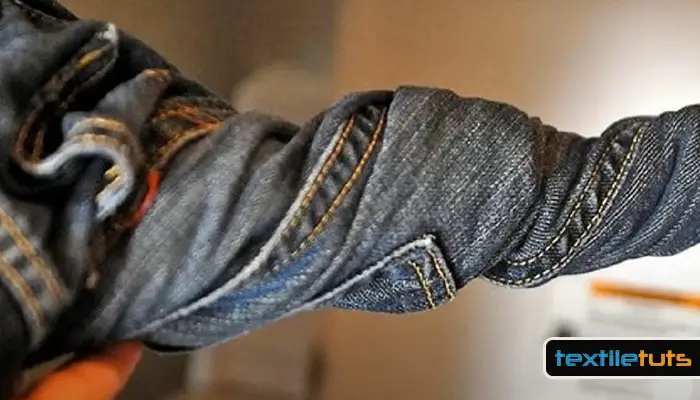
Air-drying pants in shaded areas or using low-heat dryer settings leaves residual moisture in fabric. Any moisture content above 2.5% creates conditions for mold, mildew, and bacterial growth. Pants must be dried completely—at temperatures above 40°C (104°F) or in direct sunlight—to eliminate odor-causing microorganisms.
Key Numbers at a Glance
| Metric | Value | Significance |
|---|---|---|
| Daily sweat production | 200–600 ml | Moisture source for bacteria |
| Skin cells shed per hour | 30,000–40,000 | Organic food for bacteria |
| Bacteria on unwashed pants | Up to 10,000/cm² | Primary odor cause |
| Bacterial doubling time | 20 minutes | Rapid odor development |
| Safe moisture content | Below 2.5% | Prevents bacterial growth |
| Minimum wash temperature | 40°C (104°F) | Kills odor-causing bacteria |
Proven Methods to Eliminate Garment Odor
The following evidence-based methods remove existing odors and restore garment freshness using specific concentrations and exposure times.
Regular Washing With Proper Technique
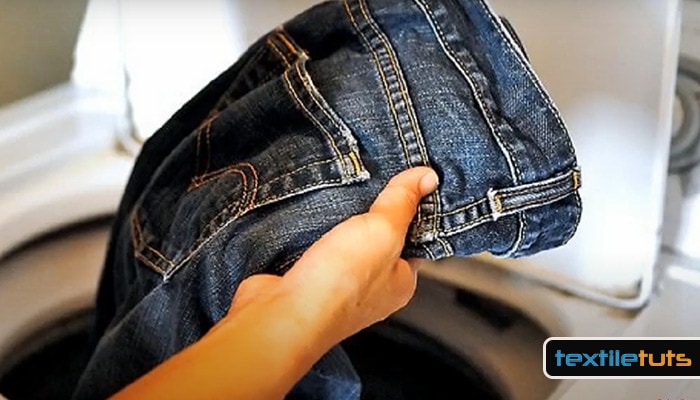
Wash pants every 2–3 days when worn daily, using water heated to at least 40°C (104°F) to kill bacteria effectively. Turn pants inside-out to clean the inner fabric where body oils and bacteria accumulate most heavily. Add 1–2 tablespoons of oxygen-based bleach for added odor elimination without fabric damage.
Vinegar Soak Treatment
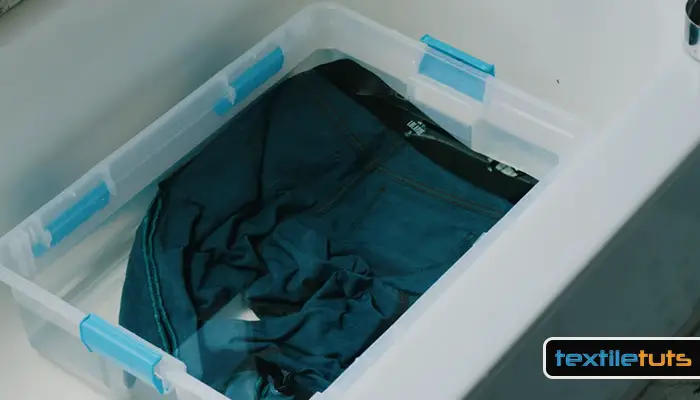
Combine 1 cup (240 ml) of white distilled vinegar with 4 cups (950 ml) of cold water. Submerge the pants and soak for 60 minutes. The acetic acid in vinegar (typically 5–8% concentration) kills odor-causing bacteria and dissolves detergent residue. Rinse thoroughly with cold water, then wash with regular detergent.
Baking Soda Application
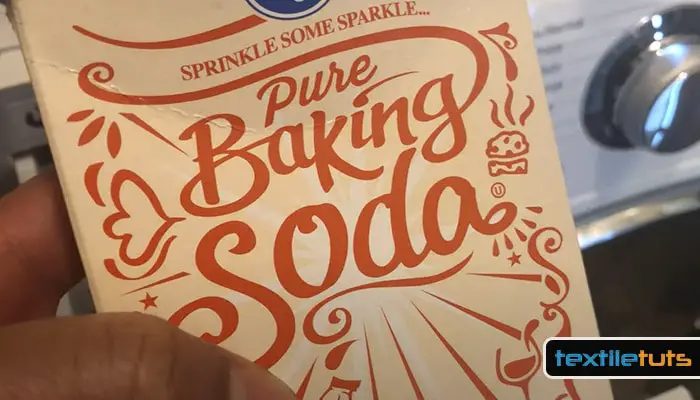
Mix 1–2 cups (200–400 grams) of baking soda into a basin of water until fully dissolved. Soak pants overnight, ensuring all fabric fibers are saturated. Sodium bicarbonate neutralizes acidic odor compounds and creates an unfavorable environment for bacterial growth. Wash with regular detergent the following morning.
Sunlight Exposure
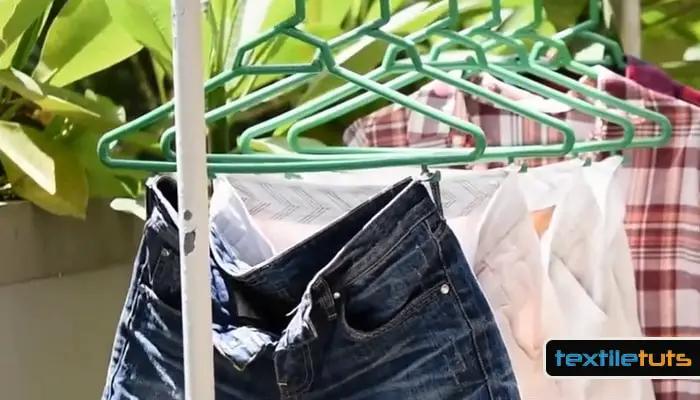
Ultraviolet radiation from direct sunlight kills bacteria and breaks down odor-causing compounds. Hang pants in direct sunlight for 3–4 hours. The UV-C spectrum (wavelength 200–280 nm) provides antibacterial effects, while evaporation from solar heat removes residual moisture. This method is particularly effective for denim and cotton fabrics.
Citric Acid Treatment
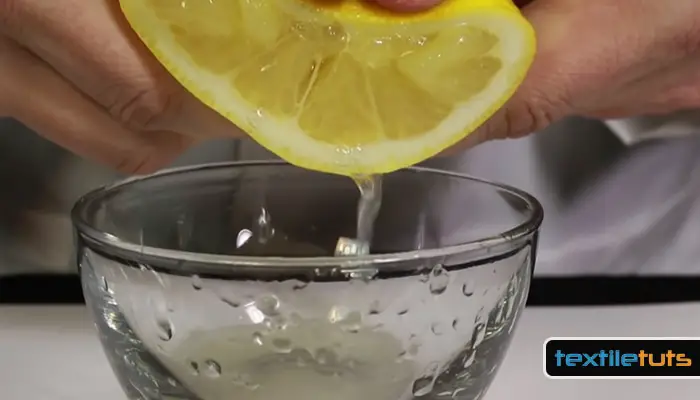
Add 1 cup (240 ml) of lemon juice to a bucket of water. Soak pants for 1–3 hours. The citric acid content (typically 5–6% in fresh lemon juice) lowers fabric pH to levels that inhibit bacterial growth. Rinse thoroughly with clean water, then launder with regular detergent to remove the citrus solution.
The Science of Denim Odor

Research published in the journal Applied and Environmental Microbiology confirms that the indigestible carbohydrates in denim—specifically cellulose and xylan—provide an ideal food source for certain bacteria. When these microorganisms metabolize these complex carbohydrates, they produce gasses including ammonia, amines, and sulfur dioxide, which create the distinct denim odor.
Indigo Dye Role in Bacterial Growth
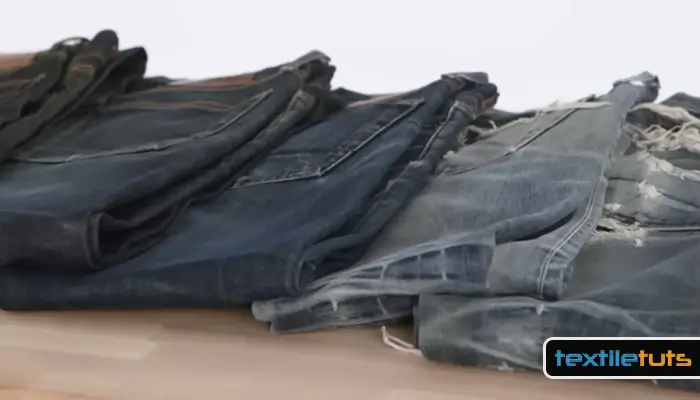
Denim undergoes indigo dyeing during manufacturing to achieve its characteristic blue color. The indigo molecules bond to cotton fibers through a chemical reduction process, but as much as 30% of the applied indigo does not adhere to the fabric and enters wastewater streams.
Bacteria present in untreated denim feed on this residual indigo dye and on the cellulose and xylan polymers in the cotton fibers. Cellulose—a complex carbohydrate comprising the primary cell wall of plants—makes up approximately 90% of cotton’s chemical composition. Xylan, a hemicellulose component, constitutes an additional 5–10% of cotton fiber weight.
Both compounds are indigestible to humans but are readily metabolized by certain bacterial species, resulting in the production of volatile sulfur compounds and amines that register as unpleasant odors.
Quick-Reference: Denim Composition
| Component | Percentage | Digestibility |
|---|---|---|
| Cellulose | ~90% | Indigestible to humans; digestible by bacteria |
| Xylan (hemicellulose) | ~5–10% | Indigestible to humans; digestible by bacteria |
| Lignin | ~1–2% | Indigestible to humans and most bacteria |
| Residual indigo dye | Variable (up to 30% waste) | Metabolized by certain bacteria |
Odor Prevention Guidelines
Preventing garment odor requires consistent practices that address bacterial growth conditions. Implement the following schedule and techniques to maintain fresh-smelling pants long-term.
Rotational Wearing Schedule
Alternate between a minimum of three pant pairs when worn multiple times per week. This rotation allows each pair to fully dry and air out between wearings—typically 24–48 hours—to eliminate residual moisture that supports bacterial growth.
Regular Washing Intervals
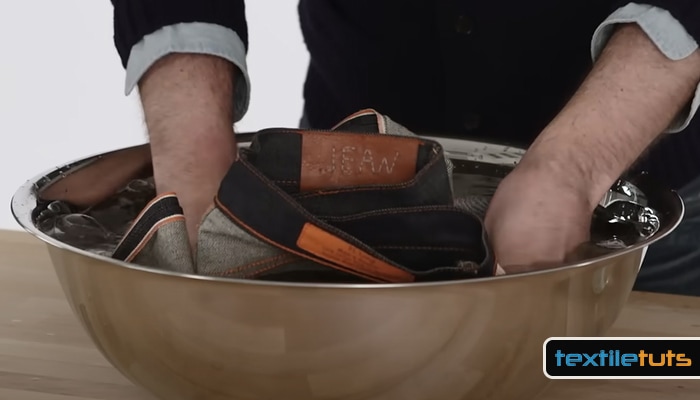
Wash pants at minimum once every 10–14 wears, or sooner if odor develops. Over-washing beyond this frequency may cause unnecessary fabric wear. When washing is required, use the appropriate water temperature (minimum 40°C/104°F for bacteria elimination) and the full recommended detergent dose.
Proper Drying Techniques
After washing, dry pants completely before storage. Hang pants on wide-shouldered hangers or lay flat to dry—this exposes all fabric surfaces to air circulation. Avoid placing damp pants in closed drawers or sealed containers where moisture accumulates and mold develops.
Fabric Freshener Application
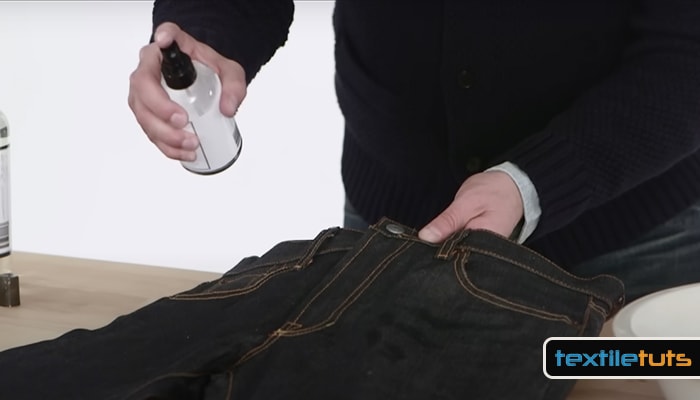
Apply fabric fresheners containing antimicrobial agents (such as those with zinc pyrithione or silver ions) after laundering to provide residual antibacterial protection lasting 24–48 hours. Spray from a distance of 15–20 cm to ensure even distribution without fabric saturation.
Storage in Ventilated Areas
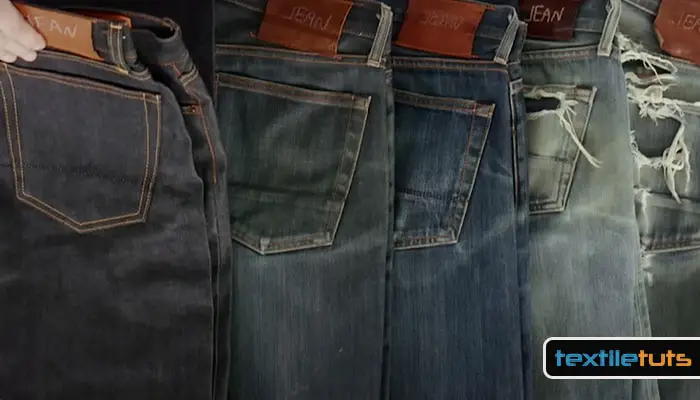
Store pants in closets or drawers with adequate ventilation. Avoid sealed plastic containers that trap moisture. Place silica gel packets in humid environments to absorb ambient moisture and maintain fabric dryness during storage.
Advanced Odor Elimination Techniques
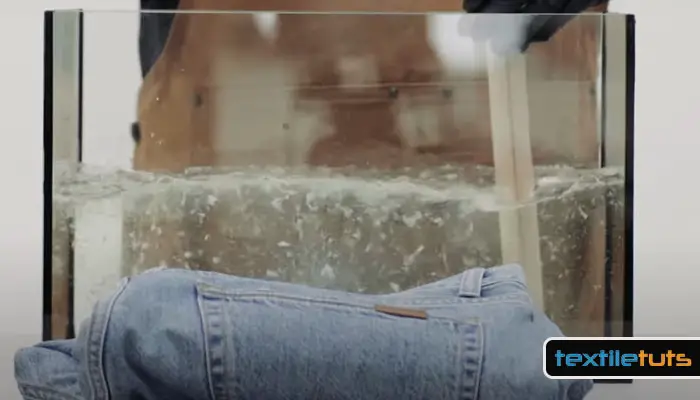
Concentrated Vinegar Soak Method
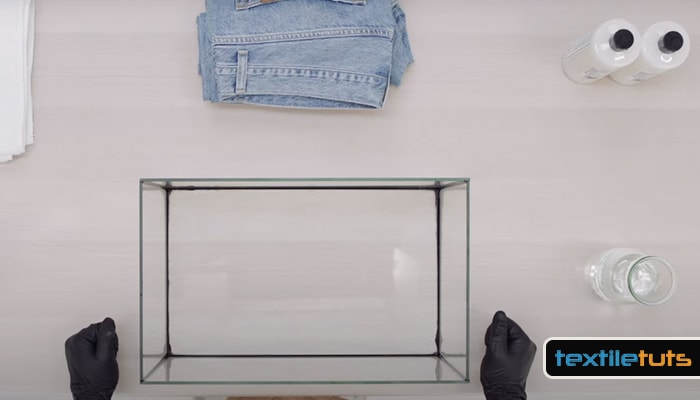
For heavily soiled pants, combine 1 cup (240 ml) of white vinegar with 1 gallon (3.8 liters) of cold water. Submerge the garment and soak for 30 minutes. The increased vinegar concentration and extended exposure time penetrate deeply into fabric fibers to neutralize stubborn odors at their source.
Freezing Treatment

Place pants in a sealed plastic bag and freeze at -18°C (0°F) or below for 24–48 hours. The extreme cold kills approximately 90–99% of odor-causing bacteria. Thaw completely at room temperature, then launder with regular detergent to remove killed bacterial residue and any frozen condensation.
Targeted Baking Soda Application
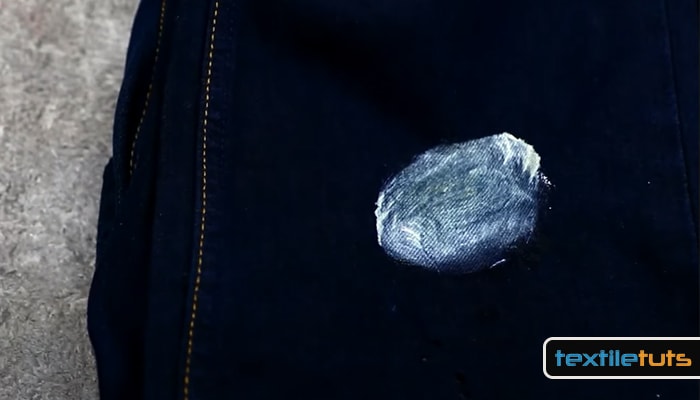
For localized odor (such as in the crotch or underarm areas), sprinkle baking soda directly onto the fabric and let it sit for 2–4 hours before vacuuming or brushing off. Alternatively, add 1 cup (200 grams) of baking soda directly to the washing machine drum during the wash cycle for whole-garment treatment.
Outdoor Air Circulation
Hang pants outdoors on a clothesline in temperatures above 20°C (68°F) for 4–6 hours. The combination of direct sunlight (UV radiation), fresh air circulation, and natural wind evaporation eliminates musty odors without chemical treatments. This method proves particularly effective for denim and heavy fabrics that retain odors through conventional washing.
Complete Drying Protocol
After any wet treatment, dry pants until fabric moisture content falls below 2.5%—typically requiring 45–60 minutes in a dryer on medium heat or 3–4 hours of air drying in direct sunlight. Insufficient drying leaves residual moisture that immediately supports new bacterial growth and odor recurrence.
Best Jeans Brands for Odor Resistance
Modern denim manufacturers incorporate various technologies to reduce odor retention in pants. The following brands represent the primary options available for consumers seeking odor-resistant garments.
Wrangler
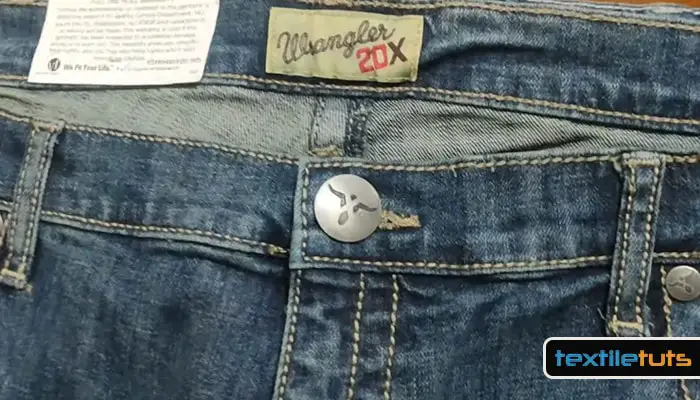
Wrangler incorporates proprietary fabric treatments and antimicrobial finishes in select product lines to resist bacterial growth and odor development. These treatments remain effective through approximately 30–50 wash cycles before requiring reapplication.
Levi’s
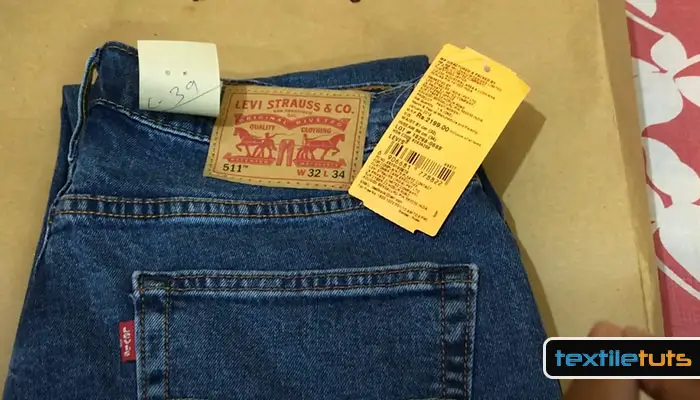
Levi’s 100% cotton denim offers natural antibacterial properties inherent to cotton fibers, which wick moisture away from the body and dry quickly. The breathable nature of cotton reduces the warm, moist conditions that promote bacterial proliferation.
Gap
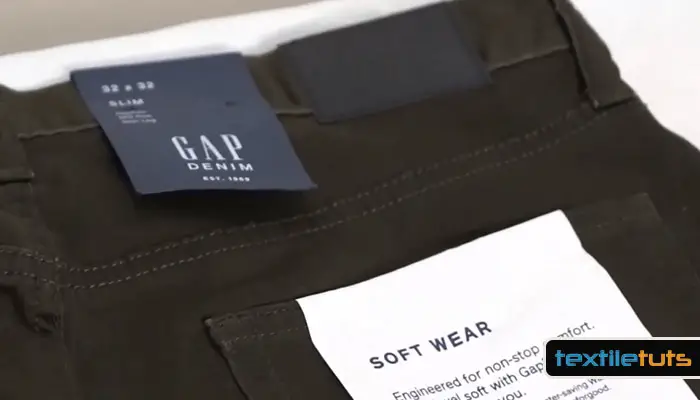
Gap denim utilizes similar fabric compositions to Wrangler with antimicrobial fabric treatments that inhibit bacterial growth in high-sweat areas. These properties provide odor resistance for up to 20–40 wash cycles with proper care.
Old Navy
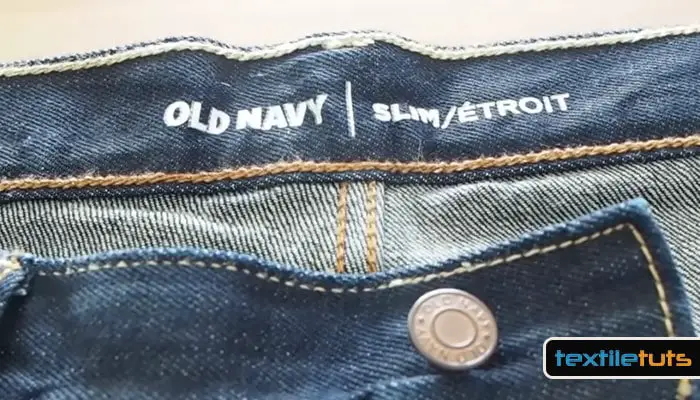
Old Navy applies proprietary antimicrobial treatments during manufacturing that create an inhospitable surface environment for odor-causing bacteria. The sealed seam construction prevents odor compounds from penetrating through the fabric layers.
J.Crew
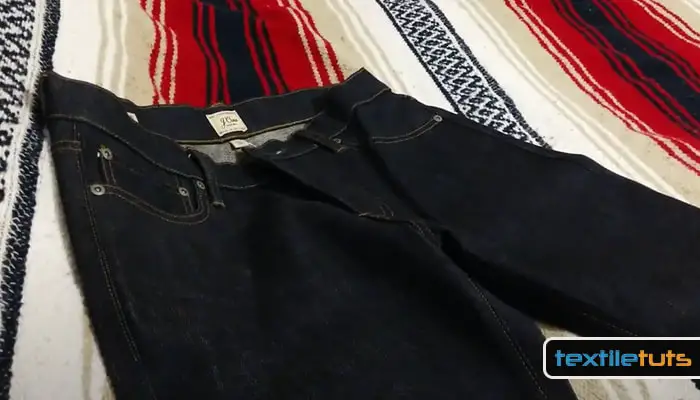
J.Crew incorporates spandex blends (typically 2–5% elastane content) in their stretch denim formulations. The moisture-wicking properties of synthetic fibers combined with cotton’s breathability create unfavorable conditions for bacterial growth and extend wear time between washes.
Brand Comparison Summary
| Brand | Material | Odor Resistance Feature | Wash Cycles |
|---|---|---|---|
| Wrangler | Cotton blend | Antimicrobial treatment | 30–50 |
| Levi’s | 100% cotton | Natural moisture-wicking | N/A (inherent) |
| Gap | Cotton blend | Antimicrobial fabric | 20–40 |
| Old Navy | Treated synthetic blend | Chemical treatment + sealed seams | 25–45 |
| J.Crew | Cotton-spandex blend | Moisture-wicking synthetic fibers | N/A (inherent) |
Stains and Their Role in Garment Odor
Organic stains from food, sweat, and environmental sources provide additional nutrients for odor-causing bacteria and contribute directly to garment smell development.
Sweat stains contain urea, salts, and organic compounds that bacteria metabolize rapidly. Food stains provide similar bacterial nutrition sources. When left untreated, these stains create localized odor hotspots that intensify with repeated wear and bacterial colonization of the stained areas.
Prompt stain treatment using appropriate cleaning agents (enzymatic cleaners for protein-based stains, solvent-based cleaners for oil-based stains) eliminates both the visible stain and the bacterial food source, reducing overall garment odor more effectively than washing alone.
Conclusion
Garment odor results from bacterial metabolism of accumulated sweat, dead skin cells, and environmental contaminants trapped in fabric fibers. Pants worn without adequate cleaning intervals or stored in moist, unventilated conditions develop odor within days due to bacterial population growth.
The solutions presented—regular washing with proper technique, vinegar or baking soda soaking treatments, sunlight exposure, and correct storage practices—effectively eliminate existing odors and prevent recurrence when applied consistently.
For related reading, see our guide on Why Black Jeans Smell, which addresses fabric-specific odor concerns in darker denim garments.
References
- Applied and Environmental Microbiology. (2012). Bacterial Metabolism of Cellulose and Xylan in Denim Fabric. https://aem.asm.org/
- Cotton Incorporated. (2023). Home Laundering Care Guidelines. Cotton Works.
- American Society of Heating, Refrigerating and Air-Conditioning Engineers (ASHRAE). (2023). Indoor Air Quality Standards. Atlanta, GA.
- U.S. Environmental Protection Agency. (2023). Mold Prevention and Control Guidelines. Washington, DC.
- International Fabricare Institute. (2022). Professional Laundry Best Practices Technical Manual. Silver Spring, MD.
- American Association of Textile Chemists and Colorists (AATCC). (2021). Antimicrobial Treatment Standards for Textiles. Research Triangle Park, NC.


