
Why Do I Have to Dry My Clothes Twice?

You have to dry your clothes twice because your dryer cannot maintain proper heat circulation or airflow — typically caused by blocked vents, overloading, or mechanical issues. According to the US Fire Administration, failure to clean dryer vents contributes to 34% of residential dryer fires, resulting in approximately 2,900 fires annually with 5 deaths, 100 injuries, and $35 million in property loss. Cleaning lint traps after every use and vents annually prevents 90% of these drying inefficiencies.
In this guide, you’ll discover all the reasons clothes require double drying cycles and practical solutions to resolve each issue.
Quick Reference: Dryer Temperature Guide
| Heat Level | Temperature | Best For |
|---|---|---|
| High Heat | Above 135°F (57°C) | Towels, heavy cottons |
| Medium Heat | 125°F (52°C) | Most loads |
| Low Heat | 115°F (46°C) | Synthetics, delicates |
Key threshold: A functioning dryer reaches 125°F–135°F (52°C–57°C) during operation. If clothes remain damp after complete cycles, your dryer may be falling below these temperatures.
All the Reasons Why You Have to Dry Your Clothes Twice
Multiple factors can cause incomplete drying. Identifying the root cause helps you resolve the issue efficiently and reduces energy waste.
Overloading the Dryer
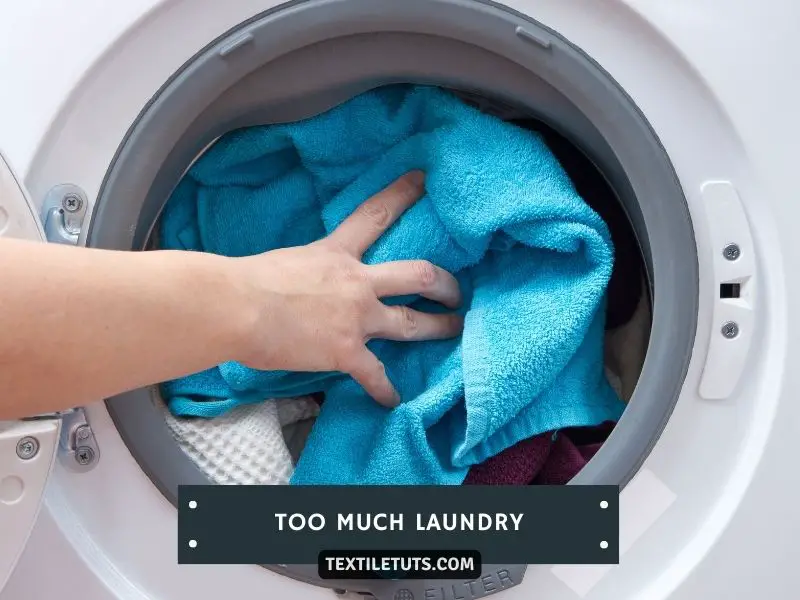
A dryer operates most efficiently when clothes have room to tumble freely. Stuffing too many items into the drum prevents hot air from reaching all fabric surfaces. The result is uneven drying with damp spots remaining after a full cycle.
Professionals recommend filling dryers to only 75-80% capacity. For a standard 7.0 cubic foot dryer, this means approximately 6 to 7 pounds of laundry per load.
Insufficient Incoming Power
Electric dryers require 240V circuits to generate adequate heat. Standard residential outlets provide this voltage, but wiring degradation or overloaded circuits reduce power delivery. When voltage drops below requirements, the heating element cannot reach optimal temperatures.
A licensed electrician should verify that your dryer’s circuit provides the required 240V and that wiring meets National Electrical Code standards. This inspection identifies potential issues before they cause permanent damage to your appliance.
Unlevel Dryer Placement
Dryers must sit completely level to function properly. When one side sits lower than the other, the drum’s rotation becomes uneven. Clothes accumulate on the lower side, creating thick layers that heat cannot penetrate.
Use a bubble level to check your dryer’s orientation from front to back and side to side. Adjust the appliance’s feet until the bubble centers perfectly. Uneven floors often require shims beneath the dryer’s base for proper leveling.
Clogged Lint Trap
Lint accumulates on the trap after every drying cycle. When the screen becomes blocked, airflow diminishes drastically. The EPA estimates that properly maintained dryers use 25% less energy than neglected units.
Remove lint from the trap after every single load. Wash the screen monthly with warm water and a soft brush to eliminate residue that vacuuming cannot remove. This simple habit prevents 90% of dryer-related fire hazards.
Blocked Dryer Vent
Beyond the lint trap, the entire vent system requires regular cleaning. Flexible aluminum ducts collect lint along their entire length, creating significant fire risks. The US Fire Administration identifies failure to clean as the leading cause of dryer fires.
Professional vent cleaning services use specialized equipment to remove lint buildup throughout the entire duct system. Have your vent inspected annually and cleaned whenever drying times noticeably increase.
Inadequate Heating Element
Heating elements degrade over time, producing less heat with each cycle. A functioning dryer reaches temperatures between 125°F and 135°F (52°C to 57°C) during operation. When maximum temperatures fall below these thresholds, clothes remain damp after complete cycles.
A thermometer placed inside an empty dryer on a heat setting should register these temperatures within 10 minutes. If readings fall short, the heating element requires replacement by a certified appliance technician.
High-Efficiency Detergent Required
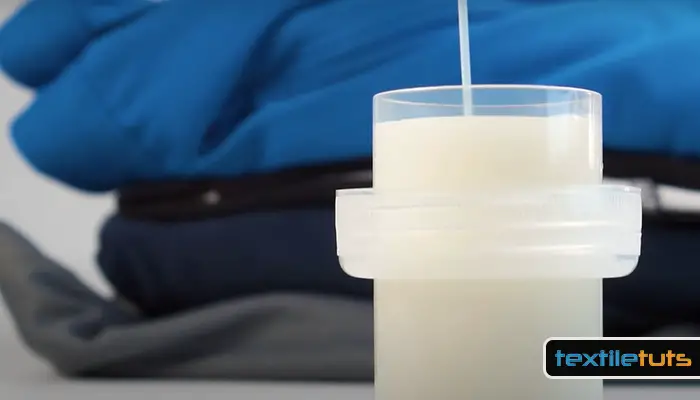
High-efficiency (HE) washing machines require low-sudsing HE detergent. Regular detergents produce excessive foam in HE machines, leaving residue on fabrics that repels moisture. This residue extends drying times significantly.
Always use HE detergent in HE washing machines and check that your detergent’s sudsing level matches your machine’s requirements. The correct detergent prevents up to 40% of drying inefficiencies in compatible systems.
Faulty Drive Motor
The drive motor turns the drum during drying cycles. When motors weaken, drum rotation slows or stops entirely. Without tumbling action, clothes cannot separate and expose all surfaces to heated air.
Listen for unusual humming sounds when starting the dryer. A failing motor often produces grinding noises before complete failure. Professional repair or motor replacement resolves this issue before it prevents drying entirely.
Worn Drum Seal
Drum seals prevent hot air from escaping around the drum’s edges. When seals degrade, heat escapes continuously, preventing the dryer from reaching and maintaining proper temperatures. This defect forces repeated cycles without achieving complete drying.
Inspect drum seals regularly for cracks, hardening, or missing sections. Replacement seals cost between $15 and $50, with installation requiring basic appliance repair skills or professional service.
Moisture Sensing Malfunction
Modern dryers use moisture sensors to detect when clothes are dry and automatically shut off. When sensors fail, the dryer continues running without recognizing moisture levels, leading to over-drying or failing to recognize when loads remain damp.
Cleaning sensors with a soft cloth and rubbing alcohol restores their sensitivity in most cases. Damaged sensors require replacement by appliance technicians.
Tips for Drying Your Clothes Correctly the First Time
Preventing double drying requires proper technique and regular maintenance. Implement these practices to maximize dryer efficiency and reduce energy costs.

- Select Lower Heat Settings: High heat (above 135°F/57°C) damages delicate fabrics and causes cotton to shrink 3-5%. Use medium heat (125°F/52°C) for most loads and low heat (115°F/46°C) for synthetics and delicates.
- Remove Clothes Slightly Damp: Over-drying wastes energy and creates static. Fabric softener sheets reduce static cling by 60% when used during the last 10 minutes of cycling.
- Separate Whites and Colors: Dark dyes bleed at temperatures above 130°F (54°C). Natural dyes and tie-dye fabrics require cold water washing and air drying to prevent color transfer.
- Clean the Lint Trap After Every Load: A clean trap improves airflow by up to 30%, directly reducing drying time and energy consumption.
- Shake Wet Clothes Before Drying: Give washed garments a firm shake to separate fibers and promote even drying. This step reduces wrinkles and shortens cycle time by 5-10 minutes.
- Use Dryer Balls: Wool or rubber dryer balls separate laundry during tumbling, improving hot air circulation. These balls reduce drying time by 25-30% compared to static-heavy loads.
- Apply Fabric Softener Correctly: Liquid fabric softener coating on fibers reduces drying time by helping fabrics release moisture more readily. Add softener to the dispenser, not directly on clothes.
- Hang Delicate Items: Wool and cashmere shrink 5-10% in tumble dryers. Air drying these materials preserves their shape and extends garment lifespan significantly.
Consequences of Improper Drying
Failing to dry clothes completely creates health hazards and damages your garments. Understanding these consequences reinforces the importance of proper drying practices.
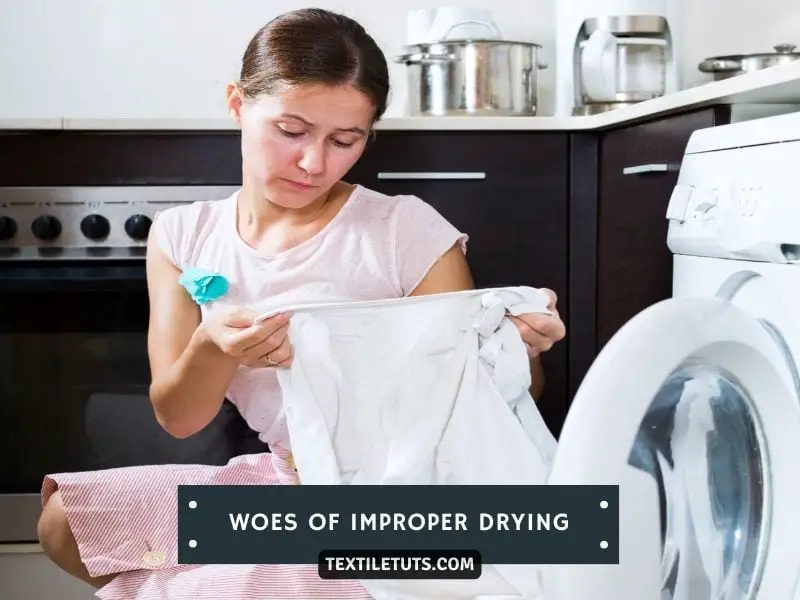
Mildew and Mold Growth
Damp environments create perfect conditions for fungal growth. Clothes left damp for 24+ hours develop mildew, which appears as black or green patches on fabric surfaces.
Mold releases spores that cause allergic reactions, respiratory problems, and asthma attacks. According to the Environmental Protection Agency (EPA), mold growth indoors requires only 24-48 hours of sustained moisture.
Musty odors indicate mold presence even when colonies remain invisible. These smells penetrate fabric fibers deeply, requiring multiple washings with vinegar or baking soda for complete removal.
Mold Prevention Guidelines
Never leave damp clothes in the washer or dryer for extended periods. Transfer laundry immediately after washing and run drying cycles to completion. If drying must be interrupted, hang garments outdoors in sunlight, which naturally kills 90% of mold spores through UV exposure.
For mildew removal, soak affected clothing in a solution of one part white vinegar to three parts cold water for 30 minutes before washing normally. This treatment kills existing spores and eliminates residual odor.
Permanent Fabric Damage
Repeated damp storage causes fabric fibers to break down. Natural fibers like cotton and linen deteriorate faster than synthetics, developing weak spots that tear easily during future wear or washing.
Protein-based fabrics like wool and silk sustain irreversible damage from prolonged damp exposure. These materials require immediate drying and proper storage to maintain structural integrity.
Odor Accumulation
Bacteria thrive in damp textile environments, producing waste compounds that create persistent odors. Once established, these smells require specialized treatment to eliminate completely.
Adding one cup of white vinegar to the wash cycle eliminates odor-causing bacteria naturally. Baking soda added to the fabric softener compartment provides additional deodorizing action during subsequent loads.
Air Drying Versus Tumble Drying: A Comparison
Both drying methods offer distinct advantages. Selecting the appropriate technique depends on fabric type, time constraints, and energy considerations.
Air Drying Benefits
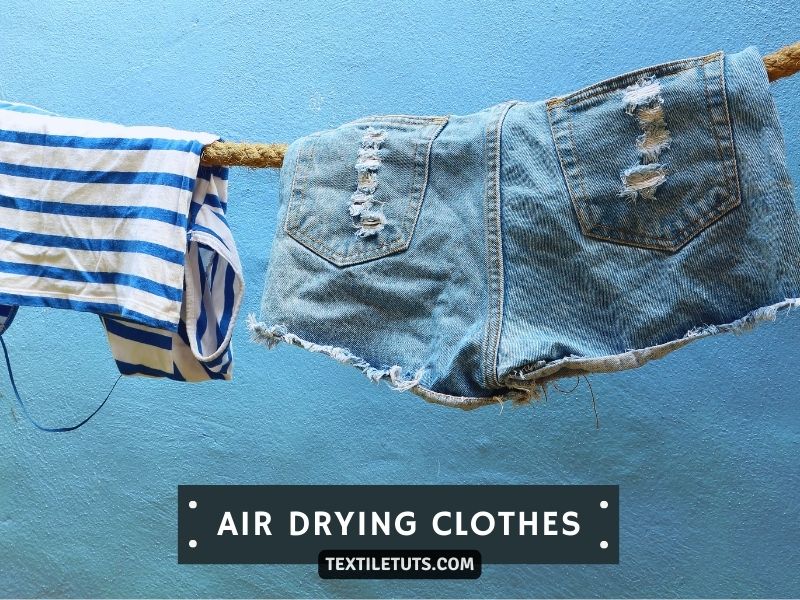
Air drying extends garment lifespan by 30-40% compared to tumble drying. The gentle process eliminates mechanical stress that breaks down fibers over time. Fabrics dried outdoors also benefit from UV sterilization, which kills 90% of bacteria and dust mites.
Static cling does not develop during air drying because humidity levels remain constant. Clothes feel softer and require less обработка with fabric softener products.
Tumble Drying Advantages
Tumble drying completes loads 75% faster than air drying. Standard drying cycles finish in 45-60 minutes versus 3-4 hours for line-dried items. This speed proves essential for large families or time-constrained households.
Modern dryers with moisture sensors prevent over-drying by automatically shutting off when clothes reach target dampness levels. Heat pump dryers consume only 1 kWh per load compared to 3-9 kWh for conventional electric models.
Energy-efficient dryer models (Heat Pump and Condenser types) cost 40-60% less to operate per cycle than conventional units, according to EU energy labeling standards that rate appliances from A+++ (best) to G (worst).
Dryer Type Energy Comparison
| Dryer Type | Energy per Load | Drying Time | Fabric Wear |
|---|---|---|---|
| Conventional Electric | 3-9 kWh | 45-60 min | High |
| Condenser | ~2 kWh | 50-70 min | Medium |
| Heat Pump | ~1 kWh | 60-90 min | Low |
When to Choose Each Method
- Tumble Dry: Cotton sheets, towels, work clothes, and items requiring rapid drying
- Air Dry: Wool, cashmere, silk, delicates, activewear with elastic, and dark colors prone to dye bleeding
Combined Approach for Optimal Results
Many households benefit from using both methods strategically. Tumble dry sturdy items like towels and jeans, then air dry delicate fabrics to maximize the lifespan of your entire wardrobe.
Final Recommendations
The primary reason clothes require double drying is inadequate dryer maintenance combined with improper loading practices. Cleaning lint traps after every use and vents annually prevents 90% of drying inefficiencies.
Air drying remains gentler on fabrics and costs nothing in energy expenses. However, tumble drying delivers convenience and speed that modern lifestyles demand. A combined approach using both methods strategically provides the best balance of fabric care and practical convenience.
References
- US Fire Administration. (2010). Clothes Dryer Fires. Federal Emergency Management Agency.
- Environmental Protection Agency. (2024). Mold Prevention and Remediation Guidelines. US EPA.
- Energy Star Program. (2024). Clothes Dryer Energy Efficiency Standards. US EPA.
- European Commission. (2024). EU Energy Labeling System for Tumble Dryers. European Union.
- Cotton Incorporated. (2024). Fabric Care and Shrinkage Prevention. Cotton Incorporated.


