
How to Wash Fleece Without Pilling or Static

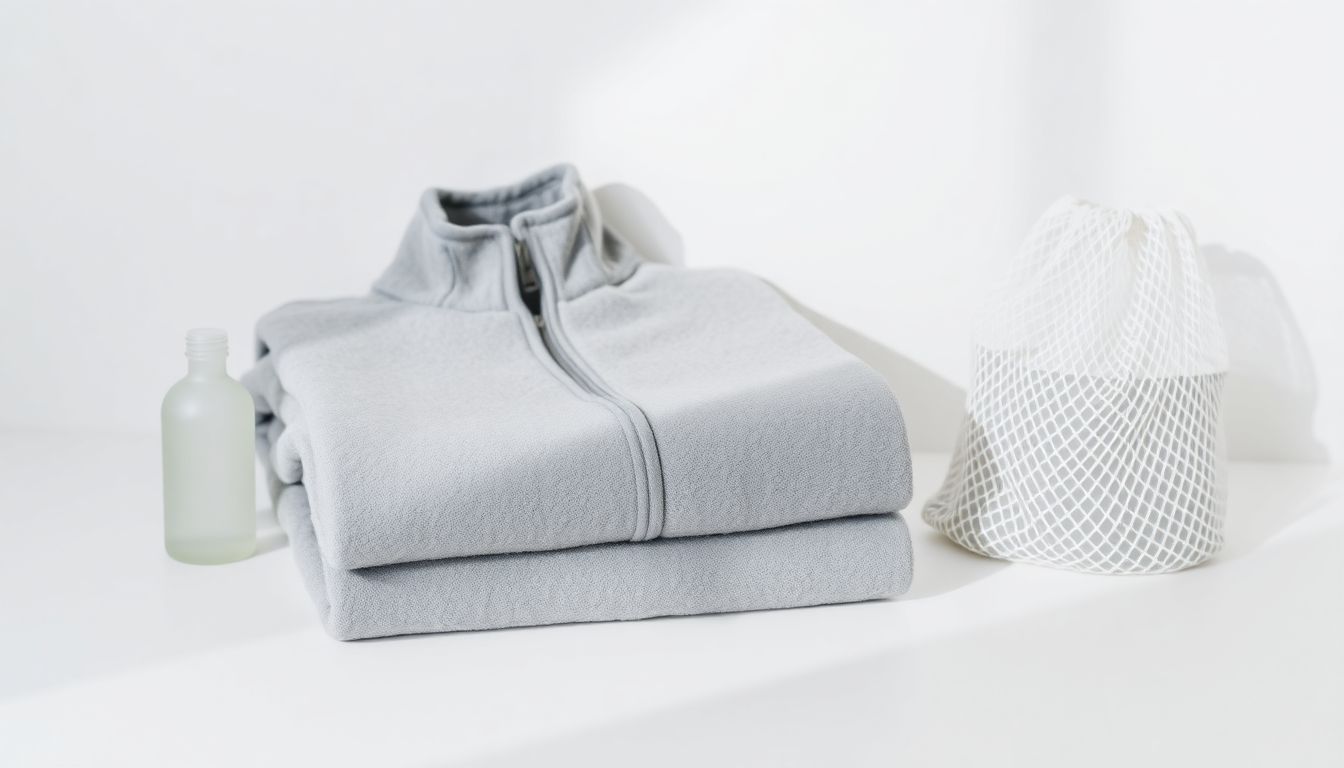
Fleece must be washed in cold water (below 30°C) on a gentle or hand-wash cycle using mild detergent — heat and agitation cause the polyester fibers to pill and create static cling. To prevent pilling, turn the garment inside out, use a laundry bag, and avoid fabric softener which coats fibers and accelerates pilling. Air drying flat prevents distortion and static buildup better than any dryer setting.
Fleece Pills Because Mechanical Agitation Tangles Loose Polyester Fiber Ends
Polyester fleece is a synthetic fabric made from polyester (PET) fibers — fine plastic filaments cut into short lengths and mechanically brushed to raise a soft nap on the fabric surface. That brushing process creates the fleece’s legendary softness and its primary vulnerability: thousands of loose fiber ends protruding from the fabric surface. These loose ends are the first points of contact during washing and wearing, and they tangle immediately when subjected to friction. When these tangled fiber ends knot together, they form the small, rough balls called pills that give worn fleece its faded, worn-out appearance. The primary driver of pilling is mechanical agitation — the tumbling action inside a washing machine drum or the friction of a hot dryer cycle. Textile testing research demonstrates that high-speed spin cycles and top-load agitators produce significantly more pilling than front-load machines on gentle cycles. Heat compounds this problem: exposing polyester to water above 40°C (104°F) causes the fiber surface to soften slightly, allowing pills to bond permanently to the fabric and become impossible to remove without specialized tools.
Static electricity builds up in fleece for a related reason. Polyester is hydrophobic — it repels water and does not conduct electrical charge. During wear or washing, friction strips electrons from fiber surfaces. Because polyester cannot dissipate this charge through moisture conduction the way natural fibers do, electrons accumulate and create the familiar shock and cling. The problem intensifies in dry indoor environments during winter months when relative humidity drops below 40%, and in dryer cycles where tumbling without moisture rapidly builds charge.
Fabric softener worsens both problems simultaneously. While it reduces static in the moment by coating fibers with a silicone layer, that slick coating also prevents fiber ends from settling naturally after washing. Loose fibers that should lay flat instead remain propped up, primed to tangle on the next agitation cycle. The result is accelerated pilling that compounds with every wash. This is why care labels on virtually all performance fleece garments explicitly warn against fabric softener — it is one of the most damaging products you can use on synthetic fleece fabrics.
Care Labels Specify Maximum Safe Temperatures to Prevent Polyester Fiber Damage
Before any wash cycle, decode the care label sewn into the garment. These symbols are governed by ASTM D3136 and ISO 3758 standards in most markets and provide the manufacturer’s verified safe parameters for washing. Ignoring them risks damage that is not immediately visible — polyester fibers can relax and distort from a single exposure to temperatures just 10–15°C above the recommended maximum, causing subtle but irreversible changes to fit and drape.
| Care Symbol | Meaning for Fleece | Action Required |
|---|---|---|
| Machine wash — 30°C or Cold | Maximum wash temperature is 30°C (85°F). Never exceed this. | Select cold water setting on machine |
| Triangle (bleach safe) | Chlorine bleach is unsafe — it degrades polyester polymer chains. | Use only oxygen-based stain removers if needed |
| Iron with X over it | Do not iron. Direct heat melts and flattens the fleece nap. | Skip ironing entirely; steaming may be used from 15cm+ distance |
| Square with circle — low heat | Tumble dry on low heat only if at all. High heat causes shrinkage and static. | Prefer air drying flat instead |
| Square with circle and dot | Any tumble drying risks damage. Air drying is the safest choice. | Lay flat or line dry in shade |
| Garment bag icon | The manufacturer recommends machine washing inside a protective bag. | Always use a mesh laundry bag for these garments |
| Crossed-out circle (dry clean) | Dry cleaning solvents can dissolve certain fleece finishes. | Do not dry clean — follow the wash instructions instead |
Many performance fleece garments — particularly those from outdoor brands like Patagonia, The North Face, and Arc’teryx — also carry a “no fabric softener” or “do not use fabric softeners” advisory on the inner label. Treat this as a binding instruction, not a suggestion. The silicone residues left by softeners are particularly destructive to the DWR (durable water repellent) coatings applied to technical fleece garments, and those coatings are what make the fabric water-resistant in the first place.
Hand Washing Eliminates Mechanical Agitation for Superior Fleece Care
Hand washing is the gold standard for fleece care because it eliminates mechanical agitation entirely. The gentle immersion and pressing motion works detergent through the fabric without the tumbling action that causes pilling. For lighter garments or items you want to maximize the lifespan of, hand washing produces consistently superior results to machine washing. The process requires only a basin, cold water, and mild detergent — no special equipment needed.
- Fill a basin or clean sink with cold water (below 30°C / 85°F). Cold tap water in most climates meets this requirement; in warmer regions, add ice cubes to bring the temperature down.
- Add 1–2 teaspoons of mild liquid detergent — Woolite, Persil Silk & Wool, or any fragrance-free formula. Swirl the water vigorously with your hand to dissolve the detergent completely before adding the garment.
- Submerge the fleece garment fully. Gently press water through the fabric using a slow, squeezing motion from the top to the bottom — never rub the fabric against itself. Rubbing creates direct fiber-to-fiber friction and is the primary cause of pilling in hand washing.
- Allow the garment to soak for 10–15 minutes for lightly soiled items. For heavier soil or odors (such as base layers worn on multi-day hikes), extend the soak to 30 minutes. Do not leave fleece soaking for more than 2 hours — prolonged immersion can weaken the stitch structure over time.
- Drain the basin and refill with clean cold water. Rinse thoroughly, pressing the garment gently to flush all detergent residue. Detergent buildup left in the fibers creates a stiff hand-feel and accelerates pilling by leaving a slight residue on fiber ends.
- Press (never wring) excess water out. Wringing twists the knit structure and can permanently distort the garment’s shape. Lay the garment flat on a clean, absorbent towel, roll the towel and garment together gently to absorb moisture, then re-lay flat in its original shape to dry.
Machine Washing Fleece Requires Inside-Out Orientation, a Mesh Bag, and Cold Water
Machine washing is practical for bulky fleece jackets and items that are structurally tough enough to tolerate limited agitation — provided you apply three non-negotiable protections: inside-out orientation, a mesh bag, and cold water. Skip any one of these and you significantly increase pilling risk. A front-load washing machine is preferable to a top-load agitator machine, as the tumbling action is gentler; if you only have a top-load machine with an agitator, always use the gentle or soak cycle and fill the drum to its rated capacity to limit the item’s movement.
- Turn the garment inside out. This is the single most effective pilling prevention step in machine washing. The nap — the raised fiber surface — faces inward against itself where friction is minimal. The smoother back of the fabric contacts the drum wall instead.
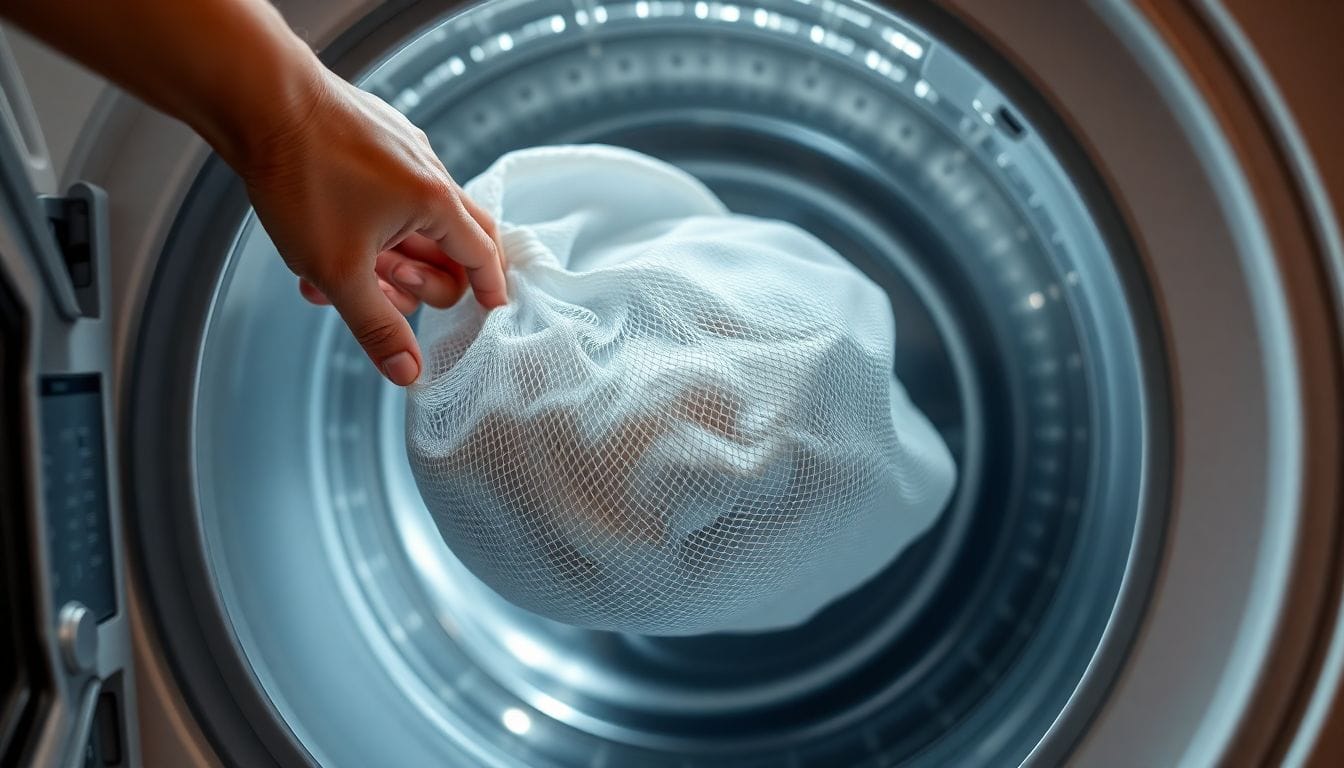
- Place in a mesh laundry bag with 10mm (0.4 inch) or smaller mesh openings. The bag creates a secondary barrier between the garment and the drum, catching the item if it tries to tumble freely. Never overload the bag — the fleece needs room for water and detergent to circulate through it.
- Select cold water (30°C / 85°F maximum), the gentle or delicate cycle, and the slowest spin speed available. Higher spin speeds generate more centrifugal force and increase inter-fiber friction inside the bag.
- Add 1–2 tablespoons of mild liquid detergent. Powder detergents contain abrasive micro-particles designed to scour surfaces — they are too aggressive for the loose fiber ends on fleece and will accelerate pilling. Enzyme detergents are formulated for protein-based stains (blood, sweat, grass) and are unnecessary for routine fleece care; skip them for general washing.
- Remove the garment immediately after the wash cycle ends. Leaving wet fleece balled up in the bag — even for 30 minutes — creates conditions for mildew odor and permanent crease lines where the fabric is folded under its own weight.
- Reshape the garment gently while still damp. Lay flat on a clean towel and allow 2–4 hours at room temperature to fully dry, depending on fabric thickness. For fleece jackets, transfer to a padded hanger after reshaping to preserve the shoulder structure.
Air Drying Flat Preserves the Fleece Nap and Eliminates Heat Damage Risk
Tumble drying fleece on high heat is one of the fastest ways to permanently damage the fabric. The dryer lint filter traps melted and broken fiber fragments that have been shed during the cycle — these fragments are the visible evidence of thermal damage to the polyester. Over multiple high-heat cycles, the fiber surface progressively roughens and thins, making the fabric more prone to tearing and pill formation. Low heat tumble dry is marginally acceptable only for very thick, densely woven polar fleece, and only if you accept some degree of incremental fiber damage.
The superior method is flat air drying on a clean, dry towel. This process takes 2–4 hours depending on the garment’s thickness and the ambient humidity, but it preserves the fleece nap completely and eliminates all risk of heat damage or static buildup from the dryer environment. For best results, place the garment on the towel in its intended shape — if you dry a jacket with the sides pulled inward, it will dry in a narrower shape than intended.
For fleece jackets specifically, after an initial 30–60 minutes of flat drying when the garment is still very damp, you can transfer it to a padded hanger. The hanger preserves shoulder structure and allows the underarm areas to receive airflow for complete drying. Do not hang a soaking wet fleece jacket — the weight of the water stretches the knit structure and creates permanent distortions in the shoulder and sleeve areas that cannot be reshaped. Do not hang fleece near a heat source or in direct sunlight, as UV radiation degrades the polyester pigments and causes color fading.
Static Builds in Fleece Because Polyester Cannot Conduct Electrical Charge
Static electricity occurs when fibers lose moisture and electrons build up during friction. In polyester fleece, this is more pronounced than in natural fibers because polyester does not conduct electrical charge — there is no moisture pathway within the fiber to bleed off accumulated electrons. The triboelectric series, which ranks materials by their tendency to gain or lose electrons through contact, places polyester near the negative end, meaning it readily develops a negative charge when rubbed against other materials.
The most effective dryer-based solution is adding 2–3 clean tennis balls or wool dryer balls to the cycle set to low heat. These firm, round objects bounce around the drum and physically separate the fleece fibers during tumbling, preventing the sustained fiber-to-fiber contact that generates charge. Dryer balls are reusable and last for approximately 1,000 cycles, making them significantly more cost-effective and eco-friendly than single-use dryer sheets, which work by depositing a silicone coating on fibers — the same coating that worsens pilling.
For persistent static issues, particularly in dry winter months, maintaining indoor relative humidity above 40% is the most effective long-term strategy. At humidity levels above 40%, a thin layer of atmospheric moisture provides a conductive pathway on the fiber surface, allowing accumulated charge to dissipate naturally. A small room humidifier placed near the laundry area or bedroom closet where fleece is stored can eliminate static cling almost entirely during the dry season without any special laundry interventions.
Before wearing a freshly laundered fleece garment, discharge any residual static by touching a metal object — a doorknob, faucet, or the metal frame of a chair — with bare skin before bringing your hands near the fabric. Metal conducts charge efficiently and will absorb the built-up electrons from the garment. This simple step prevents the familiar shock when pulling on a fleece, and reduces the initial static cling that makes the garment cling to underlying layers.
Use Mild Liquid Detergent and Skip Fabric Softener to Protect Fleece Fibers
Using the correct laundry products and accessories is not optional in fleece care — it is load-bearing. The wrong detergent, the wrong accessory, or the wrong additive can compromise the fabric in a single wash cycle. The critical distinction is between mild liquid detergents (which are gentle on loose fiber ends) and powder detergents (which contain abrasive micro-particles designed to scour surfaces and accelerate pilling). Fabric softener alternatives work better for reducing static without coating fibers.
| Product Category | Recommended for Fleece | Avoid |
|---|---|---|
| Detergent | Mild liquid laundry detergent (Woolite, Persil Silk & Wool, or any fragrance-free formula) | Powder detergents (abrasive micro-particles), enzyme detergents (designed for protein stains), bleach-based detergents |
| Fabric Softener | None — skip entirely | Liquid softener, dryer sheets, and any product containing silicone or cationic surfactants |
| Laundry Bag | Mesh bag with 10mm or smaller mesh openings; front-load compatible | No bag (direct drum contact causes pilling); oversized bags where fleece tumbles freely |
| Dryer Accessories | Clean tennis balls or wool dryer balls (low heat only) | High heat dryer settings; dryer sheets; overloading the dryer |
| Stain Treatment | Rubbing alcohol (isopropyl), mild dish soap applied directly and rinsed immediately with cold water | Acetone, nail polish remover (can dissolve polyester finish), chlorine bleach, oxygen bleach left on for more than 5 minutes |
For stain treatment on fleece, the critical variable is speed. Apply your chosen treatment (a drop of mild dish soap or a small amount of rubbing alcohol on a clean white cloth) directly to the stain, gently blot from the outside of the stain inward to prevent spreading, and rinse with cold water within 30 seconds. Any treatment left on the fabric longer than a minute risks leaving its own residue or ring. Pat dry with a clean cloth — do not rub. If the stain persists after this treatment, it is better to launder the whole garment correctly and re-assess than to repeat aggressive spot treatment on one area, which can create a faded spot visible after washing.
Pilling Is Caused by Agitation and Prevented by Reducing Fiber-to-Fiber Friction
Pilling is the formation of small, rough fiber balls on the surface of a fabric. In fleece, it occurs when the loose fiber ends created during the brushing process tangle together during agitation. Pilling is not a sign of poor quality — even premium performance fleece pills if subjected to the wrong wash conditions. The difference between a garment that pills after 10 washes and one that pills after 50 washes is almost entirely determined by how it is laundered.
Pills concentrate in the areas of highest friction during wear and washing: the underarm area (where arm movement creates constant rubbing), the cuffs and hem (contact with other garments during the wash cycle), and the chest (especially on pullovers). These areas experience 3–5 times more surface friction than the back or sides of a garment during a standard wash cycle. If you notice pills developing primarily in the underarm, this is normal and simply reflects the mechanics of how fleece is worn and washed.
To remove existing pills, use a fabric shaver or sweater comb set to its lowest setting. The garment must be completely dry before you attempt to remove pills — shaving a damp garment stretches the fibers and creates thin, weak spots where the fabric can tear. A fabric shaver works by cutting the tangled fiber ends at the base of the pill, while a sweater comb (a flat board with a fine metal comb teeth on one side) catches and pulls the pills through the fabric surface. Both tools are equally effective; the choice is personal preference. Do not use a razor, scissors, or any sharp implement improvised for pilling removal — these create uneven cuts that accelerate thin-spot formation and produce a visibly damaged appearance.
Prevention is the only genuinely effective long-term strategy for pilling. Every step in the machine-washing protocol — inside-out orientation, mesh bag, cold water, mild detergent, slow spin — contributes to pilling prevention by reducing the conditions that cause loose fiber ends to tangle. No pilling removal tool can restore a garment to its original condition; all it can do is remove the visible symptoms while the underlying fiber damage accumulates. If you own a fleece garment you want to keep in pristine condition for more than two to three seasons, hand washing is the only washing method that reliably prevents pilling entirely.
Frequently Asked Questions About Fleece Care
Can you machine wash fleece jacket?
Yes — fleece jackets can be machine washed if you turn them inside out, use a mesh bag, select cold water and a gentle cycle, and skip fabric softener. Air drying flat is recommended over tumble drying to preserve the garment’s shape and prevent static.
Does fleece shrink when washed?
High-quality polyester fleece does not shrink in cold water — the fibers are heat-set during manufacturing. However, exposing fleece to hot water (above 40°C/104°F) or high dryer heat can cause the fibers to relax and the garment to distort in size and shape.
How do I stop fleece from pilling?
To prevent fleece pilling: always wash inside out in a mesh bag on gentle cycle with cold water, use liquid detergent (not powder), skip fabric softener entirely, and air dry flat. Once pills form, remove them with a fabric shaver once the garment is completely dry.
Why is my fleece so static?
Fleece builds static because polyester repels water and does not conduct electrical charge — electrons accumulate during friction and discharge when touching metal or another person. Reduce static by using dryer balls during tumble drying, maintaining indoor humidity above 40%, and using a light spray of water on the garment before wearing.
References
- ASTM International. (2024). ASTM D3136-20: Standard Practice for Care Labels for Textile Floor Covering and Other Textile Products (Excluding Carpets). ASTM International.
- ISO. (2023). ISO 3758:2012/Amd 1:2023 — Textiles — Care labelling code using symbols. International Organization for Standardization. https://www.iso.org/standard/78257.html
- AATCC. (2022). AATCC Technical Manual. American Association of Textile Chemists and Colorists. https://www.aatcc.org
- Patagonia. (2024). How to Care for Your Fleece. Patagonia, Inc. https://www.patagonia.com/how-to-care-for-fleece/
- Textile Exchange. (2023). Polyester Fiber: Material Insights and Care Guidelines. Textile Exchange. https://www.textileexchange.org
- Cotton Inc. (2024). Fiber Care Database: Synthetic Fabric Care Standards. Cotton Incorporated. https://www.cottonworks.com
- The North Face. (2024). fleece Care Instructions. VF Corporation. https://www.thenorthface.com/en-us/help/product-care.html


