
How to Stretch A Bathing Suit

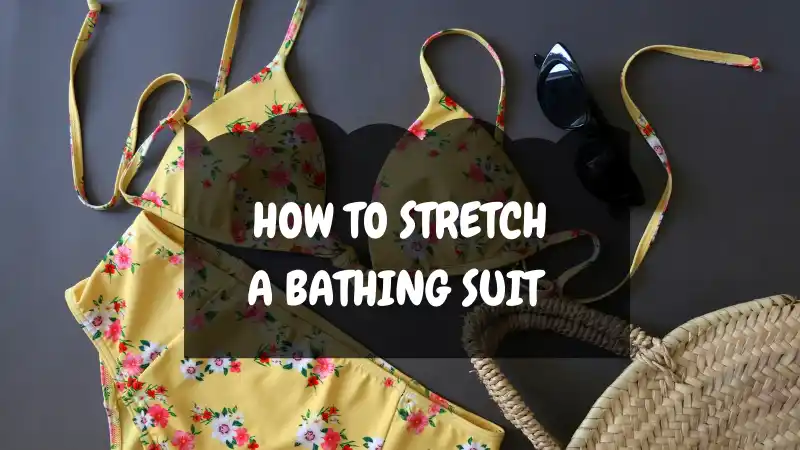
You can stretch a bathing suit yourself using water and gentle pulling. Simply rinse the suit in warm water (30–40°C or 86–104°F), then stretch it by pulling in opposite directions while it’s still damp. This relaxes the elastane fibers, allowing the fabric to expand and conform to your body shape. The process is straightforward and works for most swimwear fabrics including polyester/elastane and nylon/elastane blends.
Three proven methods exist for safely expanding swimwear without damaging the material: the rinse-and-pull method, the machine-washing method, and the wear-and-body-heat method. Each uses a different mechanism to relax the elastane fibers, and the best choice depends on your fabric type and how quickly you need results.
Below, you will find detailed instructions for each technique along with the fabric science explaining why they work, plus a comparison of all three methods at a glance.
Stretching Methods at a Glance
| Method | Best For | Time to Results | Water Temp | Key Tip |
|---|---|---|---|---|
| Rinse and Pull | Specific tight areas (bust, waist, leg openings) | 2–3 days of repeated stretching | 30–40°C (86–104°F) | Hold each stretch 30–60 seconds |
| Machine Washing | Tight fit throughout the suit | 3–8 wash cycles | 40°C (104°F) max | Use a mesh laundry bag; air dry only |
| Wear and Body Heat | Most natural, even stretch | 3–5 wears (2–3 hours each) | N/A (body heat ~37°C) | Swimming is ideal; even distribution |
What is a Bathing Suit Made Out Of?
Before you attempt to stretch a one-piece bathing suit, you need to understand what the suit is made from. Most modern bathing suits use synthetic fiber blends designed for durability, chlorine resistance, and stretch recovery. Knowing the fabric composition helps you choose the right stretching method without damaging the material.
Polyester/Elastane Blend
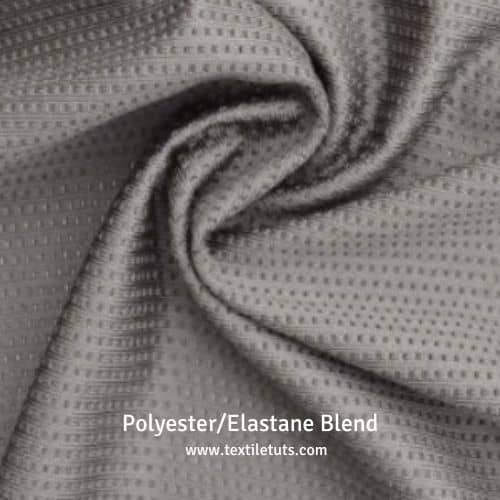
Polyester/elastane blends typically contain 80–90% polyester and 10–20% elastane (also known as spandex or Lycra). Polyester provides excellent chlorine resistance, with studies showing polyester fabrics retain colorfastness after 200+ hours of chlorinated water exposure compared to 40–60 hours for nylon blends. The elastane component provides the form-fitting stretch that allows the suit to recover its original shape after being stretched.
Elastane is essential for the elasticity that bathing suits must offer. Without it, swimwear would lose its shape after each wear. The fiber can stretch to 500–700% of its original length and rebound reliably when released.
Nylon/Elastane Blend
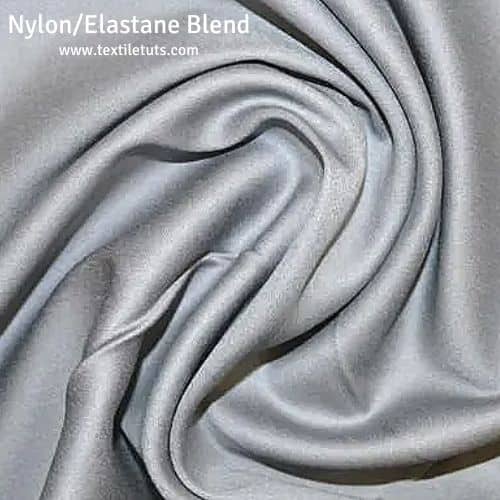
Nylon/elastane blends typically contain 80–90% nylon and 10–20% elastane. Nylon dries more quickly than common organic fibers and offers superior abrasion resistance. However, nylon is more susceptible to degradation from chlorine exposure compared to polyester. Nylon/elastane suits typically last 2–3 swimming seasons with regular use, while polyester/elastane suits often last 4–6 seasons in chlorinated pools.
Elastane properties are required for the stretch and recovery that bathing suits provide. Without it, you cannot stretch out a one-piece nylon bathing suit to fit your body properly.
Properties of Bathing Suit Materials
Bathing suits share several key performance properties regardless of their base fiber. They are comfortable and soft against the skin, with low thermal conductivity that prevents them from feeling cold when wet.
Modern bathing suits resist shrinkage effectively due to the heat-set finishing process used during manufacturing. This means they remain true to their original dimensions throughout their lifespan when cared for properly. They are also highly durable, withstanding hundreds of wear-wash cycles before showing significant signs of degradation.
Methods for Stretching a New Bathing Suit
If you have purchased a new bathing suit that is slightly smaller than ideal, you can stretch it safely. The following three methods are proven to expand swimwear fabric without causing permanent damage. Choose the method that best matches your fabric type and available resources.
Rinse and Pull Method
The rinse and pull method works for both bathing suit tops and bottoms. This technique uses warm water (approximately 30–40°C or 86–104°F) to relax the elastane fibers before stretching.
- Step 1: Submerge the bathing suit in warm water for 15–20 minutes to allow the fibers to absorb water and become more pliable.
- Step 2: Remove the suit from the water and gently wring out excess moisture.
- Step 3: Stretch the fabric in opposite directions, holding each stretch for 30–60 seconds. Focus on the areas that feel tightest—whether the bust, waist, or leg openings. Avoid wringing or twisting the fabric, as this can distort the fibers permanently.
- Step 4: Rinse the suit in cool water to set the new shape, then lay flat to dry. Repeat every 2–3 days until the desired fit is achieved.
Machine Washing Method
Machine washing accelerates the natural relaxation of swimwear fibers. Each wash cycle causes the elastane and polyester/nylon fibers to gradually relax and expand. This method is particularly effective for suits that feel tight throughout rather than in specific areas.
- Wash on a gentle cycle using warm water at 40°C (104°F) maximum.
- Use a mesh laundry bag to protect the suit from mechanical agitation that could cause pilling or fiber breakage.
- Air dry only—heat from a dryer will degrade elastane fibers and cause shrinkage.
- Expect results after 3–8 wash cycles; most swimwear fabrics reach their maximum relaxed state by the fifth cycle.
Wear and Body Heat Method
The most effective long-term method for stretching a bathing suit is wearing it. The combination of body heat (approximately 37°C or 98.6°F at the skin surface) and movement causes the elastane fibers to gradually relax and conform to your body shape.
- Wear the suit for 2–3 hours at a time during light activities. Swimming is ideal because the repetitive motion and water temperature create consistent stretch conditions.
- Body warmth penetrates the fabric uniformly, unlike localized hand-stretching methods, producing the most even result.
- For the waist specifically, allow the suit to fully absorb your body warmth for 3–5 wears before expecting significant relaxation.
Bathing Suits Compared to General Swimwear
People often confuse bathing suits with swimwear. While the terms overlap, they refer to distinct garment categories with different performance characteristics and design intentions. Understanding these differences helps you select the appropriate apparel for your needs and properly care for each type.
Competitive Swimwear vs Casual Apparel
Bathing suits are designed for serious, consistent swimming sessions. Competitive and fitness-focused bathing suits prioritize hydrodynamics and chlorine resistance above aesthetics. The fabric composition is engineered for repeated exposure to chlorinated water and intense physical activity.
Swimwear is a broader category encompassing all clothing designed for water-based activities. It includes cover-ups, beach cover-ups, and leisure garments that prioritize style and comfort over performance. You can wear swimwear on the beach during vacations or for light water recreation.
Fabric Composition Differences
Bathing suits contain elastane at concentrations of 10–20% to ensure proper compression and recovery. This is mandatory for competitive swimsuits to maintain fit during races. Most swimwear must also include elastane for the same reason, though some casual beach cover-ups do not.
Nylon-based fabrics are common in both categories. However, high-performance bathing suits increasingly use polyester blends due to polyester’s superior chlorine resistance. You can prefer either based on your intended use—choose polyester/elastane for pool swimming and nylon/elastane for ocean or casual use.
Construction Styles
Bathing suits are typically one-piece designs engineered for a secure, compression fit during athletic activity. This design prevents shifting and drag during strokes. Stretching a one-piece bathing suit requires working on all panels simultaneously.
Swimwear includes both one-piece and two-piece designs. Two-piece swimwear such as bikinis and tankinis offer independent fit adjustment for top and bottom. When you see swimwear with two separate pieces, it is classified as swimwear rather than a bathing suit.
Final Words
Whether you need to maximize your swimming performance or simply want to be comfortable during water activities, you must know how to stretch a bathing suit when you have purchased one that fits too tightly. Ill-fitting swimwear directly impacts your confidence and range of motion in the water.
Apply the stretching methods described in this article instead of tolerating an uncomfortable bathing suit. The rinse-and-pull method provides the fastest results, while the wear method produces the most natural-looking fit. Start with the method that matches your fabric type and repeat as needed until you achieve your desired fit.
References
- Wikipedia. (2025). Swimsuit. Wikimedia Foundation.


