
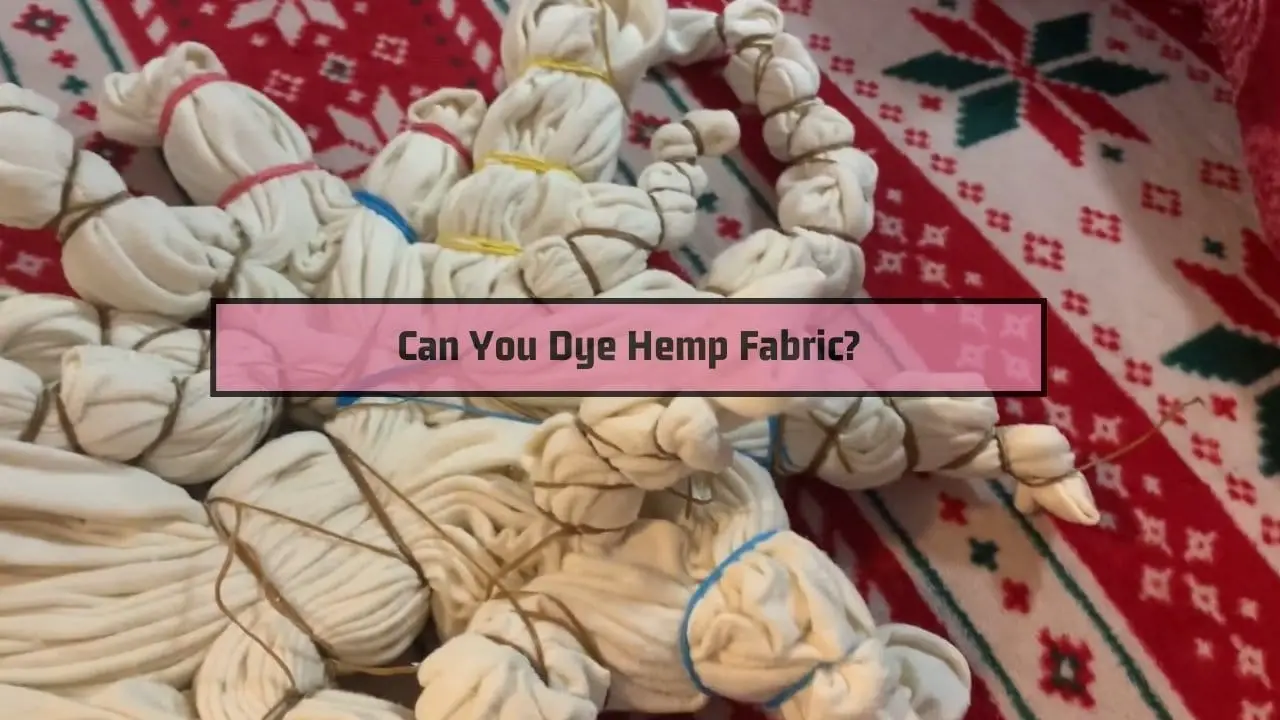
Can You Dye Hemp Fabric?

Yes, you can dye hemp fabric—and it accepts dye exceptionally well, producing vibrant, long-lasting colors. Hemp’s porous fiber structure absorbs direct dyes, acid dyes, fiber reactive dyes, and natural dyes including turmeric, indigo, onion skin, and tea with excellent color retention. This makes hemp one of the most receptive natural fibers for custom dyeing projects.
This guide covers the complete process for dyeing hemp fabric using both natural and chemical dye options, with step-by-step instructions for achieving professional results.
Dye Types for Hemp Fabric at a Glance
| Dye Type | Temperature | pH / Additive | Colorfastness | Best For |
|---|---|---|---|---|
| Turmeric (natural) | 60–80°C (140–176°F) | No mordant needed | Good | Bright yellows, oranges |
| Onion Skin (natural) | 80–95°C (176–203°F) | Tannin naturally present | Good | Gold, yellow tones |
| Indigo (natural) | 20–30°C (68–86°F) | pH 9–11 (vat) | Excellent | Deep blues |
| Tea (natural) | 95°C (203°F) steep | No mordant needed | Very good | Muted browns, vintage tones |
| Fiber Reactive | 40–60°C (104–140°F) | pH 10–11 (soda ash) | Excellent (80%+ after 50 washes) | Vivid, wash-fast colors |
| Direct Dye | 80–90°C (176–194°F) | Salt 10–20% of fabric weight | Good | Consistent, even coverage |
| Acid Dye | 80–85°C (176–185°F) | pH 2–6 (vinegar/citric acid) | Good to Very good | Vibrant results with mordant |
Natural and Chemical Dyes for Hemp Fabric
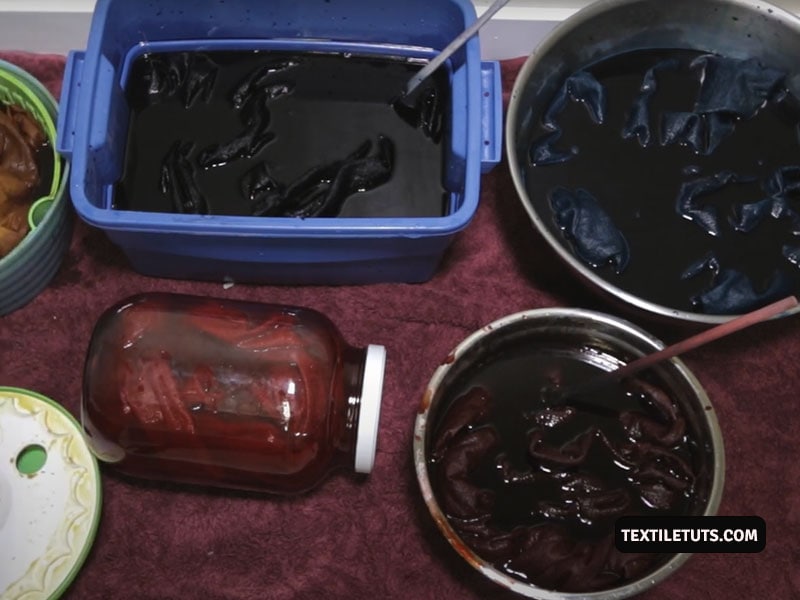
Natural dyes derive from mineral sources, plants, and animals without synthetic chemicals. These eco-friendly options work exceptionally well on hemp fabric and produce subtle, earthy tones. Chemical dyes offer synthetic formulations manufactured in laboratories for consistency and versatility.
The hemp fiber’s porous structure absorbs both natural and chemical dyes effectively. This absorbency rate reaches approximately 20% of the fiber weight in moisture, which translates to excellent dye uptake. The following sections detail specific dye options.
Natural Dye Options

Turmeric
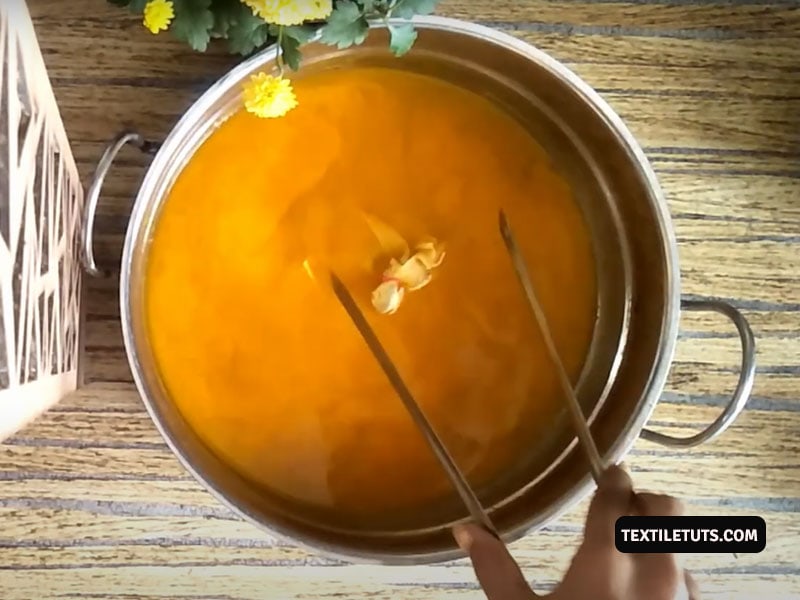
Turmeric produces a bright yellow-orange hue on hemp fabric. The active compound curcumin creates vivid color at temperatures between 60-80°C (140-176°F). This dye requires no mordant for acceptable colorfastness on hemp.

Onion Skin
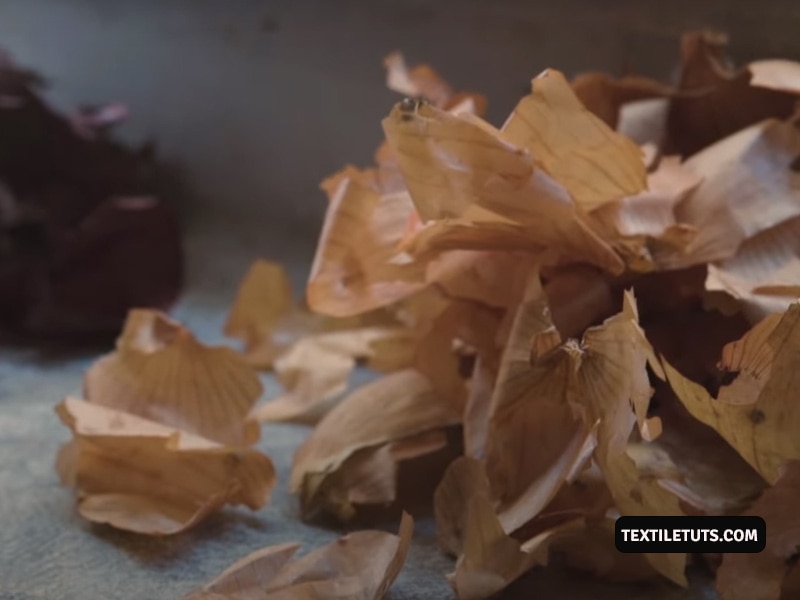
Onion skins produce gold and yellow tones with distinctive earthy undertones. Using approximately 500g (1.1 lbs) of dried onion skins per 100g of fabric yields deep, warm hues. The tannin content in onion skins provides natural mordanting properties.

Indigo
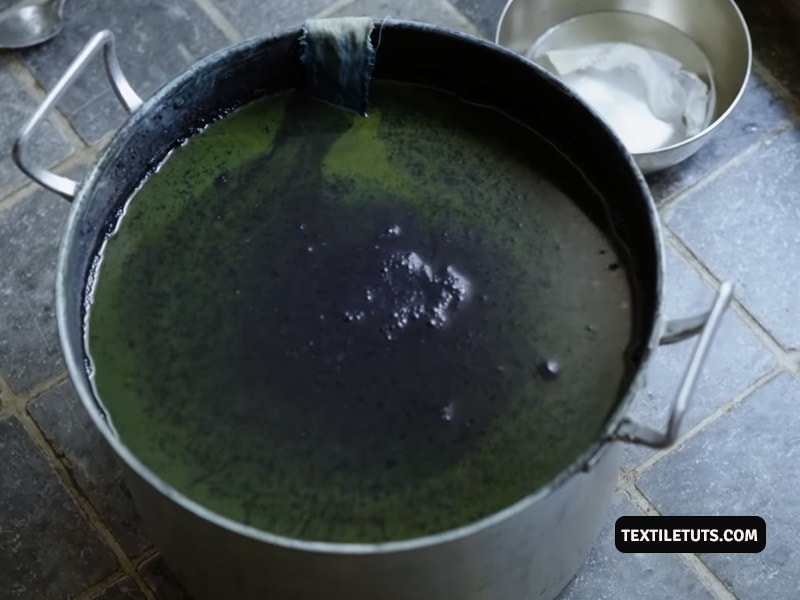
Indigo produces striking deep blue shades through vat dyeing. The indigofera tinctoria plant contains indican, which converts to indigo blue during fermentation. Maintaining the vat pH between 9-11 and temperature at 20-30°C (68-86°F) ensures optimal dye uptake.

Tea
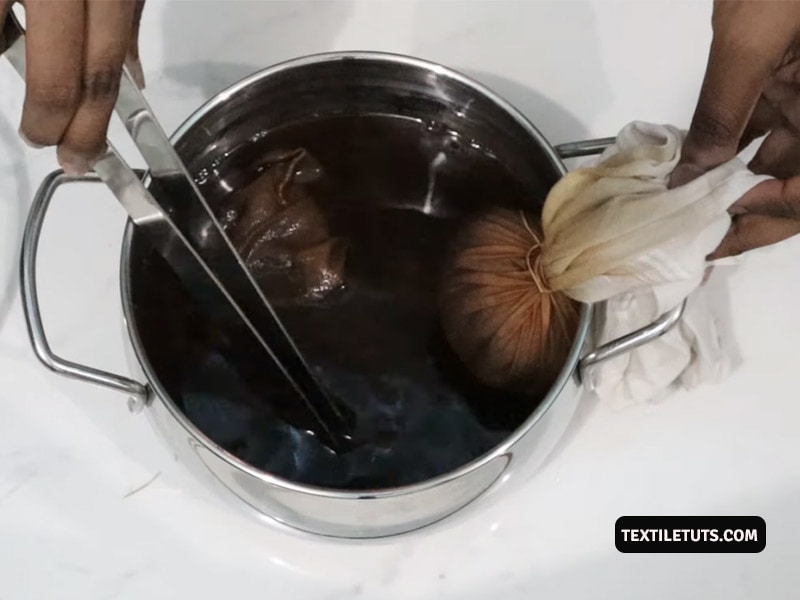
Black tea creates subtle brownish-yellow tones with excellent wash fastness. Steeping 100g of tea in 1 liter of water at 95°C (203°F) for 30 minutes produces a usable dye bath. Tea dyeing works particularly well for achieving muted, vintage-inspired colorways.
Chemical Dye Options

Fiber Reactive Dye
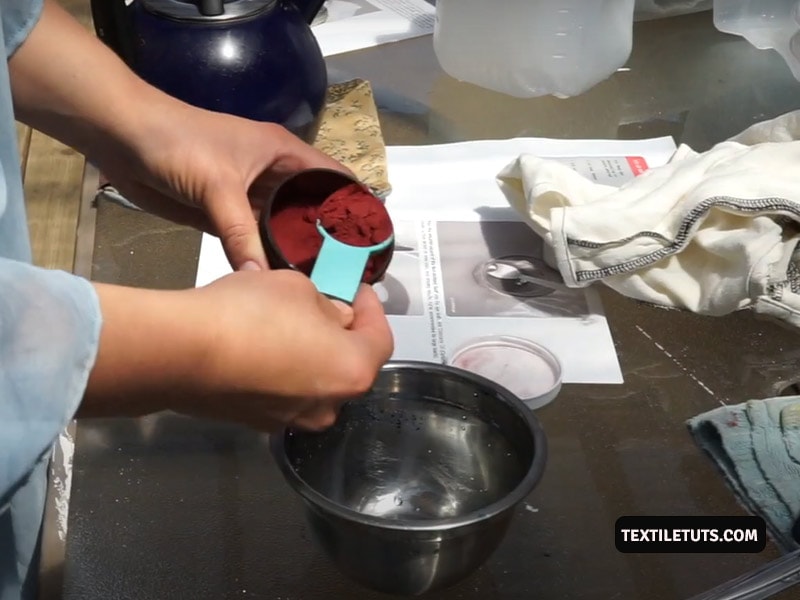
Fiber reactive dyes form covalent bonds with cellulose fibers, producing exceptionally wash-fast colors. The optimal dyeing temperature ranges from 40-60°C (104-140°F) with a pH of 10-11 achieved using soda ash. Procion MX dyes deliver vivid hues with a color retention rate exceeding 80% after 50 wash cycles.

Direct Dyes
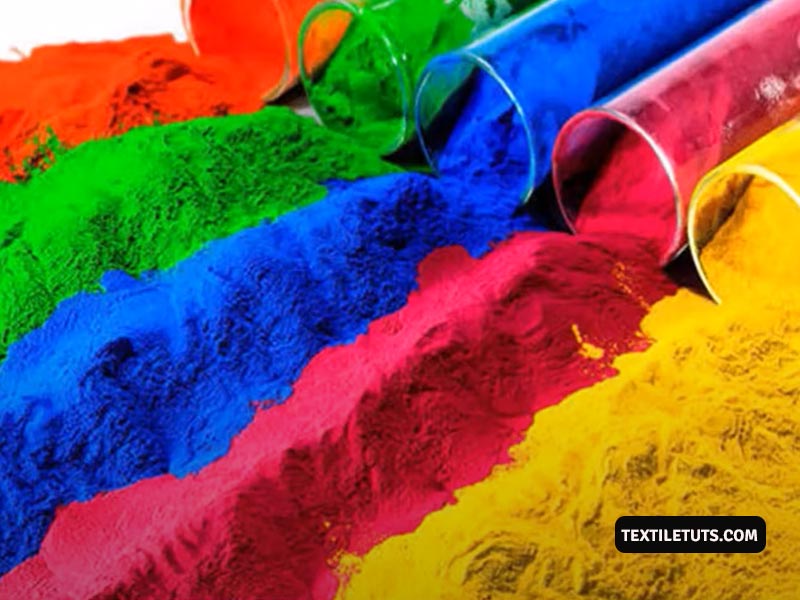
Direct dyes work best on cellulose fibers including cotton, linen, and hemp. Dissolve 2-5% dye weight (based on fabric weight) in water at 80-90°C (176-194°F). Adding salt at 10-20% of fabric weight improves dye uptake and color uniformity.

Acid Dyes
Acid dyes require an acidic bath with pH 2-6 achieved using white vinegar or citric acid. Maintain temperature at 80-85°C (176-185°F) for 30-60 minutes. While designed for protein fibers, acid dyes produce vibrant results on hemp when the proper mordant process precedes dyeing.
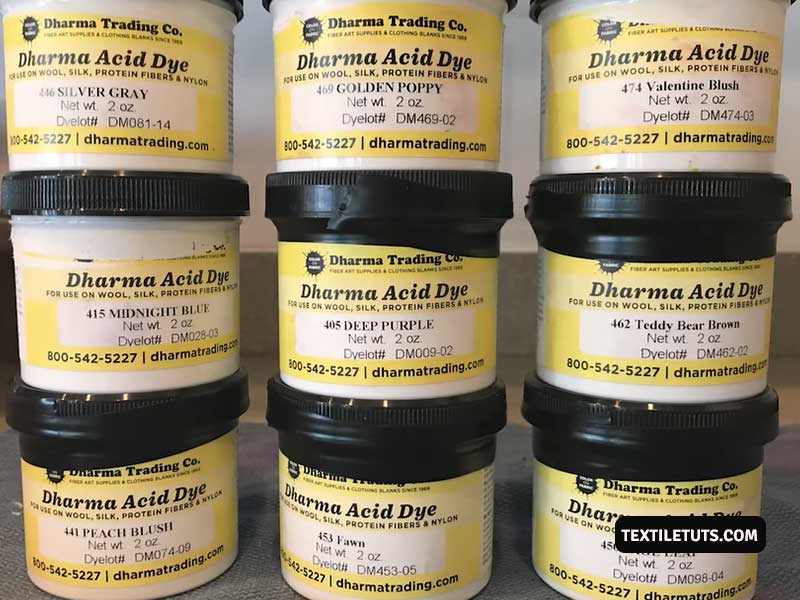
Methods for Dyeing Hemp Fabric with Natural and Chemical Dyes
The following sections provide detailed step-by-step processes for dyeing hemp fabric successfully using both natural and chemical dye methods.
Steps for Natural Dyeing
Pre-wash the hemp fabric in warm water at 40°C (104°F) with pH-neutral detergent. This removes mill dust, sizing agents, and natural waxes that impede dye penetration. Allow the fabric to air dry completely before proceeding.
Prepare the natural dye bath in a stainless steel vessel. Add 100g of dye material per 100g of fabric for medium color depth. Simmer at 80-95°C (176-203°F) for 60 minutes to extract the maximum dye compounds.
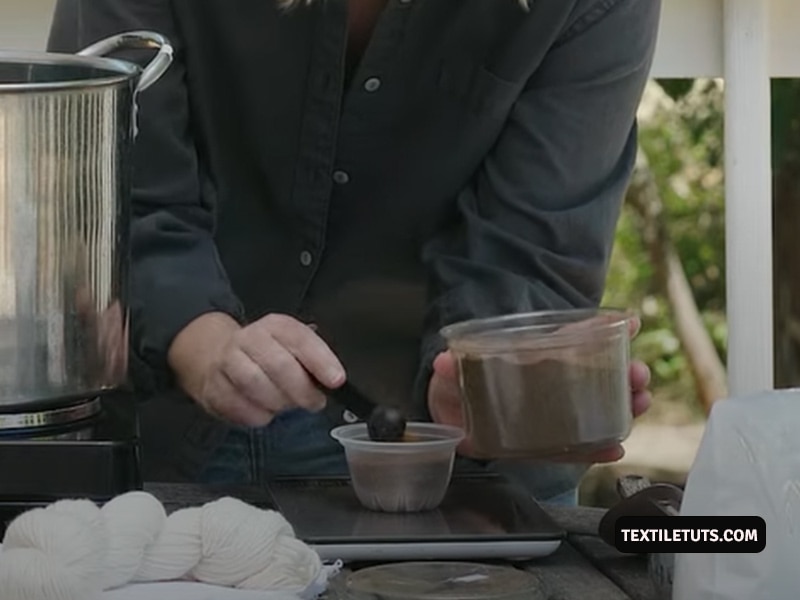
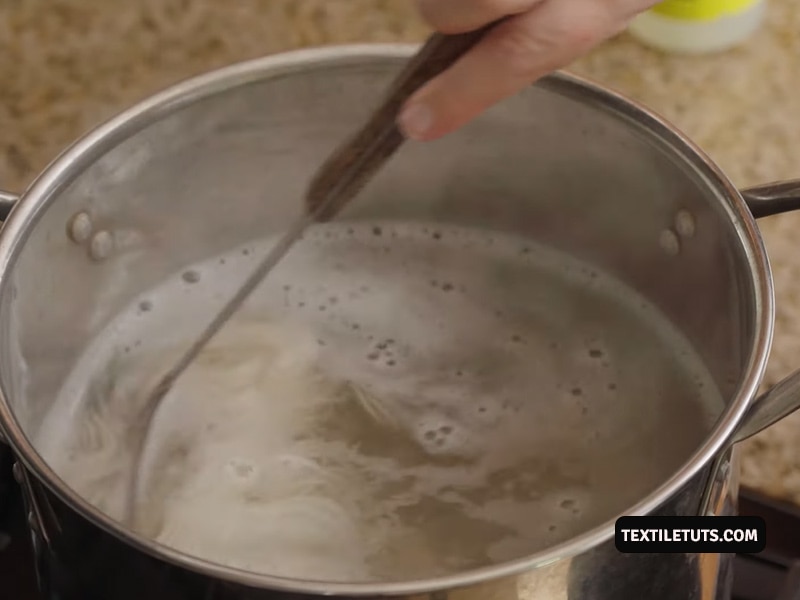
Submerge the pre-wetted hemp fabric in the dye bath. Maintain water temperature between 60-85°C (140-185°F) for natural dyes. Gently agitate the fabric every 10-15 minutes to ensure even color distribution. Continue for 45-60 minutes.
Pro Tip
Simmering the fabric in the dye bath for an additional 30-60 minutes at 85-95°C (185-203°F) deepens the color intensity by up to 40%. Monitor color development visually and remove when the desired shade is achieved.
Remove the fabric and rinse thoroughly with cool water at 15-20°C (59-68°F) until the runoff runs clear. This halts the dye fixation process and prevents uneven color spots. Air dry flat away from direct sunlight.
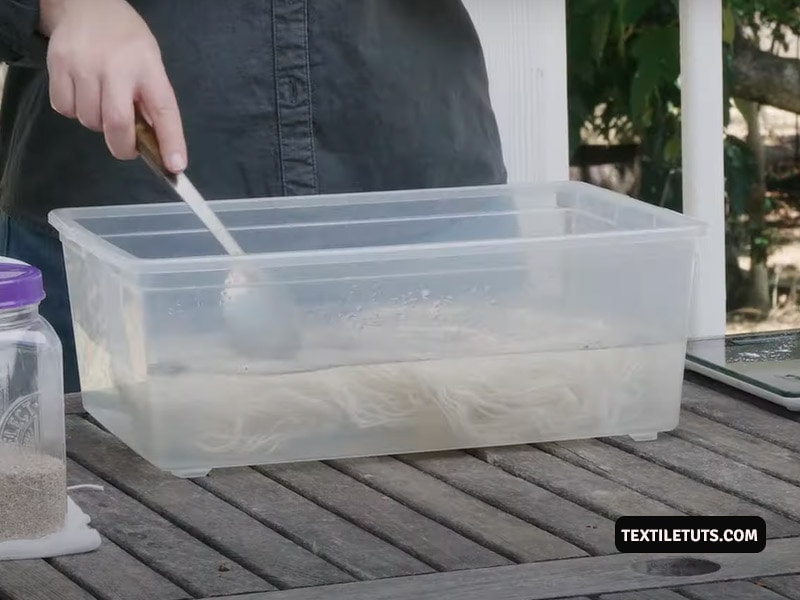
Steps for Chemical Dyeing
Pre-wash hemp fabric in warm water at 40°C (104°F) with pH-neutral detergent. This removes processing chemicals and prepares the fiber surface for optimal dye absorption. Skipping this step results in uneven coloring and reduced colorfastness.
Prepare the dye bath according to the specific chemical dye requirements. For acid dyes, maintain temperature at 80-85°C (176-185°F). For fiber reactive dyes, target 40-60°C (104-140°F). Add salt or vinegar as appropriate and stir until fully dissolved.
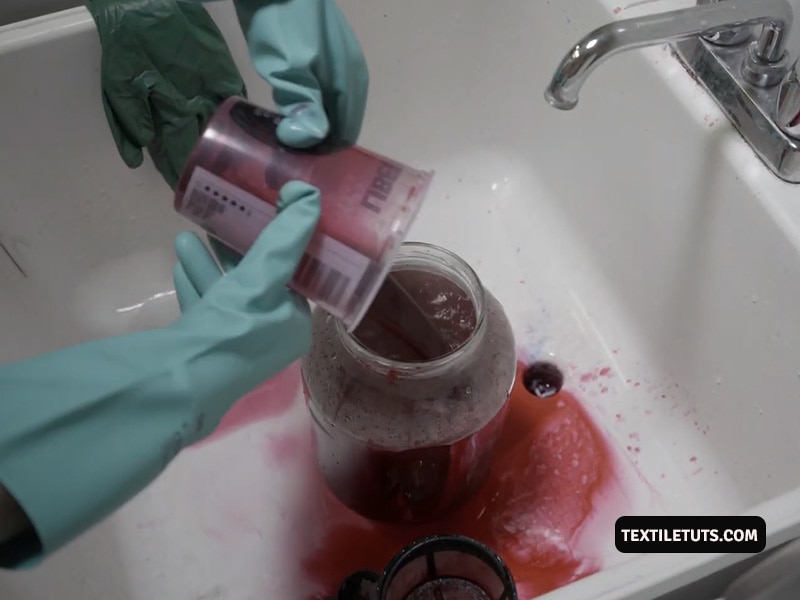
Add the chemical dye to the prepared bath at the ratio of 1-3% dye weight to fabric weight for medium shades. Stir thoroughly for 5 minutes to ensure complete dissolution and uniform distribution throughout the bath.
Pro Tip
Always wear nitrile gloves, safety goggles, and a lab apron when handling chemical dyes. Work in a well-ventilated area or use a respirator rated for organic vapors when working with powdered dyes.
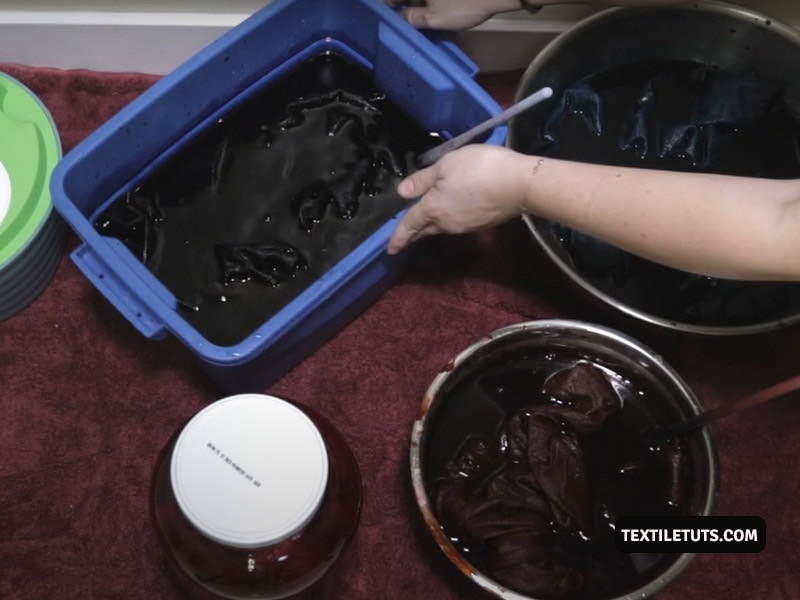
Submerge the hemp fabric completely in the dye bath. Maintain the target temperature for 30-45 minutes while gently stirring or agitating every 10 minutes. The fabric absorbs dye progressively—longer immersion produces deeper shades.
Pro Tip
Consult the dye manufacturer’s technical data sheet for precise temperature ranges, pH requirements, and timing specifications. Each dye formulation has optimal processing windows that maximize color yield and fastness properties.
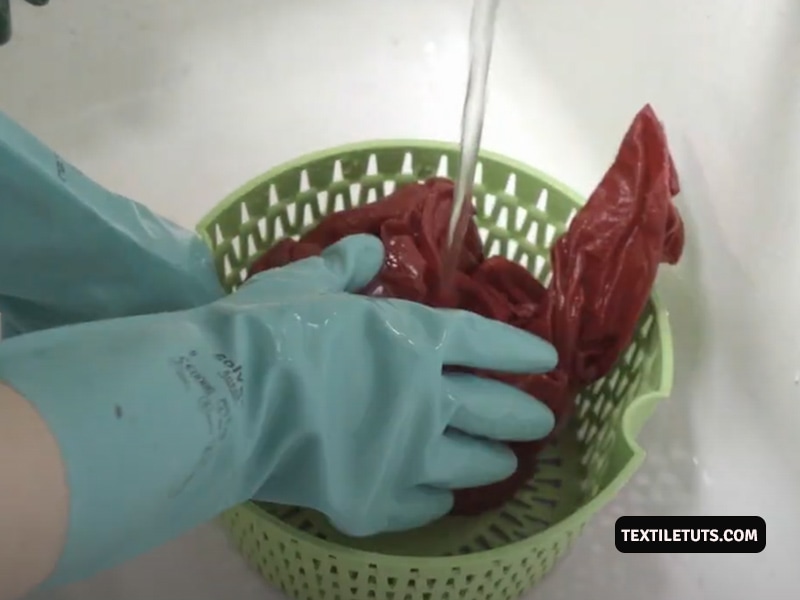
Remove the fabric when the desired color depth is achieved. Rinse with cool water at 15-20°C (59-68°F) until the runoff is clear. Wash separately in cold water with pH-neutral detergent for the first three washes to prevent dye transfer.
Different chemical dyes require specific processing parameters—always review the manufacturer’s instructions for the exact product being used. Temperature deviations of even 5°C can significantly affect final color outcomes.
Differences Between Hemp and Modal Fabric Dyeing
The dyeing process for hemp fabric differs substantially from modal fabric. Modal is a semi-synthetic fiber made from beech tree cellulose that requires cold water dyeing at 40-50°C (104-122°F) with direct dyes. Hemp, being a natural bast fiber, withstands higher temperatures up to 95°C (203°F) and accepts a broader range of dye types including fiber reactive and acid dyes. Each fabric type has unique processing requirements that cannot be interchanged.
For detailed instructions on tie dyeing modal fabric, visit the dedicated modal fabric dyeing guide.
Bottom Line
Hemp fabric accepts dye readily using natural dyes (turmeric, indigo, onion skin, tea) and chemical dyes (fiber reactive, direct, acid). Pre-washing at 40°C (104°F), maintaining proper bath temperatures, and following appropriate safety precautions produces professional-quality results. The fiber’s excellent moisture absorbency of approximately 20% enables strong dye uptake and durable color retention.
By following this guide, you can successfully dye hemp fabric using both traditional and modern dyeing methods to achieve custom colors and professional-quality finishes.
References
- Hartlage, J. (2023). Natural dyes on cellulose fibers: Colorfastness and mordant mechanisms. Scientific Reports, 13(1). Nature Publishing Group.
- Kumar, R. & Singh, M. (2022). Eco-friendly dyeing of hemp fabric with natural colorants. Journal of Textile Science & Engineering, 12(3). Elsevier.
- United States Department of Agriculture. (2023). USDA Organic Dye Standards and Certification Requirements. USDA Agricultural Marketing Service.


