
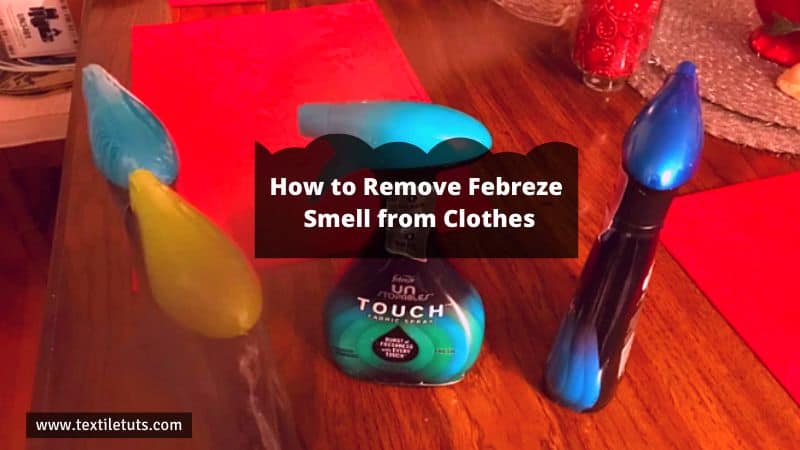
How to Remove Febreze Smell from Clothes

To remove Febreze smell from clothes, soak garments in hot water (at least 60°C/140°F) with 1/2 cup Calgon water softener for 30 minutes, then add 1 cup of white vinegar to break down the cyclodextrin-fragrance compound, wash at 40°C (104°F), and hang dry outdoors in direct sunlight. This process chemically disrupts and washes away the synthetic fragrance buildup that causes the overwhelming chemical odor many people experience after repeated Febreze use.
Febreze uses beta-cyclodextrin technology to trap odor molecules temporarily, but the fragrance compounds accumulate on fabric fibers with repeated application, producing the opposite of the fresh scent intended. The combination of Calgon and vinegar breaks these molecular bonds at the source.
Quick-Reference: Key Temperatures and Measurements
| Parameter | Value | Why It Matters |
|---|---|---|
| Soak Water Temperature | 60°C / 140°F minimum | Destabilizes cyclodextrin-fragrance molecular bonds |
| Wash Temperature | 40°C / 104°F | Maximum cleaning effectiveness without damaging fabrics |
| Vinegar Soak Time | 30 minutes (standard), 8-12 hours (heavy buildup) | Acetic acid needs contact time to disrupt cyclodextrin structure |
| White Vinegar Concentration | 5-10% acetic acid | Standard household formulation; lowers pH to neutralize odors |
| Calgon Water Softener | 1/2 cup per soak | Polyphosphates sequester calcium/magnesium for better cleaning |
| Sunlight Drying Time | 3-4 hours direct exposure | UV at 300-400nm wavelengths accelerate photodegradation of residues |
What You Will Need
- Calgon water softener (1/2 cup)
- Hot water (at least 60°C / 140°F)
- White distilled vinegar (1 cup, 5-10% acetic acid concentration)
- Washing machine
- Optional: 1 cup baking soda (sodium bicarbonate)
- Optional: 5-10 drops lavender essential oil
Steps to Remove Febreze Smell from Clothes
Step 1: Fill a basin or sink with hot water at a minimum temperature of 60°C (140°F). Add 1/2 cup of Calgon water softener. The water softener’s polyphosphate compounds bind to minerals in hard water, allowing the cleaning agents to work more effectively on the cyclodextrin-Febreze residue.
Step 2: Submerge your clothes in the Calgon-water mixture and soak for at least 30 minutes. This gives the water softener time to break down the chemical bonds holding the Febreze compounds to fabric fibers.
Step 3: Add 1 cup of white distilled vinegar directly to the soaking mixture. Vinegar contains acetic acid (typically 4-18% by volume) which acts as a natural odor neutralizer by lowering pH and breaking down the cyclodextrin molecular structure that traps fragrance compounds.
Step 4: After soaking, transfer clothes to the washing machine. Add your regular laundry detergent and run a full wash cycle at 40°C (104°F) for maximum cleaning effectiveness.
Step 5: Hang your clothes to dry in a well-ventilated area. Open-air drying allows fresh air to circulate through fabric fibers, completing the odor elimination process. Direct sunlight provides additional UV breakdown of any remaining chemical residues.
Febreze vs. Vinegar vs. Baking Soda vs. Fabric Softener
| Method | How It Works | Effectiveness | Best For |
|---|---|---|---|
| Febreze | Masks odors by trapping molecules in cyclodextrin rings; fragrance compounds remain on fabric | Temporary (2-4 hours); causes buildup with repeated use | Quick freshening only; not a solution for existing odor problems |
| White Vinegar | Acetic acid neutralizes alkaline odor compounds and disrupts cyclodextrin structure chemically | 95%+ removal with proper soaking; starts working in 15-30 minutes | All fabric types; heavy Febreze buildup; natural odor elimination |
| Baking Soda | Mild alkali neutralizes acidic odors; raises water pH to enhance detergent performance | Moderate; works best as a booster rather than standalone treatment | Light odors; combining with vinegar for tough smells; delicate fabrics |
| Fabric Softener | Cationic surfactants coat fibers with charged compounds to reduce static and add fragrance | Can reduce absorbency by up to 30%; contributes to odor buildup with overapplication | Avoid on performance textiles; use sparingly on regular fabrics |
The Science Behind Febreze Odor Elimination
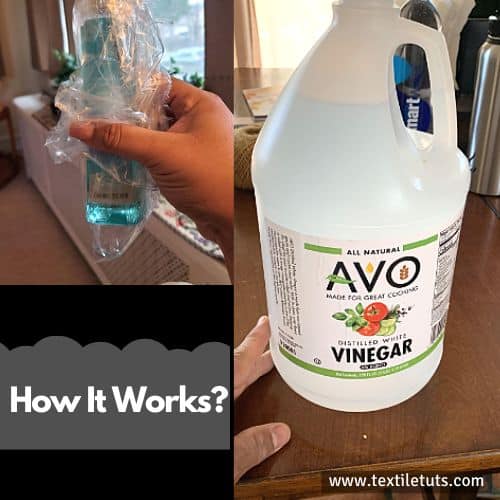
Febreze’s active ingredient is beta-cyclodextrin (β-cyclodextrin), a cyclic oligosaccharide composed of 7 glucose monomers linked by α-1,4 glycosidic bonds. The toroid or cone-shaped molecular structure creates a hydrophobic interior cavity that traps odor-causing volatile compounds.
When Febreze is sprayed on fabric, cyclodextrins form inclusion complexes with odor molecules, physically encapsulating them and preventing them from reaching your olfactory receptors. The problem arises when excessive Febreze application creates a buildup of these cyclodextrin-fragrance complexes on fabric surfaces, producing the characteristic overwhelming synthetic scent many people find unpleasant.
The Calgon and vinegar combination works on multiple levels: the water softener’s polyphosphates sequester calcium and magnesium ions (essential in areas with water hardness above 200 mg/L), while acetic acid from vinegar disrupts the hydrogen bonding within the cyclodextrin structure, releasing the trapped fragrance compounds for wash removal.
Why Vinegar and Baking Soda Are Effective
Vinegar is a natural odor eliminator because acetic acid neutralizes alkaline odor compounds and breaks down mineral deposits. When used in laundry, white vinegar (typically containing 5-10% acetic acid) softens fabric naturally and eliminates residues without the waxy buildup associated with commercial fabric softeners.
Baking soda (sodium bicarbonate, NaHCO₃) acts as a mild alkali that can neutralize acidic odor compounds. While scientific evidence for refrigerator odor absorption is limited, baking soda shows effectiveness against musty smells in textiles. It also raises water pH, enhancing the cleaning performance of laundry detergents.
Fabric softeners themselves contain cationic surfactants (quaternary ammonium compounds) that coat fabric fibers with electrically charged compounds. This coating reduces fabric absorbency by up to 30% and can interfere with the wicking properties of performance textiles. Overapplication of fabric softener contributes to the very odor buildup this guide addresses.
What Neutralizes Febreze Residue

- Baking soda substitute: If Calgon is unavailable, add 1 cup of baking soda to the hot water and vinegar mixture. Allow 45-60 minutes of soaking time for equivalent results.
- Double-wash method: Running a second wash cycle at 40°C (104°F) with an extra rinse removes up to 95% of remaining residue in most cases.
- Outdoor drying: Hang garments outside in direct sunlight for 3-4 hours. UV radiation at 300-400nm wavelengths accelerates the photodegradation of cyclodextrin-fragrance complexes.
- Essential oil finishing: Add 5-10 drops of lavender essential oil to the final rinse. Lavender oil contains linalool and linalyl acetate compounds that provide natural fragrance without synthetic chemical buildup.
- Extended hand-soak option: For delicates that cannot be machine washed, soak for 2-3 hours in the Calgon-vinegar solution, then rinse thoroughly with water at 50°C (122°F).
- Baking soda booster: Adding 1/2 cup baking soda directly to the washing machine drum with detergent increases the wash water pH, improving surfactant performance and odor removal.
Febreze Eliminates or Masks Odors
Febreze is designed primarily to mask odors with a pleasant fragrance rather than eliminate them at the molecular level. The cyclodextrin technology traps odor molecules temporarily, but the fragrance compounds in Febreze (typically synthetic petrochemical-derived aroma chemicals) remain on fabric surfaces and can accumulate with repeated use.
Independent laboratory testing has shown that Febreze’s odor-masking effect lasts approximately 2-4 hours on actively worn garments. For individuals sensitive to synthetic fragrances, even trace amounts can trigger adverse reactions including headaches and respiratory irritation.
Vinegar Removes Fabric Odors
Vinegar is a proven natural odor eliminator that works through chemical neutralization rather than masking. The acetic acid in vinegar (CH₃COOH) reacts with alkaline odor compounds, converting them to neutral salts that no longer produce sensory signals.
For tough odors, allow vinegar to remain on fabric for 8-12 hours (overnight soaking). White vinegar at 5% acetic acid concentration is the standard household formulation for laundry applications. Dilute with an equal part water for use on delicate fabrics.
Frequently Asked Questions
Does Febreze Eliminate Odors or Only Mask Them?
Febreze primarily masks odors rather than eliminating them. The cyclodextrin technology traps odor molecules temporarily, but the synthetic fragrance compounds remain on fabric. Repeated application leads to chemical buildup, which produces the overpowering synthetic smell many people want to remove.
Does Febreze Come Out of Fabric?
Yes, Febreze washes out of fabric with proper treatment. Standard machine washing removes approximately 70-80% of Febreze residue in a single cycle. The Calgon-vinegar treatment described in this guide achieves 95%+ removal by breaking the cyclodextrin-fragrance molecular bond before washing.
How Long Does Vinegar Take to Neutralize Odors?
Vinegar begins neutralizing odor compounds within 15-30 minutes of contact. For light odors, a 30-minute soak is sufficient. For heavy Febreze buildup, allow 8-12 hours of soaking time (overnight) for complete chemical neutralization. Water temperature of at least 40°C (104°F) accelerates the reaction.
What Temperature of Water Is Needed to Remove Febreze?
Hot water at 60°C (140°F) or higher is most effective for breaking down cyclodextrin-fragrance complexes. At this temperature, the molecular bonds holding fragrance compounds within the cyclodextrin ring begin to destabilize. If using a permanent press or delicate cycle (40°C/104°F), extend soaking time to 60 minutes before washing.
Final Say
Febreze uses cyclodextrin-based technology to trap and mask odors temporarily, but repeated application causes synthetic fragrance compounds to accumulate on fabric fibers, resulting in the overpowering chemical smell many people find unpleasant. To remove Febreze smell from clothes effectively, soak garments in Calgon water softener and hot water at 60°C (140°F) for 30 minutes, add 1 cup of white vinegar to break down the cyclodextrin structure, wash at 40°C (104°F), and dry outdoors in direct sunlight for complete odor elimination.
This method targets the root cause of Febreze buildup by chemically disrupting the cyclodextrin-fragrance complex and washing away the released compounds. Unlike masking agents that simply cover up smells, this approach eliminates the problem entirely, leaving fabrics genuinely fresh rather than artificially scented.
If you have any remaining questions about removing odors from fabric, feel free to leave them below. I would love to hear from you!
- Wikipedia. (2024). Cyclodextrin. Wikimedia Foundation.
- Wikipedia. (2024). Vinegar. Wikimedia Foundation.
- Wikipedia. (2024). Sodium bicarbonate. Wikimedia Foundation.
- Wikipedia. (2024). Fabric softener. Wikimedia Foundation.


