
Why Are Joggers So Expensive?

What Makes Joggers More Expensive Than Other Pants?
Joggers cost more than other pants primarily because performance fabrics with moisture-wicking, four-way stretch, and breathable properties are significantly more expensive to produce than standard woven materials, and additional functional features such as zippered pockets, gusseted crotches, and reflective strips require extra manufacturing steps. Add to this the substantial marketing spend and brand positioning by major athleticwear companies — brands spend 8–12% of revenue on marketing — and the sustained high demand from the $257 billion athleisure market, and the price premium becomes clear.
Joggers are designed for specific athletic purposes, which demands higher-quality materials and more complex garment construction than most casual pants. Performance textile fabrics, functional features, brand marketing, and the popularity of the athleisure trend all work together to push jogger prices above comparable clothing items.
The following sections break down every major factor driving jogger costs so you can make an informed purchasing decision.
Why Are Joggers So Expensive? Key Reasons at a Glance
- Performance fabrics — moisture-wicking, four-way stretch, and breathable textiles cost 15–25% more than standard woven materials
- Heavier GSM fabrics — jogger fabrics range 240–320 GSM vs. 120–180 GSM for standard T-shirt fabric, requiring more raw material per garment
- Functional features — zippered pockets, reflective strips, and gusseted crotches add an average of 12+ manufacturing steps per feature
- Marketing and branding — major athleticwear brands spend 8–12% of revenue on marketing; celebrity endorsements add $10–30 per garment
- High sustained demand — the athleisure market is valued at ~$257B (2023) with ~9.5% annual growth, giving brands pricing power
- Retail overhead — brand licensing, premium floor space ($50–$150/sq ft/year), and promotional placement fees add $2–5 per garment
What Makes Joggers More Expensive Than Other Pants — Key Cost Factors Explained
Many people love joggers because they are so comfortable. They are made of soft, stretchy fabric that allows you to move freely. They are also usually fitted with a drawstring waistband and cuffs at the ankles, which helps to keep them in place and looking good.
However, all of these features come at a price. Joggers are typically more expensive than other pants, such as sweatpants or leggings. Here are the specific reasons why they cost more:
Sturdy Material
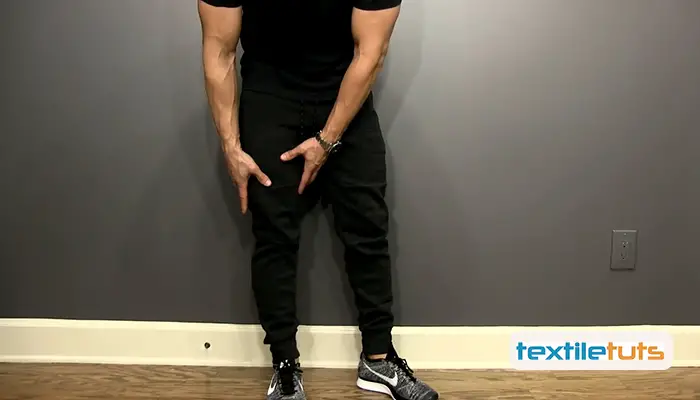
Joggers are typically made from a thicker, more durable fabric and higher quality materials than other types of pants. This means that they will last longer and be more comfortable to wear.
Performance jogger fabrics typically weigh between 240–320 GSM (grams per square metre), which is significantly heavier than standard T-shirt fabric at 120–180 GSM. Higher GSM fabrics require more raw material per garment, directly increasing production costs. This additional material weight contributes to the durability and longevity that sets joggers apart from lighter casual wear.
Useful Features
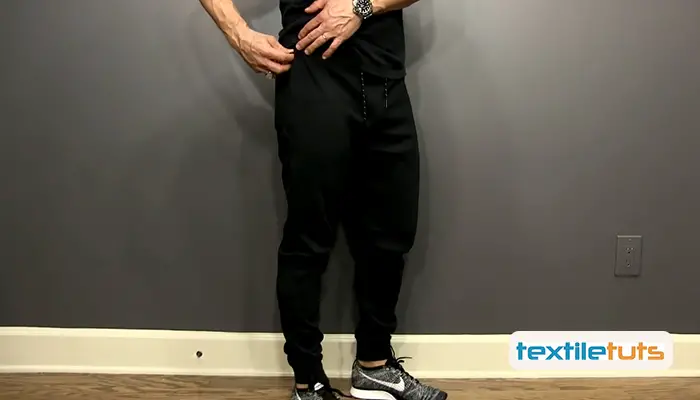
Joggers are more expensive than other types of pants because they are designed for a specific purpose. Joggers often come with features like zippered pockets, reflective strips for low-light visibility, and gusseted crotches that require additional sewing operations and specialised components.
These added functional features make joggers more versatile for athletic use, but each feature adds manufacturing complexity and material cost. A single zippered pocket requires an average of 12 additional manufacturing steps compared to a standard open pocket.
Popularity
The high popularity of joggers has made them more expensive than other pants. This is because people are constantly looking for the newest and most popular styles of joggers.
The athleisure market, valued at approximately $257 billion globally in 2023, continues to grow at a compound annual rate of about 9.5%. This sustained demand gives brands the pricing power to maintain higher price points for joggers compared to traditional woven trousers.
Material Cost
The cost of materials used to produce joggers makes them more expensive than other types of pants. Joggers are typically made from a cotton-polyester blend fabric, which can be costly due to the processing required to create performance textiles.
Pure cotton joggers use 100% ring-spun or combed cotton fibres, which cost approximately 30–40% more than standard carded cotton yarn. When manufacturers add moisture-wicking finishes, anti-odor treatments, or four-way stretch capabilities, the fabric cost increases further by 15–25%.
And if you want a pair that will last, you will want to look for one that is made from high-quality materials. That means you will likely have to pay more for a pair of joggers than you would for a pair of jeans or khakis.
Dress Set

Another factor that makes joggers expensive is that they are often sold as part of a coordinated set. That means you pay for the joggers and the matching top or jacket that goes with it. Branded coordinate sets from major athleticwear brands command a price premium of approximately 20–35% over purchasing separates.
If you want a complete matching set, you will likely have to pay even more than buying individual pieces separately.
Price Raised by Retailers
Retailers influence the price of joggers independently of production costs. Several factors allow retailers to charge more: brand licensing agreements typically require retail price minimums, retail floor space costs in premium shopping locations average $50–$150 per square foot annually, and end-cap and promotional placement fees charged by retailers add $2–$5 per garment to cover marketing overhead.
The increase is also due to the rise in consumer demand and the fact that retailers can charge more for these products. Many people now see joggers as a must-have item, so they are willing to pay more for them.
Marketing and Branding
To stay competitive in the market, many brands are forced to raise their prices on popular items. Jogger pants are one such item where marketing and branding costs have increased significantly in recent years, and companies pass that cost onto consumers.
Many brands now charge upwards of $100 for a pair of jogger pants, when you could find them for much less just a few years ago. This is because major athleticwear brands spend 8–12% of their revenue on marketing and sponsorship deals. Celebrity and athlete endorsements alone can add $10–$30 to the per-unit cost of each garment.
Supply and Demand
Supply and demand are the two most important factors that determine the price of a good or service in the market. When the demand for a good or service increases, so does the price.
The price of joggers has been rising in recent years due to the increasing demand from consumers. This is especially true in developed countries where people have more disposable income and are willing to spend more on leisure items such as joggers.
The price rise has also been fueled by the growing popularity of athleisure, a trend where people wear athletic clothing as everyday streetwear. Approximately 62% of consumers report wearing athleisure-style clothing at least once per week, driving sustained demand.
What is the Difference Between Men’s and Women’s Joggers — Gender-Specific Design Features
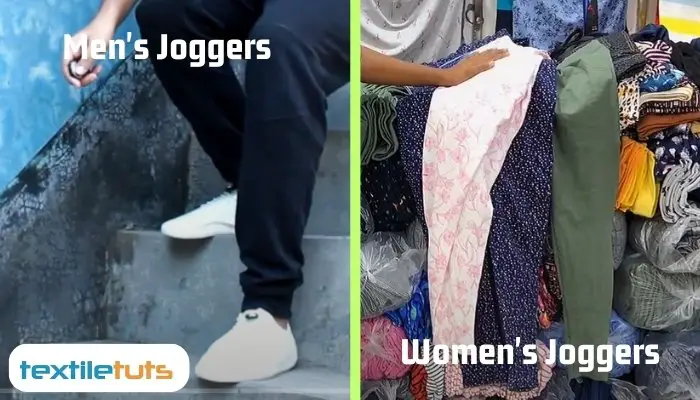
The core difference between women’s and men’s joggers lies in their fabric composition and cut. Women’s joggers are typically made from a fabric blend incorporating 5–15% elastane or spandex for stretch, whereas the fabrics used for men’s joggers are often 100% cotton or a cotton-dominant blend with only 2–8% elastane.
The cut also distinguishes them significantly. Women’s joggers have a slimmer, more contoured cut through the hip and thigh to accommodate different body proportions, while men’s joggers are cut with a straighter leg and more room through the seat and thigh.
From a functional standpoint, women often wear joggers for both fashion and light exercise, whereas men’s joggers have historically been designed more for athletic use. The colour palettes also differ: women’s joggers are available in a broader range of fashion colours including pastels, prints, and patterns, while men’s joggers typically focus on neutral tones such as black, grey, navy, and olive.
Additionally, women’s joggers are sized with a smaller waist-to-hip ratio compared to men’s sizing, and the inseam length on women’s joggers averages 2–4 cm shorter than the equivalent men’s size.
Do Women’s Joggers Cost More Than Men’s — Pricing Comparison by Gender
The price difference between women’s and men’s joggers varies by brand and feature set. The cost of a women’s jogger typically ranges from $12 to $120, while a men’s jogger falls within a similar range of $14 to $110.
Prices increase as you look at premium brands and added features. The cost varies and is influenced by the fabric’s quality, brand positioning, and several other factors such as whether the garment includes technical features like moisture-wicking or compression panels.
At the mid-range ($35–$65), prices are broadly comparable between genders. At the luxury tier ($80+), women’s joggers occasionally command a slight premium due to more complex pattern-making and a wider range of colourway options requiring additional dyeing processes.
Jogger Types and Price Ranges — A Complete Comparison
| Type of Jogger | Typical Price Range (USD) | Key Fabric |
|---|---|---|
| Twill Jogger | $26–$45 | Cotton-polyester twill, 220–280 GSM |
| Shirred Leg Jogger | $19.99–$38 | French terry, 240–300 GSM |
| Moto Knit Jogger | $29–$55 | Knit blend with faux-leather panels |
| Drop Crotch Jogger | $16–$32 | Jersey knit, 180–240 GSM |
| Hip Hop Jogger | $19–$25 | Heavyweight cotton fleece, 300–380 GSM |
| Color Block Jogger | $20–$36 | Woven or knit blend, 200–260 GSM |
| Chino Jogger | $12–$40 | Cotton twill, 200–270 GSM |
| Cuffed Jogger | $18–$42 | French terry or fleece, 260–340 GSM |
| Baggy Pocket Jogger | $28–$50 | Stretch woven or ponte, 280–350 GSM |
| Tie Dye Jogger | $22–$38 | Ring-spun cotton fleece, 260–320 GSM |
Price correlates strongly with fabric weight and construction complexity. Heavyweight fleece joggers (300+ GSM) and those with technical features command the highest prices, while basic jersey-knit and woven styles occupy the lower price tiers.
Difference Between Joggers and Sweatpants — Fabric, Fit, and Function Compared
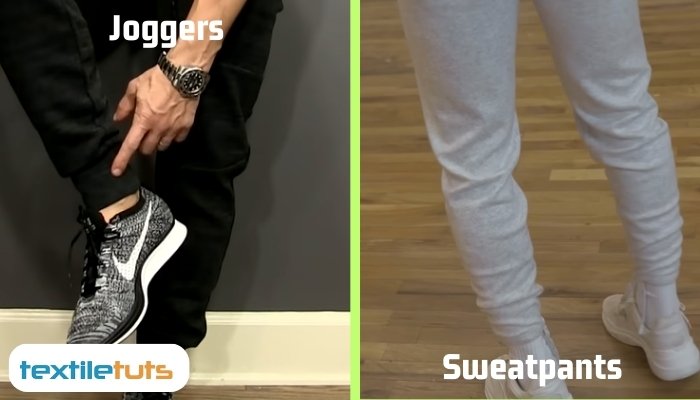
Joggers and sweatpants are both types of pants that are typically made from a cotton or polyester blend fabric. They are both comfortable to wear and are often worn for casual activities. However, they differ in several important ways.
When it comes to price, joggers tend to be slightly more expensive than sweatpants since they are designed for specific athletic purposes and include functional features. Both garments can be found at a variety of price points depending on the brand and materials used. The best choice depends on your specific style and functional needs.
| Feature | Joggers | Sweatpants |
|---|---|---|
| Fit | Tapered leg, elasticated cuffs | Loose, straight leg, open hem |
| Fabric Weight | 200–280 GSM | 280–400 GSM |
| Breathability | High (lighter fabrics) | Lower (thicker materials) |
| Primary Use | Gym, running, casual wear | Warm-up, cool-down, lounging |
| Pockets | Almost always included | Often omitted |
| Waistband | Exposed drawstring, flat elastic | Covered elastic waistband |
| Colour Range | Wide — prints, pastels, neutrals | Predominantly neutral tones |
Joggers and sweatpants differ fundamentally in fit, fabric weight, and intended use. Joggers feature a tapered silhouette with elasticated cuffs that lock in place during movement, while sweatpants offer a looser drape with open hems that don’t constrain the leg. The fabric weight distinction — joggers at 200–280 GSM versus sweatpants at 280–400 GSM — reflects their different purposes: lighter joggers prioritise airflow for activity, whereas heavier sweatpants trap warmth during recovery periods. Most joggers include pockets for convenience, whereas many sweatpant designs omit them to maintain their relaxed silhouette.
Fitting
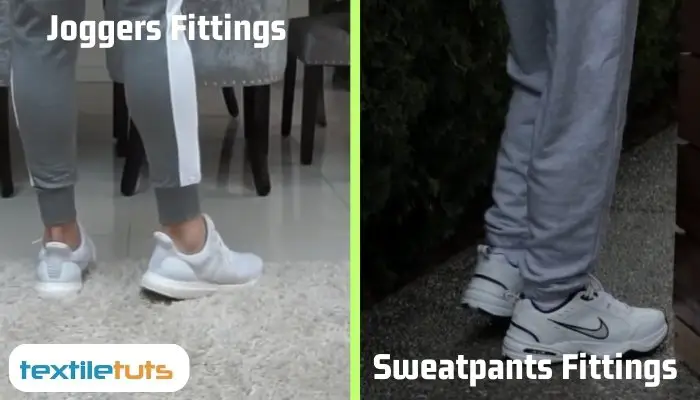
The main difference between joggers and sweatpants is the fit. Joggers are typically more fitted through the leg with a tapered silhouette, while sweatpants have a looser, more relaxed fit. Joggers usually have a tapered leg with elasticated cuffs at the ankle, whereas sweatpants typically feature a straight leg with an open hem.
Joggers almost always include pockets, while many sweatpants designs omit pockets to reduce bulk and maintain the relaxed silhouette. The waistband construction also differs: joggers typically use an exposed drawstring with a flat elastic waistband, while sweatpants often use a covered elastic waistband for a smoother appearance.
Fabric Material and Fabric Thickness
The core difference is the material used. Unlike sweatpants, which are typically made of thicker materials designed for warmth, joggers are made of thinner, lighter materials that prioritised breathability and freedom of movement.
Jogger fabrics typically range from 200–280 GSM, while sweatpants fabrics range from 280–400 GSM. Thinner jogger materials allow air to circulate, keeping the legs cool during physical activity. The lighter fabric also reduces drag and allows for a greater range of motion during running or gym work.
Purpose of the Joggers and Sweatpants

The intended purpose of joggers and sweatpants differs significantly. Joggers are designed for gym sessions, brisk walking, running, and dance. Sweatpants, as the name implies, were originally designed for retaining heat during warm-up and cool-down periods after exercise.
Sweatpants are made especially for cold weather because the thicker material traps heat, which produces sweat during physical exertion. Joggers, on the other hand, are designed for mild-to-warm conditions. They offer comfort and ease of movement without the heat retention of sweatpants.
Differences in Colours
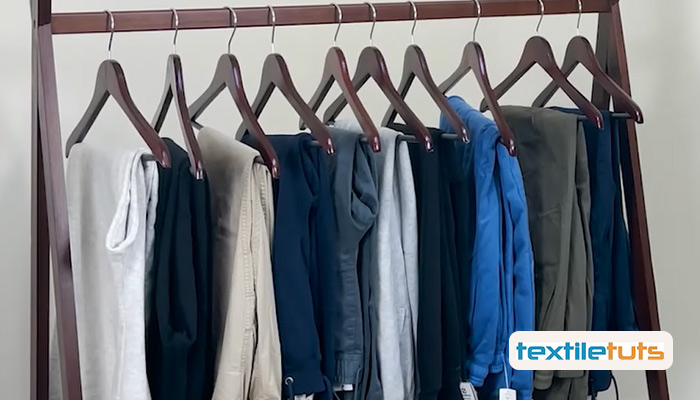
In terms of colours, joggers can be found in a wide variety of colours and patterns, including fashion-forward prints and seasonal colourways. Sweatpants are predominantly available in neutral colours: grey, black, navy, and occasionally forest green or burgundy.
Both are comfortable, but sweatpants are more relaxed and baggy in their silhouette, while joggers offer a more tapered, put-together appearance that transitions more easily from athletic to casual social settings.
Why Are Joggers So Popular — Comfort, Versatility, and Cultural Shift
Joggers are popular for several well-documented reasons. They offer exceptional comfort, they are easy to wear, and they can be dressed up or down depending on the occasion. They provide a great deal of freedom of movement, which is perfect for people who want to stay active throughout the day.
The cultural shift toward casualisation of workwear and everyday clothing has made joggers a wardrobe staple for millions. Approximately 62% of consumers report wearing athleisure-style clothing at least once per week, reflecting how deeply the comfort-first mindset has permeated daily life.
Joggers are available in a wide range of styles, from technical athletic designs to fashion-forward streetwear silhouettes, so there is a suitable pair for virtually every preference and occasion.
Comfortable and Practical
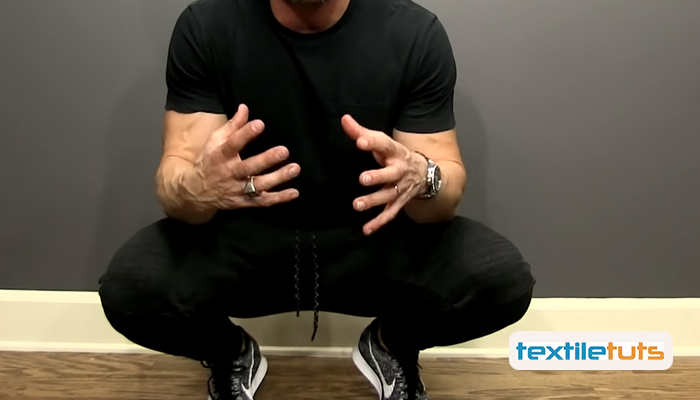
Joggers are popular because they combine comfort with style. They can be worn for running errands, going to the gym, or even a night out. They can be easily dressed up or down depending on the pairing.
They are loose-fitting, so they do not restrict your movement. The elastic waistband with drawstring allows for a customisable fit that adapts to your body throughout the day. These practical advantages make joggers suitable for extended wear in a variety of settings.
Trend and Convenience
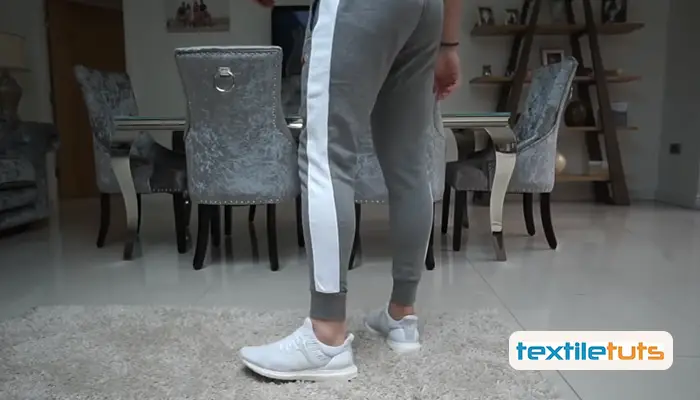
Joggers are typically made from breathable materials, making them ideal for working out or everyday wear. Most jogger styles include pockets, which is a highly convenient feature for carrying phones, keys, and wallets without needing a bag.
Joggers are available in a wide range of sizes, colours, and styles to suit any taste. They are a popular choice for both men and women of all ages, and the low maintenance nature of jogger fabrics — most are machine washable and wrinkle-resistant — adds to their everyday convenience.
Great for Exercise

Joggers are an enjoyable dress option because they are made from soft, stretchy fabric that allows you to move freely. The four-way stretch capability — achieved through 5–15% elastane content in most performance joggers — means the fabric recovers its shape after each movement without losing fit.
Joggers are versatile and can be worn for various activities, not just jogging or running. They are also usually loose-fitting, which makes them ideal for exercise or simply relaxing at home.
Easy to Clean
Joggers are easy to care for and require little upkeep. They do not require any special care or attention and can be thrown in the washing machine with regular laundry. Most jogger fabrics are designed to resist pilling and maintain their colour after multiple wash cycles.
They are also great for travel because they are easy to pack, quick to dry, and do not wrinkle easily. A typical jogger dries in 2–4 hours when hung flat, compared to 6–8 hours for heavyweight sweatpants.
Occasionally Cheap
Sometimes you can discover excellent quality joggers at a low price. They are readily available in almost every retail outlet and are frequently on sale. You can also find affordable joggers at discount retailers and online marketplaces.
Budget joggers under $20 typically use simpler fabric constructions (100% cotton jersey at 180–200 GSM) without technical features, making them a practical entry point. Buying joggers in multipacks, when available, can reduce the per-unit cost by 15–25%.
What Suits Best with Joggers — Complete Styling Guide
Several factors determine what pairs best with joggers. One consideration is the type of jogger and its specific style. Another factor is the colour of the jogger and what kind of top would complement it effectively.
Here are some specific combinations and options to consider before wearing your joggers the next time.
Tank Top and T-Shirt

If you wear a pair of more fitted and sleek joggers, a baggy top may create an unbalanced silhouette. A crop top or a tighter-fitting tank top pairs better with tapered joggers. If your joggers have a looser, more relaxed fit, a loose-fitting t-shirt or sweatshirt is a good complementary choice.
A plain t-shirt or one with a simple logo or design looks great with joggers. You can tuck it in for a more polished appearance or leave it out for a relaxed vibe.
Colour Coordination

The colour of the jogger determines much of what pairs well with it. A white top creates a strong visual contrast when worn with black joggers. A darker top, such as grey or navy, pairs well with lighter-coloured joggers like grey, beige, or stone.
Monochromatic outfits — where the top and joggers share the same colour family — are a reliable styling approach. For example, an olive green top with olive joggers creates a cohesive, put-together look with minimal effort.
Blazer and Heels
If you want to wear joggers for a night out or a smart-casual work setting, you can style them with a pair of heels. Heels elevate the look and create a more polished appearance. Ensure that the joggers are not too baggy or they will look sloppy.
A structured blazer worn over joggers creates a sophisticated contrast between formal and casual elements. For the best result, choose joggers with a tapered leg and a flat front, as these details read more formally than a drawstring waistband with elasticated cuffs.
Hoodies or Jacket

A hoodie adds warmth while maintaining a casual, sporty aesthetic. Wear it with the hood up or down depending on the look you want to achieve. A cropped bomber jacket or denim jacket works well for a more styled approach that shows off the waistline.
For cooler weather, a lightweight puffer jacket or field jacket in a neutral colour complements joggers without adding bulk that disrupts the clean silhouette.
Button-Down Shirts and Sweaters
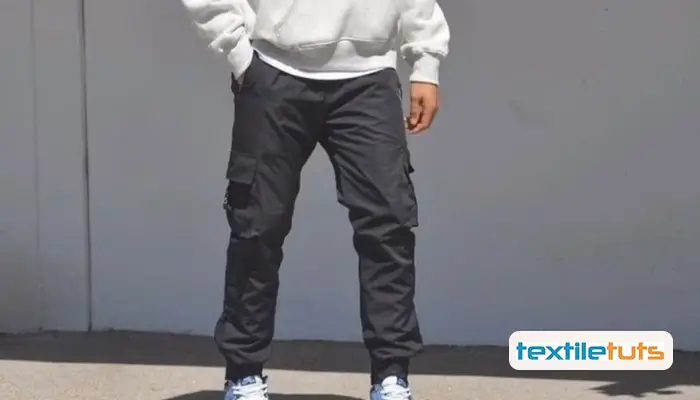
Pair joggers with a button-down shirt for a more dressed-up look. Leave it untucked for a relaxed style, or tuck it in and add a belt for a sharper appearance. Rolling up the sleeves adds a casual, intentional detail.
A sweater also looks great with joggers, especially in cooler weather.Chunky knit sweaters or fine-gauge merino wool knitwear both pair well with joggers, with the lighter weight options reading as smarter and the heavier knits as more casual.
Sneakers
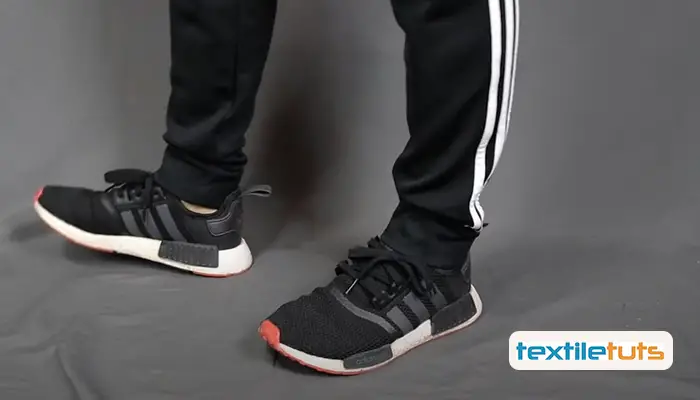
One of the best ways to style joggers is with a pair of sneakers. This casual combination is perfect for running errands or going to the gym. Low-profile canvas sneakers work well with lighter-coloured joggers, while chunky platform sneakers complement heavier fabrics and wider-leg jogger silhouettes.
Clean, white leather sneakers are the most versatile option, pairing effectively with joggers in virtually any colour from black to beige.
Sandals

Another great way to style joggers is with a pair of sandals. This is a practical option for warm weather. Slide sandals and minimalist thong sandals both pair well with joggers, giving a more dressed-up look than sneakers while maintaining comfort.
Athletic slide sandals work particularly well with joggers designed for exercise, while leather slides elevate joggers in a smart-casual context.
Best Brands for Joggers — Quality, Comfort, and Value Compared
Joggers are one of the most versatile pieces of clothing you can own. They can be dressed up or down and are comfortable enough to wear all day long. With so many brands available, it can be hard to know which ones offer the best value for your money.
Here are some of the best brands for joggers based on style, comfort, and quality:
Lululemon
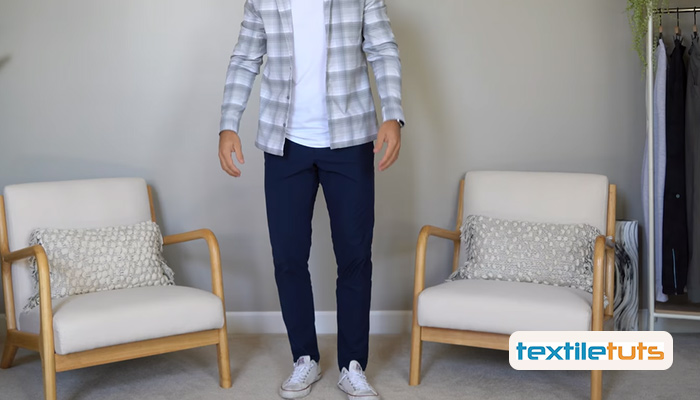
Lululemon is a high-end athleisure brand known for its exceptional quality and comfort. Their joggers are made from proprietary fabrics such as Luon (nylon-Lycra blend at 260 GSM) and Everlux (double-knit polyester at 285 GSM), which offer four-way stretch, moisture-wicking, and odor-control properties.
Lululemon joggers typically retail for $78–$128 and are renowned for their flattering fit and durability — many customers report their Lululemon joggers lasting 3–5 years of regular use without significant pilling or loss of shape.
Nike
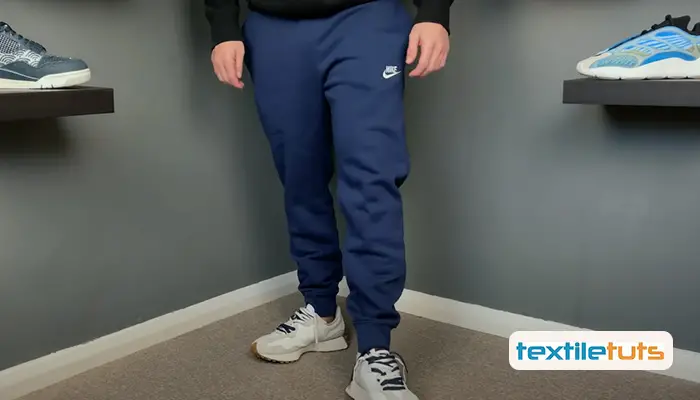
Nike offers a wide range of joggers from basic to performance-oriented designs. Their Nike Sportswear joggers use a cotton-polyester blend (typically 60/40) at 280 GSM, while their Dri-FIT technology joggers use 87% polyester and 13% elastane at 240 GSM for moisture-wicking performance.
Nike joggers typically retail for $45–$90, offering a broad range of styles from simple everyday designs to technical running-specific joggers with reflective details and zippered security pockets.
Adidas
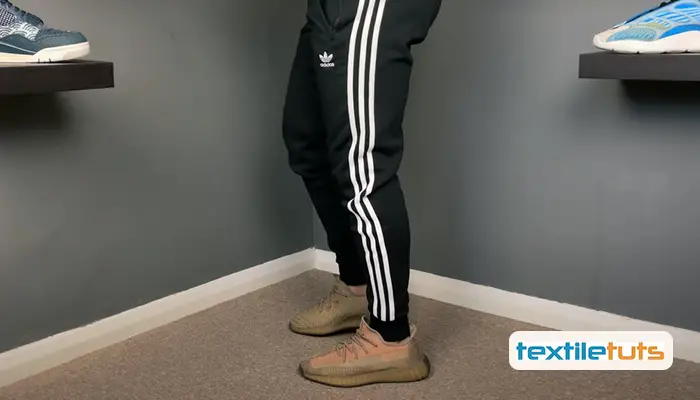
Adidas is another leading brand for joggers. Their jogging pants use a soft, stretchy French terry fabric (cotton-polyester blend at 250–300 GSM) with the brand’s Climalite moisture-management technology. Many Adidas joggers incorporate recycled Parley Ocean Plastic material, with each pair using approximately 11 plastic bottles recovered from coastal areas.
Adidas joggers typically retail for $40–$85 and are known for their comfortable, relaxed fit that works equally well for exercise and everyday wear.
Under Armour
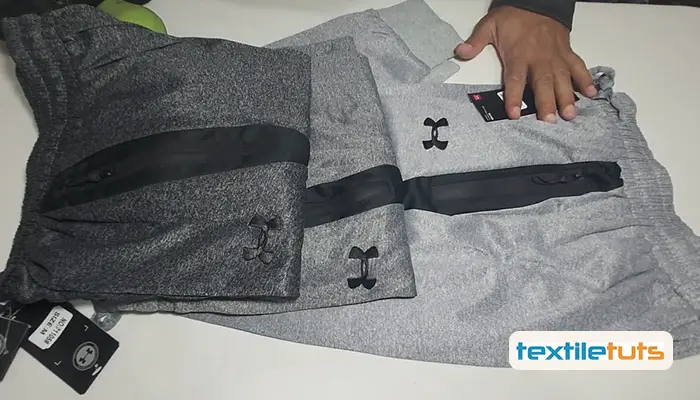
Under Armour is a performance-wear brand recognised for high-quality athletic clothing. Their joggers use a lightweight, breathable fabric — typically a polyester-elastane blend (87/13) at 230–260 GSM — with their signature moisture-transport system that moves sweat away from the skin.
Under Armour joggers typically retail for $35–$75 and are designed with a compression or semi-compression fit that supports muscles during training while maintaining enough comfort for all-day wear.
Old Navy
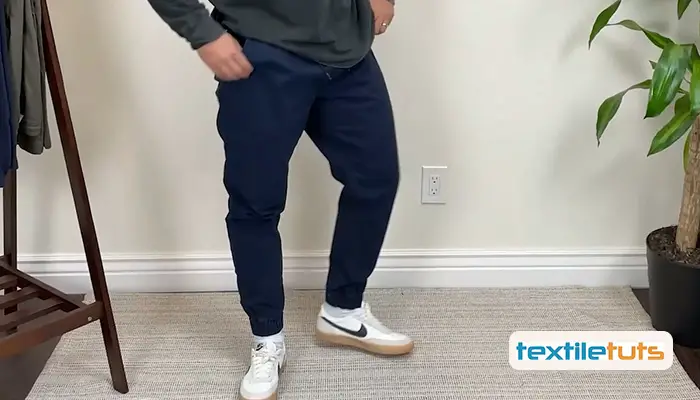
Old Navy is a great option for budget-friendly joggers without sacrificing quality. Their Go-Warm joggers use a cotton-polyester brushed fleece at 280 GSM, providing good warmth at an accessible price point.
Old Navy joggers typically retail for $16–$35, making them among the most affordable options from a recognisable brand. They are available in a broad range of colours and sizes, including tall and petite inseams, and many customers report good durability relative to the price point.
Conclusion — Final Thoughts on Jogger Pricing and Value
You now understand several specific reasons why joggers can be expensive. The materials used in joggers, particularly performance textiles with moisture-wicking finishes, four-way stretch, and breathable mesh panels, cost significantly more to produce than standard woven fabrics.
The design of joggers with functional features such as zippered pockets, gusseted crotches, and reflective strips requires more complex pattern-making and additional manufacturing steps, all of which contribute to the final cost. The brand name associated with premium athleticwear also increases the price tag considerably.
Not all joggers are expensive, and plenty of affordable options are available on the market. Understanding fabric composition and GSM weight helps you identify which joggers offer the best value for your specific needs. Ultimately, it is up to you to decide how much you are willing to spend on a pair of joggers based on your intended use, quality expectations, and budget.
References
- Cotton Incorporated. (n.d.). Cotton Fabric Types and Performance Technologies. cottonworks.com
- Cotton Incorporated. (n.d.). 90% Cotton 10% Polyester Fabric Properties. TextileTuts. textiletuts.com
- TextileTuts. (n.d.). Fabric GSM Explained — Understanding Fabric Weight. textiletuts.com
- TextileTuts. (n.d.). Properties of Cotton Fiber. textiletuts.com
- Lululemon Athletica. (n.d.). Technical Fabric Details — Luon and Everlux. Lululemon. lululemon.com
- Adidas Group. (n.d.). Parley for the Oceans — Recycled Materials in Adidas Products. Adidas. adidas.com
- International Organization for Standardization. (2020). ISO 13934-2: Textiles — Tensile Properties of Fabrics — Part 2: Determination of Maximum Force Using the Grab Method. ISO. iso.org


