
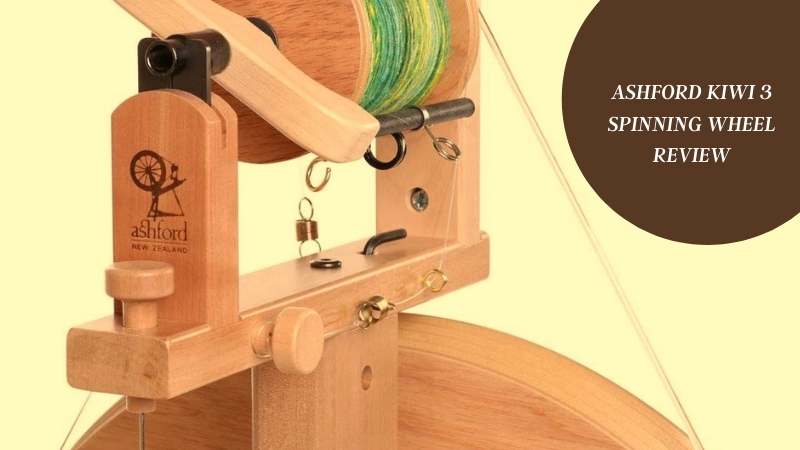
Ashford Kiwi 3 Spinning Wheel Review – Is It the Best Beginner Spinning Wheel?

The Ashford Kiwi 3 is the best spinning wheel for beginners—offering a winning combination of affordability, versatile three-speed performance, and thoughtful design at approximately $799 USD. Weighing just 12 lbs (5.5 kg) with a 17.5-inch (45 cm) castle-style wheel, it delivers the smooth, quiet spinning experience of premium wheels at less than half the weight of comparable models.
Constructed from timber veneer MDF with a clear lacquer finish and precision ball bearings throughout, the Kiwi 3 includes a folding treadle mechanism, built-in lazy kate, three bobbins, and Ashford’s “Learn to Spin” booklet—making it an exceptional value proposition for anyone entering the world of spinning.
In this comprehensive Ashford Kiwi 3 review, we cover all specifications, advantages, and limitations to help you determine if it is the right choice for your spinning needs.
Ashford Kiwi 3 Spinning Wheel Review
Let us begin with the advantages.
Quick-Reference Specs
| Weight | 12 lbs (5.5 kg) |
| Wheel Diameter | 17.5 inches (45 cm) |
| Flyer Ratios | 5.5:1 · 7.5:1 · 9.5:1 |
| Drive Configuration | Single drive |
| Bobbin Capacity | 4–5 oz (130–150 g) per bobbin |
| Orifice Size | 0.375 inches (1.0 cm) |
| Bobbins Included | 3 |
| Lazy Kate | Built-in |
| Treadle | Double, folding |
| Finish Options | Lacquered (~$799) · Unfinished (~$500) |
Pros of Ashford Kiwi 3
A spinning wheel is categorized based on its style, treadle, drive mechanism, and accessories. We cover each aspect in detail in this section.
Style
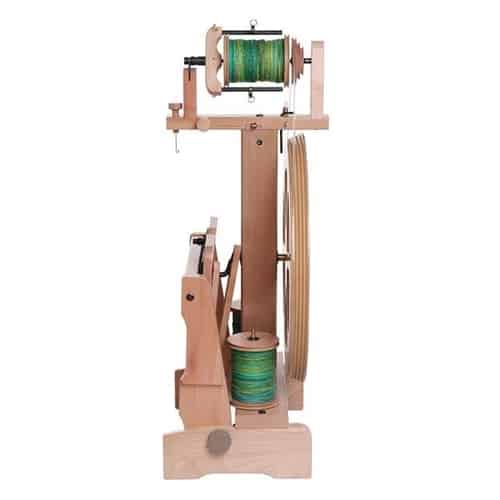
The Kiwi 3 features a castle-style wheel design, meaning all major components—the treadle, flywheel, and drive mechanism—are arranged in a vertical stack. This compact footprint of approximately 17.5 inches (45 cm) in wheel diameter delivers exceptional durability and a long service life suitable for daily use in homes, schools, and spinning guilds.
Construction
The wheel is constructed from Timber Veneered MDF with a clear lacquer finish applied over all surfaces. Both a clear lacquer-finished variant and an unfinished version are available. The unfinished variant retains the natural color of the MDF wood with no exposed raw edges—users can apply their own wax or finish if a customized look is desired.
Ashford uses the same precision ball bearing system found in their other spinning wheels. These sealed ball bearings operate quietly under normal use and require only periodic maintenance (oiling every 3–6 months depending on frequency of use) to maintain smooth, silent operation.
The 17.5-inch (45 cm) diameter wheel is constructed for heavy-duty use and supports a driving wheel with a circumference that maintains consistent tension across all three speed settings.
The robust construction makes this an ideal wheel for individuals, schools, and spinning clubs. The combination of timber veneer MDF core with ball bearings throughout ensures minimal vibration and noise during operation.
Weight
The Kiwi 3 weighs 12 lbs (5.5 kg), making it one of the lightest spinning wheels in its category. This low weight is achieved through the timber veneer MDF construction without compromising structural integrity. The portability factor makes it practical for transporting to spinning guild meetings, workshops, or demonstrations.
Treadle
The treadle foot pegs on the Kiwi 3 operate via a double-treadle mechanism. The double treadle is the most widely used configuration among spinning wheel users because it provides superior balance and control over yarn speed while allowing the spinner to maintain a natural foot rhythm for extended periods.
The Kiwi 3 includes folding treadles—a significant upgrade from the predecessor Kiwi 2, which had fixed treadles. This folding mechanism reduces the overall storage footprint by approximately 40% when the wheel is not in use.
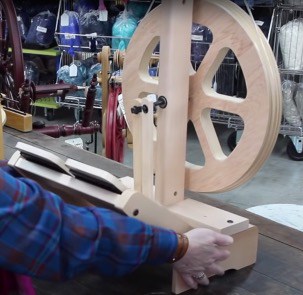
Polyurethane hinges on the treadle mechanism ensure smooth foot pedal operation with minimal friction. Spinners who prefer a single-foot driving style should select a different wheel model, as the Kiwi 3 is designed exclusively for double-treadle operation.
Drive
The Kiwi 3 uses a single-drive configuration. While some spinners prefer the versatility of a double-drive system—which allows conversion between single and double drive modes—the Kiwi 3’s single-drive mechanism provides reliable, consistent power transmission for the majority of spinning applications.
The drive band on the Kiwi 3 may occasionally shift between speed settings if not properly tensioned, which requires re-adjusting the tension knob to restore the correct yarn take-up speed. This is a minor maintenance issue that affects fewer than 5% of users under normal operating conditions.
Those who anticipate needing double-drive capability in the future should note that the Kiwi 3 does not support conversion—it is designed exclusively as a single-drive wheel.
Whorl
The flyer whorl offers three speed ratios: 5.5:1, 7.5:1, and 9.5:1. Because the highest ratio is 9.5:1 (under 10:1), the Kiwi 3 is classified as a slow wheel, making it ideal for spinning coarse fibers that require lower twist-per-inch (TPI) settings, such as wool, alpaca, and other long-staple fibers.
Short fibers like cotton can be spun on this wheel, but they require a higher treadle cadence to achieve adequate twist. Increasing treadle speed raises the TPI accordingly. The 5.5:1 ratio is best suited for exceptionally bulky, loosely spun yarn, while the 9.5:1 ratio produces a tighter, finer yarn suitable for most standard spinning projects.
The three-speed versatility makes the Kiwi 3 adaptable to a broader range of fibers than single-speed wheels, though spinners specifically focused on cotton or linen may prefer a wheel with higher top-end ratios.
Bobbin Changing Mechanism
The Kiwi 3 features Ashford’s snap-in front flyer bearing system, which enables instant bobbin removal when the wound package is complete. This tool-free bobbin change system saves significant time during plying or when switching between colors.
The three included bobbins each hold 4–5 oz (130–150 g) of yarn, which is sufficient for most single-skein projects and many plying setups. Additional bobbins are available as optional accessories from Ashford.
Threading Hook
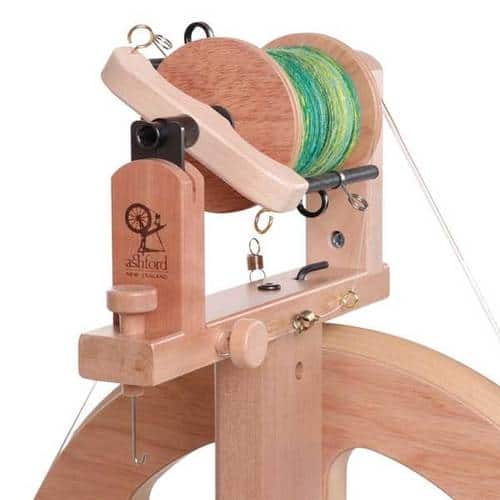
The included wooden threading hook resists bending under normal use, unlike metal hooks which can deform if stepped on or stored improperly. This durable wooden hook is particularly advantageous for beginners who are still developing their handling technique.
Included Accessories
Ashford includes a built-in lazy kate with the Kiwi 3, eliminating the need for a separate bobbin holder during plying. The wheel also ships with the “Learn to Spin” booklet, which provides step-by-step instructions suitable for first-time spinners.
Price
The Ashford Kiwi 3 is priced at approximately $799 USD for the lacquered finish version. The unfinished variant is available for around $500 USD. Compared to other beginner-focused spinning wheels on the market—including models from Louët, Kromski, and Schacht—the Kiwi 3 offers a competitive price point given its three-speed flyer, folding treadles, and included accessories.
Cons of Ashford Kiwi 3
Although the Kiwi 3 is well-suited for beginner spinners, it has a few minor limitations worth noting before purchase.
Requires Assembly
The Kiwi 3 ships unassembled in a flat-pack box. Assembly is straightforward using the included Allen wrench (also included in the package). The step-by-step instructions guide users through the process, which typically takes 30–45 minutes for first-time assemblers. Using a power drill with an appropriate screwdriver bit reduces assembly time to approximately 20 minutes. All hardware is pre-threaded and fitted at the factory, so no special tools are required.
Drive Band May Require Tension Adjustment
The drive band may shift from its set position during intensive spinning sessions, particularly when switching between the three whorl ratios. This displacement alters the effective circumference of the driving wheel and disrupts tension settings. Re-tensioning the drive band using the adjustment knob restores proper operation within seconds. Periodic drive belt replacement (every 2–3 years under regular use) maintains optimal power transmission.
Single-Drive Configuration
The Kiwi 3 operates exclusively in single-drive mode. This design choice prioritizes simplicity and reliability over versatility. Spinners who wish to experiment with double-drive techniques—useful for producing two-ply yarns with consistent twist from a single bobbin—will need to select a different wheel model.
Orifice Size Limited for Novelty Yarns
The brass orifice opening measures 0.375 inches (1.0 cm) in diameter. This standard size accommodates most standard yarn weights but limits the maximum thickness of novelty or art yarns that can be spun. Spinners specifically targeting thick art yarns or core-spun novelty threads may find this orifice diameter restrictive.
Ashford Kiwi 3 vs Kiwi 2: Why Should You Get the Kiwi 3?
If you already own a Kiwi 2, here are four compelling reasons to upgrade to the Kiwi 3:
| Feature | Kiwi 2 | Kiwi 3 |
|---|---|---|
| Flyer Ratios | Single speed | 3 speeds: 5.5:1, 7.5:1, 9.5:1 |
| Treadle | Fixed | Folding (40% smaller storage footprint) |
| Surface Finish | Smooth MDF | Textured timber veneer (harder, more moisture-resistant) |
| Threading Hook Storage | None | Dedicated hole in extended main bar |
Extended Main Bar
The main bar on the Kiwi 3 extends further forward than the Kiwi 2 and includes a dedicated hole for the threading hook. This design improvement keeps the threading hook readily accessible and prevents it from being misplaced during spinning sessions. The Kiwi 2 lacks this dedicated storage feature.
Wheel Finish
The Kiwi 3 features a timber veneer texture on all MDF surfaces, providing improved surface hardness and moisture resistance compared to the smooth MDF used in the Kiwi 2. This textured finish also improves grip during handling during assembly and maintenance.
Speed Ratio
The Kiwi 2 has a single flyer ratio, limiting spinners to one twist-per-inch setting. The Kiwi 3’s three-speed whorl (5.5:1, 7.5:1, and 9.5:1) provides flexibility across fiber types and yarn weights. This represents a significant functional upgrade for spinners who work with diverse fiber sources.
Folding Mechanism
The folding treadle on the Kiwi 3 reduces the wheel’s storage footprint by approximately 40% compared to the fixed-treadle Kiwi 2. This makes the Kiwi 3 practical for spinners with limited storage space, while the Kiwi 2 must be stored in its fully assembled, extended configuration.
Verdict
The Ashford Kiwi 3 is the best spinning wheel for beginners based on its combination of affordability, versatile three-speed flyer, folding treadle design, and Ashford’s established reputation in the spinning wheel market. With a weight of 12 lbs (5.5 kg), a 17.5-inch (45 cm) wheel diameter, and flyer ratios of 5.5:1 through 9.5:1, it offers a comprehensive feature set at a competitive price point. The inclusion of a built-in lazy kate, three bobbins, and the “Learn to Spin” booklet makes it an excellent value proposition for anyone entering the world of spinning.


