
What Is Wool Fabric? Types, Properties, Grades and Care

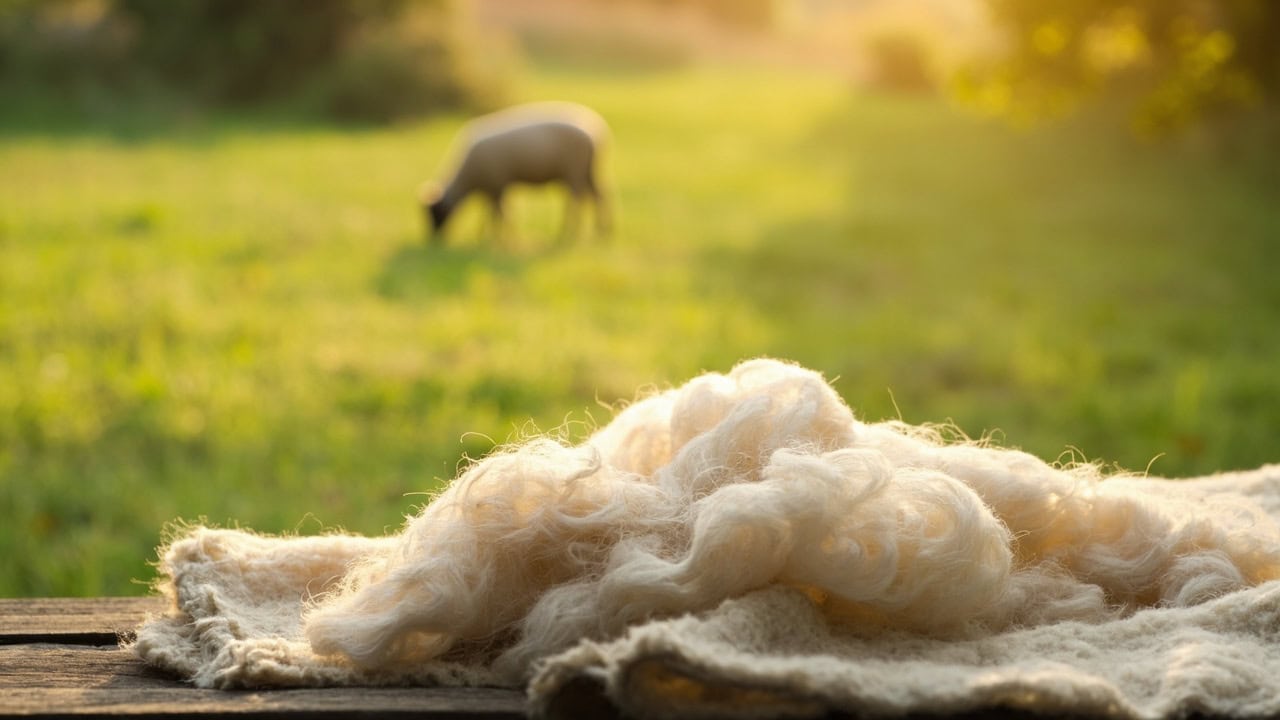
Wool fabric is a natural protein fiber harvested from sheep (primarily Ovis aries), composed of keratin proteins with overlapping cuticle scales that create its signature warmth, moisture-wicking, and flame-resistant properties. Wool grades range from coarse carpet wool (30–40 microns) to ultrafine merino (under 17.5 microns), with finer fibers producing softer, more expensive fabrics suitable for next-to-skin garments. This ancient textile — evidence of wool use dates to 4000–3000 BCE — remains one of the most technically sophisticated natural fibers ever developed.
What Is Wool Fabric? Definition and Overview
Wool is a natural protein fiber harvested primarily from sheep, though it also comes from goats (producing cashmere and mohair), alpacas, and other wool-bearing animals. The primary commercial source for apparel wool is the Merino sheep, which produces fibers ranging from 17 to 23 microns in diameter — fine enough for garments worn directly against sensitive skin.
The fiber structure of wool is uniquely engineered by nature. Each wool fiber is a cylindrical shaft with overlapping cuticle scales pointing outward, much like roof tiles stacked in layers. These microscopic scales serve multiple functions: they interlock with one another during processing to bind yarns together, they create wool’s characteristic felting behavior when exposed to heat and agitation, and they form a protective layer that repels water while allowing vapor transmission.
Raw wool contains lanolin (wool grease), a waxy substance secreted by sheep skin that provides natural water repellency and mild antimicrobial properties. This is largely removed during the scouring (cleaning) process, though some lanolin may be retained in machine-washable wool treatments. The keratin protein structure of wool is chemically similar to human hair and nails, which explains why it responds to similar care conditions — and why harsh enzymes designed for plant-based fibers can damage it.
How Wool Fabric Is Made: From Fleece to Fabric
The journey from raw fleece to finished wool fabric involves a carefully sequenced series of processing steps, each of which fundamentally affects the character of the final textile.
Shearing — Sheep are shorn once per year, typically in spring, using electric clippers or manual blade shears. A single sheep produces 3 to 17 pounds (1.5 to 7.7 kg) of raw fleece depending on breed, age, and health. The fleece is removed in one piece and handled carefully to preserve fiber length and cleanliness.
Sorting — Immediately after shearing, the fleece is spread out and sorted by experienced workers who evaluate each section for fiber fineness, staple length, strength, color, and cleanliness. The finest and most uniform fibers from the sides and shoulders are separated from coarser fibers from the legs and belly.
Scouring (Cleaning) — Raw fleece contains substantial quantities of grease (lanolin), sweat salts, dirt, and vegetable matter (grass, seeds, burrs). The fleece is washed in large automated scouring machines using hot alkaline water baths (typically 50–60°C) with non-ionic detergents. This process removes 95–99% of the grease and most of the dirt. Water temperature must be carefully controlled — exceeding safe thresholds risks damaging the keratin structure.
Carding — After drying, the scoured wool passes through a series of carding machines equipped with thousands of fine wire teeth. The carding process disentangles the fibers, removes remaining impurities, and brushes them into a aligned web. This web is then condensed into rope-like strands called roving. Carding produces wool suitable for woolen yarns, which are soft, fluffy, and have a fuzzy surface.
Combing (for Worsted Yarn) — For smooth, fine worsted fabrics, the roving undergoes additional combing. The combing process uses heated long-tooth metal combs to remove short fibers (noils) while retaining long fibers in a parallel alignment. This produces a smooth, dense strand called tops, which is then drawn and drafted into worsted roving. Worsted yarns are stronger, finer, smoother, and harder than woolen yarns.
Spinning — The roving is drawn out and twisted by a spinning frame to create yarn. Two distinct spin systems produce fundamentally different fabrics: woolen spinning uses short-staple fibers with a semi-worsted or woolen draft, producing soft, bulky yarn with a fuzzy surface; worsted spinning uses long-staple combed fibers with a true worsted draft, producing smooth, fine, durable yarn. The natural crimp of wool — fine merino can have up to 40 crimps per centimetre — is retained in woolen yarns but reduced or eliminated in worsted processing.
Weaving or Knitting — Yarn is then transformed into fabric. Weaving interlaces warp and weft yarns on looms in patterns such as plain weave, twill (used for flannel and serge), and satin weave. Knitting creates fabric by interlooping yarns on knitting machines, producing jersey, rib knits, and purl structures. Wool knit fabrics include merino jersey, which has become a staple of performance base layers.
Finishing — The grey cloth (loom-state fabric) undergoes finishing processes tailored to the end use. Fulling (also called milling) is a controlled felting process that shrinks and densifies the fabric, improving handle and water resistance — essential forBoiled wool and traditional melton cloth. Napping raises a fuzzy surface by passing the fabric over revolving cards. Anti-moth treatments (typically permethrin-based or natural alternatives like cedar) protect stored garments. Carbonizing removes vegetable matter using sulfuric acid.
Key Properties of Wool Fabric
Wool possesses a remarkable combination of technical properties that no synthetic fiber has fully replicated. The following table compares wool against cotton as a benchmark.
| Property | Wool Value | Compared to Cotton |
|---|---|---|
| Fiber diameter | 17–40 microns (merino 17–23) | Cotton: 16–20 microns |
| Warmth retention | Excellent — trapped air in fiber crimp | Better than cotton |
| Moisture absorption | Absorbs 30% of weight without feeling wet | Absorbs 25% |
| Breathability | High — allows vapor transmission | Good |
| Flame resistance | Natural — resists ignition up to 600°C | Burns at 255°C |
| Elasticity | 20–30% stretch recovery | Minimal stretch |
| Dimensional stability | Good when wet | Shrinks if washed incorrectly |
| Heat sensitivity | Damages above 30°C (felting) | Can withstand higher temps |
| Pilling tendency | Moderate — short fibers pill | Lower pilling |
Types and Varieties of Wool Fabric
Wool fabric is classified into categories both by the animal source of the fiber and by the construction method used to create the textile.
By Fiber Source
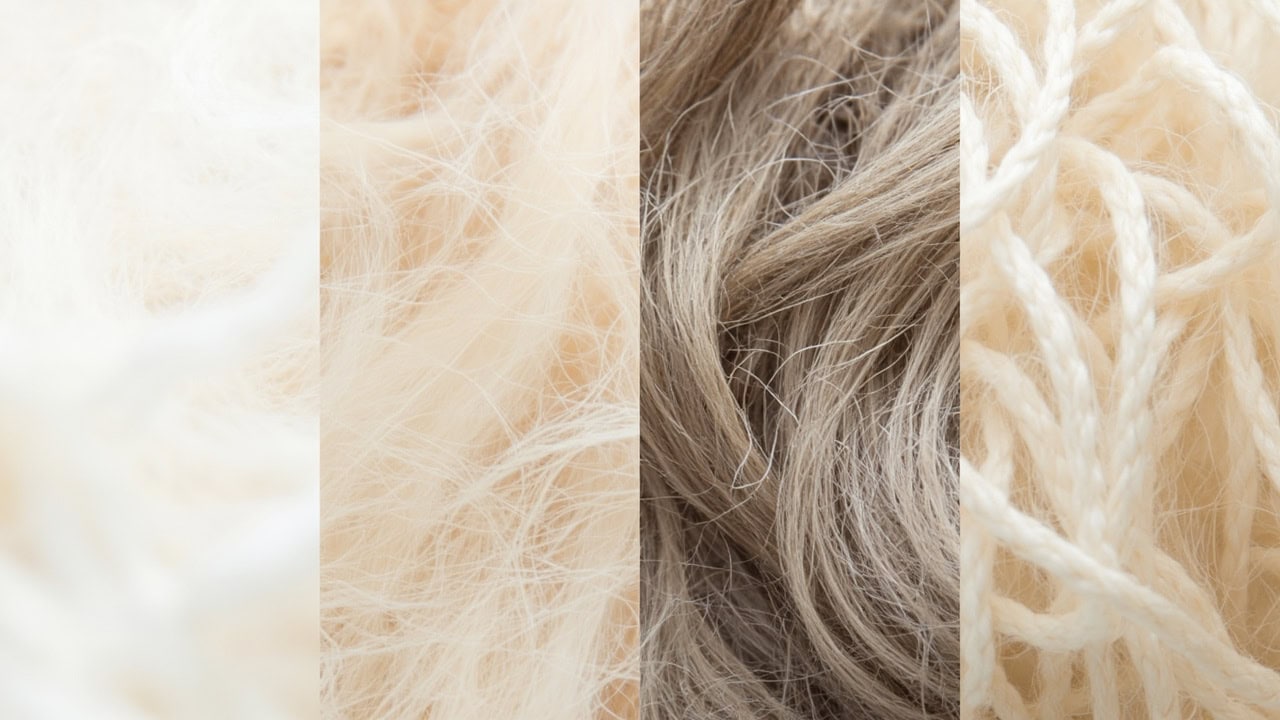
Merino Wool — The finest and softest apparel wool, sourced from Merino sheep originally bred in Spain but now raised primarily in Australia and New Zealand. Fiber diameter ranges from 17 to 23 microns. Merino absorbs moisture vapor efficiently, regulates body temperature, and resists odors — making it the preferred choice for performance base layers and activewear.
Shetland Wool — Medium-fine wool from the Shetland sheep breed native to Scotland’s Shetland Islands. Staple length is longer than merino, producing a slightly crisper hand. Traditional Shetland knitting wool is used for the iconic “wedding ring shawls” that can be drawn through a ring.
Corriedale Wool — A medium-fine dual-purpose breed developed in New Zealand by crossing Merino and Lincoln sheep. Fiber diameter ranges from 23 to 30 microns. Corriedale produces versatile wool suitable for both garments and craft applications.
Lincoln Wool — Long, coarse fiber (up to 45 microns) from Lincoln sheep, one of the largest British breeds. Used primarily for carpet wool, heavy upholstery fabrics, and braided rugs. The long staple produces extremely durable yarns.
Cheviot Wool — Coarse, resilient fiber from Cheviot sheep raised in the Scottish Borders. Cheviot wool produces crisp, hard-wearing fabrics used for carpet backing and heavy outerwear like the original Harris Tweed.
By Fabric Construction
Boiled Wool — Produced by subjecting woven or knitted wool to heat, moisture, and agitation in a process similar to felting. The result is a dense, tightly matted fabric that is highly water-resistant without any added DWR treatment. Used for traditional Alpine coats, hats, and contemporary minimalist jackets.
Merino Wool Jersey — A soft, lightweight knit fabric made from 100% merino wool. It drapes smoothly, resists wrinkles, and provides natural temperature regulation. Merino jersey is the fabric of choice for premium T-shirts, base layers, and light sweaters.
Wool Flannel — A soft woven fabric with a napped surface created by brushing the cloth after weaving. Wool flannel is lighter than traditional worsted suiting and drapes beautifully, making it ideal for trousers, skirts, and unstructured jackets. The nap provides warmth by trapping air close to the body.
Tweed — A rough-textured woven wool fabric traditionally produced in Scotland and Ireland. Harris Tweed is legally defined as cloth hand-woven by islanders in the Outer Hebrides of Scotland from pure virgin wool. Donegal tweed is similarly protected under Irish law. Both are used for outerwear, home textiles, and accessories.
Cashmere — The ultra-fine undercoat fiber from cashmere goats (Capra hircus), combed (not shorn) by hand during the spring molt. Fiber diameter is typically 14 to 16 microns — finer than any sheep wool. Global cashmere production is approximately 15,000 tonnes per year, compared to approximately 2 million tonnes of sheep wool, making it roughly five times the price of merino. Authentic cashmere originates from the Gobi Desert region, including Mongolia, China, Iran, and Afghanistan.
Mohair — Lustrous fiber from Angora goats (Angora africanus), originally bred in Turkey’s Ankara region. Mohair fibers are straight rather than crimped, giving yarns and fabrics a characteristic silky sheen. Mohair takes dye brilliantly, produces a fuzzy texture when spun loosely, and is used for scarves, suits, and novelty yarns. The goats are shorn twice yearly, producing 5 to 8 kilograms of fiber annually per animal.
Common Uses and Applications
Wool’s versatility spans apparel, home textiles, traditional crafts, and industrial applications.
Apparel — Wool dominates cold-weather and formal clothing: sweaters, suits, base layers, socks, scarves, coats, and tailored jackets. The natural elasticity of wool allows garments to stretch with the wearer and recover their shape, reducing the need for frequent ironing or replacement. Merino wool socks are particularly valued by hikers and outdoor enthusiasts for their moisture management and natural odor resistance.
Outdoor and Performance — Performance merino wool garments have become standard equipment for hiking, skiing, climbing, and mountaineering. The fiber’s combination of moisture wicking, temperature regulation, and natural flame resistance (wool resists ignition up to 600°C, compared to cotton’s 255°C ignition point) provides genuine performance advantages in extreme conditions. Unlike synthetic baselayers, merino does not retain odor-causing bacteria, allowing multi-day use without washing.
Home Textiles — Wool blankets and throws provide superior warmth-to-weight ratios compared to cotton or synthetic alternatives. Wool carpets offer natural soil resistance, flame retardancy, and durability (a well-maintained wool carpet can last 20–30 years). Wool upholstery fabrics resist pilling and maintain their appearance through heavy use.
Traditional Heritage Textiles — Harris Tweed (Scotland) and Donegal tweed (Ireland) are legally protected heritage textiles woven by hand in specific geographic regions. These fabrics carry cultural significance and premium value rooted in centuries-old craft traditions.
Industrial Applications — Wool’s high-temperature flame resistance makes it suitable for thermal and acoustic insulation in buildings and transportation. Wool felt is used in piano hammers, polishing wheels, and filtration systems. Researchers continue to explore wool-based composite materials for environmental remediation and agricultural applications.
Wool Grades and Quality Classification
Wool quality is primarily determined by fiber diameter, measured in microns (one-thousandth of a millimeter). The British “Super” numbering system is the standard grading system for worsted suiting fabrics.
| Grade | Micron Range | Common Uses |
|---|---|---|
| Super 100s | 17.5–18.5 µ | Premium suiting, luxury garments |
| Super 80s | 19.0–19.5 µ | Fine suiting, trousers |
| Merino 70s | 20.0–21.0 µ | Knitwear, mid-range apparel |
| Medium wool | 21.0–25.0 µ | Sweaters, blankets, coats |
| Coarse wool | 25.0–40.0 µ | Carpets, rugs, insulation |
The “Super” numbers indicate yarn fineness in the British grading system — specifically, the number of 560-yard (512-meter) hanks of yarn that can be spun from one pound of combed tops. Higher numbers mean finer, thinner, and softer yarns. Super 100s wool fabric is visibly lighter and smoother than Super 70s. The premium for Super 120s and above reflects both the rarity of ultrafine merino fiber and the specialized processing required to handle such delicate material without breakage.
Pros and Cons of Wool Fabric
| Advantages | Disadvantages |
|---|---|
| Excellent warmth-to-weight ratio | More expensive than synthetic alternatives |
| Natural moisture-wicking | Requires specialized care |
| Flame resistant without chemical treatment | Felts and shrinks if washed incorrectly |
| Natural odor resistance | Can pill with wear |
| Biodegradable and renewable | Attracts moths — requires proper storage |
| Natural elasticity and wrinkle recovery | May feel itchy against sensitive skin |
| Durable with proper care (20–30 years) | Lower UV protection than some fibers |
The “itchy” sensation some people experience with wool is caused by coarser fiber diameters (above 25 microns) irritating the nerve endings in sensitive skin. Ultrafine merino (under 17.5 microns) and cashmere (14–16 microns) are generally not perceived as itchy even by people with wool sensitivity. Pilling is a normal result of short fibers migrating to the fabric surface during wear — it is not a defect and can be managed with a wool comb or fabric shaver.
Caring for Wool Fabric: Essential Guidelines
Wool requires different care than cotton or synthetic fibers because its keratin protein structure is sensitive to heat and because its cuticle scales can interlock permanently during agitation. Following these guidelines will extend the life of wool garments to 20–30 years.
Washing — Hand wash wool in cold water below 30°C with a wool-specific detergent (pH-neutral, enzyme-free formulations designed specifically for protein fibers). Gently agitate by pressing the fabric — never wring, scrub, or twist, as mechanical agitation combined with heat triggers felting shrinkage. For how to wash wool in a washing machine, use a wool or delicate cycle at 30°C or colder with wool-specific detergent and no spin cycle. Hand washing technique remains the gold standard for fine knitwear and delicate items.
Drying — Never hang wet wool garments, as the weight of the water combined with gravity will stretch the fabric permanently out of shape. Lay the garment flat on a clean, dry towel, gently reshape it to its original dimensions, and allow it to air dry at room temperature. Tumble drying is not recommended for any wool garment, even on an air-fluff setting.
Ironing and Steaming — Use a steam iron set to the wool setting (150–180°C) with a pressing cloth between the iron and the fabric. Direct contact with a hot iron without a cloth can create a shiny “press shine” that is difficult to remove. Steam gently without pressing down hard — the steam relaxes wool fibers and helps release wrinkles. For structured garments like suits, professional dry cleaning is preferable to home ironing.
Storage — Moths are attracted to wool fabrics soiled by body oils, food residue, and perspiration. Always wash or dry clean wool garments before storing them for extended periods. Use cedar blocks, cedar oil, or lavender sachets as natural moth deterrents — though these must be refreshed periodically as their effectiveness fades. Vacuum storage bags are effective for seasonal storage. For long-term storage, place garments in airtight containers with moth traps containing pheromone lures.
Managing Pilling — Pilling is an expected characteristic of wool, especially in areas subject to friction (underarms, cuffs, seat). Remove pills regularly with a wool comb or an electric fabric shaver set to the appropriate height for the fabric thickness. Removing pills restores the smooth appearance of the fabric and does not damage the garment when done carefully.
Professional Care — Tailored structured garments — suits, coats, blazers, and formal dresses — should be dry cleaned. Dry cleaning uses chemical solvents (typically perchloroethylene, though “wet cleaning” using specialized water-based processes is becoming more common) that clean without mechanical agitation, avoiding felting risk. Heavily soiled items and performance garments with specialized finishes may also benefit from professional care to preserve functional treatments.
Frequently Asked Questions
Q: What is wool fabric made of?
A: Wool fabric is made of protein fibers composed primarily of keratin — the same protein found in human hair and nails. These fibers grow from follicle cells in sheep skin and are composed of millions of overlapping cuticle scales that create wool’s characteristic warmth and felting properties.
Q: What are the different grades of wool fabric?
A: Wool is graded by fiber diameter measured in microns — Super 100s (17.5–18.5 microns) for luxury suiting, Super 80s (19–19.5 microns) for fine apparel, Merino grades (20–23 microns) for knitwear, and coarse grades (25–40 microns) for carpets and industrial use. Finer fibers produce softer, more expensive fabrics.
Q: Does wool shrink when washed?
A: Wool felts and shrinks when exposed to heat above 30°C, moisture, and agitation — the cuticle scales interlock irreversibly. This is called consolidation shrinkage. To prevent shrinkage, always wash wool in cold water with a wool-specific detergent and never agitate or wring the fabric.
Q: How do you care for wool fabric at home?
A: Hand wash wool in cold water (below 30°C) using wool-specific detergent, gently pressing the fabric without wringing. Rinse in cold water at the same temperature. Dry by laying the garment flat on a clean towel, reshaping gently. Store clean, dry garments with cedar blocks to prevent moth damage.
References
- International Wool Textile Organisation (IWTO). “Facts About Wool.” https://www.iwto.org/resources/facts-about-wool
- Textile Exchange. “Responsible Wool Standard.” https://www.textileexchange.org/wool/
- Cotton Incorporated. “Wool Fiber: Properties and Performance.” https://www.cottonworks.com/topics/fiber/wool/
- Wikipedia. “Wool.” https://en.wikipedia.org/wiki/Wool
- Wikipedia. “Worsted Yarn.” https://en.wikipedia.org/wiki/Worsted_yarn
- Wikipedia. “Felting.” https://en.wikipedia.org/wiki/Felting
- Craft Yarn Council of America. “Yarn Weight Classification System.” https://www.craftyarncouncil.com


