
How Much Does a Tailor Cost? Price Guide by Alteration Type

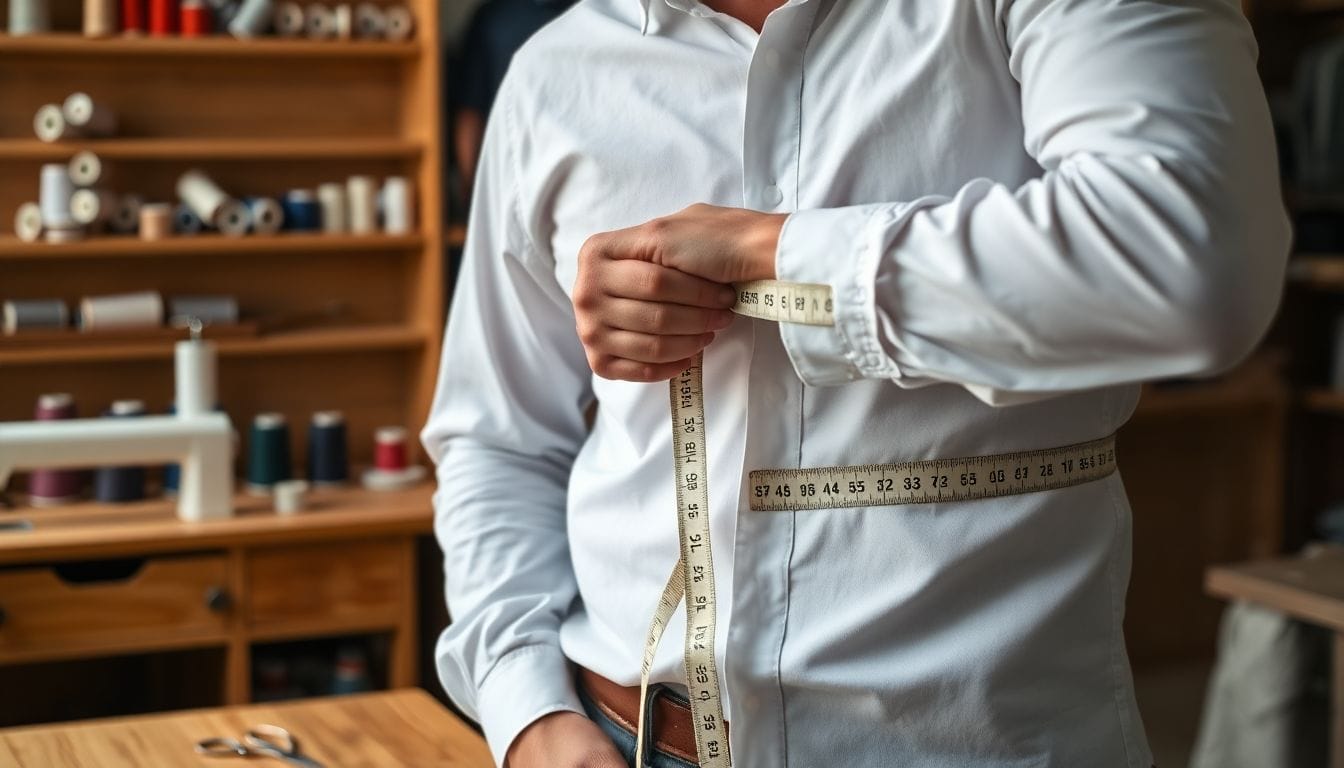
Professional tailoring costs range from $15–$30 for basic hemming to $75–$200+ for complex restructuring like shoulder modifications or suit alterations. Urban tailors charge 20–40% more than rural providers. Three factors determine your total cost: the alteration type, fabric complexity, and whether the job requires a single visit or multiple fittings.
Average Tailor Cost by Alteration Type
Professional tailoring prices vary based on work complexity. The table below shows standard single-layer fabric pricing across most U.S. markets — expect 30–60% higher costs for leather, silk, velvet, and specialty fabrics.
| Alteration Type | Low End | High End | Average | Rush Surcharge |
|---|---|---|---|---|
| Basic hem (jeans/trousers) | $15 | $30 | $22 | +50–100% |
| Blind hem (dress pants) | $25 | $45 | $35 | +50–100% |
| Waist intake (2 seams) | $30 | $60 | $45 | +50–100% |
| Let out waist seams | $40 | $70 | $55 | +50–100% |
| Sleeve shortening | $25 | $50 | $37 | +50–100% |
| Shoulder adjustment | $40 | $75 | $57 | +75–150% |
| Dart addition/removal | $35 | $65 | $50 | +50–100% |
| Lining replacement | $75 | $150 | $112 | +75–150% |
| Suit jacket restructure | $75 | $200 | $137 | +75–150% |
| Armhole reseating | $100 | $250 | $175 | +100–200% |
Note: Prices reflect standard single-layer fabrics. Leather, silk, velvet, and specialty fabrics add 30–60% to labor costs.
Why Tailor Costs Vary by Alteration Type
Each alteration type demands different skill levels, time investments, and fabric handling techniques — which directly explains the price spread across tailoring services.
Hemming costs the least because it requires a single straight stitch with minimal fabric handling. Experienced tailors complete standard hems in under an hour using industrial sewing machines designed for high-volume straight stitching. The work is predictable and needs minimal pattern reasoning.
Waist adjustments involve opening existing seams, precisely removing fabric from both side seams, and resewing with exact matching at original seam lines. Quality waist intake requires 1–2 hours of labor and demands careful pressing to maintain the trouser’s original silhouette.
Shoulder modifications demand dismantling the entire shoulder and sleeve assembly — removing the sleeve, opening the shoulder seam, adjusting the cap shaping, and reconstructing everything with the collar properly aligned. This work requires 2–4 hours of skilled labor. The shoulder cap (the curved top of the sleeve that fits into the armhole) is unforgiving: incorrect reshaping creates visible divots at the sleeve head and impairs arm mobility.
Suit restructuring involves working with multiple layers simultaneously — the outer shell fabric, the interlining or canvas, and the lining — all of which must be adjusted in concert. Suit alterations commonly take 3–5 hours. When the suit fabric features a plaid or stripe pattern, the tailor must maintain pattern continuity across seam lines, adding significant time and skill requirements.
Factors That Affect Tailor Pricing
Fabric Type
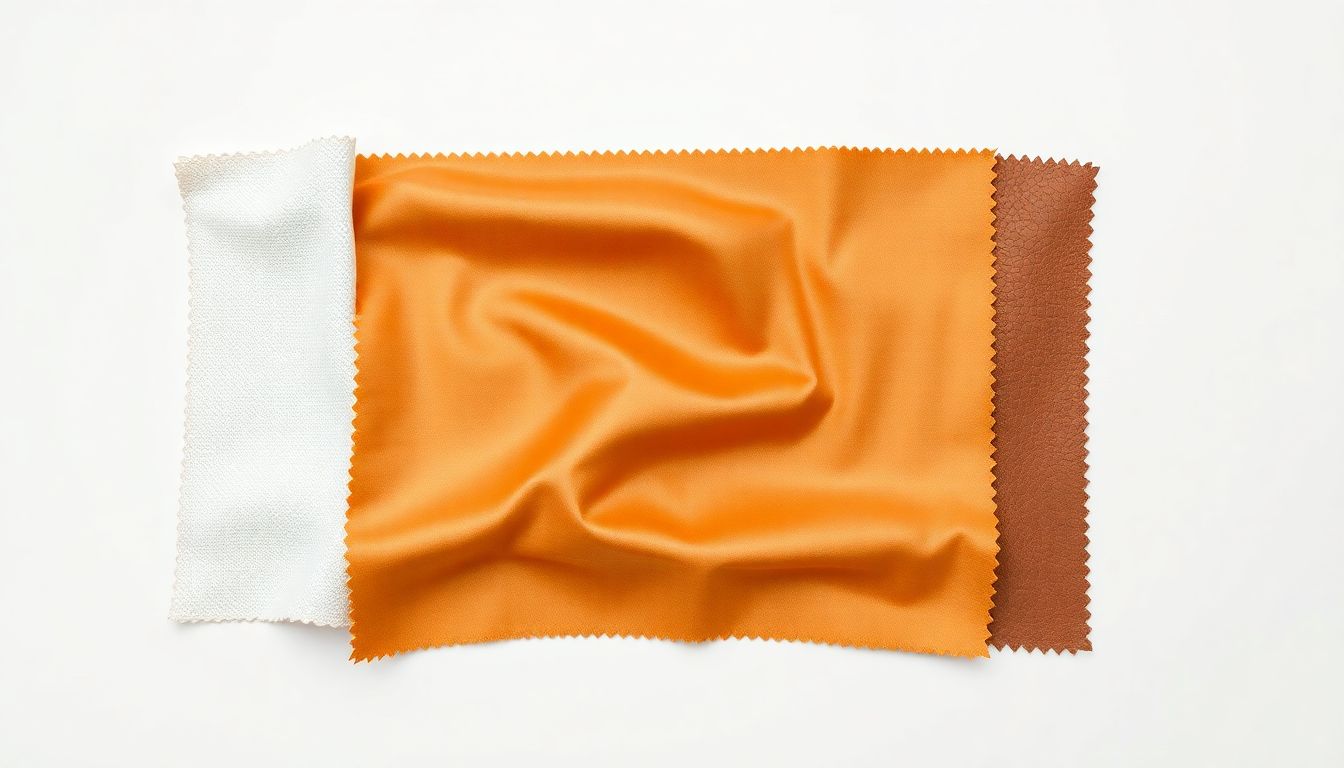
Fabric composition significantly affects tailoring prices. Delicate and specialty fabrics require specialized handling, different needle types, adjusted thread tension, and often hand-finishing work that dramatically increases labor time. Cotton, linen, and polyester blends handle predictably under industrial equipment and cost standard rates. Silk, satin, and velvet require specialized needles (fine ballpoint or wedge point), reduced machine speed, and pressing techniques with appropriate temperature and moisture control — adding 30–50% to base costs. Leather and suede require specialty cutting tools, adhesive compounds for reinforcement, and carry a risk premium because damage from slippage or needle holes is irreversible, adding 50–75%.
- Cotton, linen, and polyester blends: Standard pricing — these fabrics handle predictably under industrial sewing equipment and require no special accommodations.
- Silk, satin, and velvet: +30–50% — these fabrics require specialized needles (fine ballpoint or wedge point), reduced machine speed, hand-finishing on collars and lapels, and pressing techniques that use appropriate temperature and moisture control. Velvet and satin are particularly prone to pressure marks that require careful handling.
- Leather and suede: +50–75% — these materials require specialty cutting tools, adhesive compounds in addition to stitching for reinforcement, and a risk premium because damage from slippage or needle holes is irreversible. Many tailors refuse leather work entirely or limit it to simple hems.
- Denim: Standard to +20% — heavy-duty thread and specialized needles are required, and the thickness of multiple layers (particularly at inseams and side seams) can strain standard industrial machines.
Garment Construction
Original garment construction determines how much room a tailor has to work with and how much skill the job requires. Ready-to-wear garments feature generous seam allowances (typically 1.5–2 cm) designed for future alterations, with industrial seams sewn for efficiency — standard pricing applies. Designer or bespoke garments often have minimal seam allowance (sometimes 0.5–1 cm), requiring creative solutions such as adding fabric extensions or repositioning seams, adding 20–40% to costs. Vintage or heirloom garments may use period-appropriate construction techniques (hand-padstitching, hand-finished hems, different seam treatments) that demand matching skill levels to restore properly — adding 30–60%.
- Ready-to-wear (RTW): Standard pricing — RTW garments are constructed with generous seam allowances (typically 1.5–2 cm) designed specifically to accommodate future alterations. Industrial seams are also sewn for efficiency, making them relatively straightforward to open and resew.
- Designer or bespoke: +20–40% — high-end garments often have minimal seam allowance, sometimes as little as 0.5–1 cm, requiring creative solutions such as adding fabric extensions or repositioning seams. Designer linings may be attached with hand-stitching that must be carefully removed and reattached.
- Vintage or heirloom garments: +30–60% — older garments may use period-appropriate construction techniques (hand-padstitching, hand-finished hems, different seam treatments) that require matching skill levels to restore properly. The risk of damaging fragile historic fabrics also commands a premium.
Geographic Location
Geographic location significantly affects tailoring prices through overhead cost variations. Commercial rent, utilities, insurance, and equipment maintenance costs vary dramatically between markets and pass directly to consumers. Rural tailors maintain base pricing due to lower overhead and price conservatively to retain local customers. Suburban areas add +10–20% due to higher commercial rent and operating costs. Major metropolitan areas (NYC, LA, Chicago) add +25–40% — a standard hem costing $20 in rural Ohio typically costs $30–$38 in Manhattan. High-end neighborhoods (Upper East Side Manhattan, Beverly Hills, Back Bay Boston) add +40–60%, with tailoring shops pricing at the high end of the market for affluent clientele.
- Rural areas: Base pricing — lower overhead allows tailors to maintain competitive rates. Small-town tailors often price conservatively to retain local customers.
- Suburban areas: +10–20% — commercial rent and operating costs run higher than rural areas, reflected in moderate price increases.
- Major metropolitan areas (NYC, LA, Chicago): +25–40% — commercial space in major cities commands premium rents. A standard hem that costs $20 in rural Ohio typically costs $30–$38 in Manhattan.
- High-end neighborhoods: +40–60% — areas with affluent clientele (Upper East Side Manhattan, Beverly Hills, Back Bay Boston) see tailoring shops price at the high end of the market, sometimes above published rate cards for known customers.
When to Pay More for a Tailor vs. Choosing a Budget Option
Not every garment justifies premium tailoring. Understanding when to invest in quality work and when budget options are adequate saves money without sacrificing results where they matter.
Pay More (+50–100% Premium) When:
- The garment costs $150 or more: A $300 blazer deserves the same quality of alteration you would expect from a bespoke purchase. Saving $50 on a $300 garment’s alteration is false economy.
- The fabric is silk, wool, leather, or specialty material: These fabrics show every mistake. An uneven hem on a silk dress is immediately visible; a crooked stitch on denim often disappears in the fabric texture.
- The alteration involves structural seams: Shoulders, armholes, and waist restructuring affect how the entire garment hangs. Poor work in these areas compounds into a fundamentally unwearable result.
- You need a perfect pattern match on plaids or stripes: Matching stripes across a waist seam or sleeve placket requires skill, time, and careful pinning. Budget tailors typically do not attempt this work or produce inferior results.
- The garment has sentimental or formal occasion purpose: A wedding dress, a parent’s vintage suit, or a garment for a significant professional event deserves premium care regardless of the garment’s current monetary value.
Budget Options Acceptable When:
Budget tailoring works adequately for everyday casual wear with forgiving fabrics and simple alterations. A $25 pair of jeans from a high-street retailer does not justify a $40 tailor’s hem — a $10 dry-cleaner hem is proportional to the garment’s value. Cotton and polyester blends hide minor stitching irregularities and respond well to standard machine alteration techniques. Simple straight hems with no pattern matching, no delicate fabric, and no structural complexity represent the ideal budget option scenario. For casual wear where a quarter-inch discrepancy in leg length goes unnoticed, basic machine hems are entirely acceptable.
- The garment is everyday casual wear under $50: A $25 pair of jeans from a high-street retailer does not justify a $40 tailor’s hem. A $10 dry-cleaner hem is proportional to the garment’s value.
- The fabric is cotton or polyester blend: These forgiving fabrics hide minor stitching irregularities and respond well to standard machine alteration techniques.
- The alteration is a simple straight hem: No pattern matching, no delicate fabric, no structural complexity — a straightforward hem on stable fabric is where budget options perform adequately.
- The fit doesn’t need to be precision-perfect: For casual wear where a quarter-inch discrepancy in leg length goes unnoticed, basic machine hems are entirely acceptable.
What to Expect at a Tailor Consultation
Most tailoring shops offer free consultations — the assessment takes 5–15 minutes and helps the tailor determine technical feasibility and cost. The standard process involves four steps: fitting assessment, cost quote, timeline commitment, and deposit requirement.
- Fitting assessment (5–15 minutes): The tailor examines your garment inside and out, checks the seam allowance availability (the extra fabric hidden inside seams that allows for future alterations), and confirms what is technically possible. They will tell you honestly if an alteration is not advisable given the garment’s construction.
- Cost quote: The tailor provides a price — verbally or on a written card — based on the assessment. For simple jobs, the verbal quote is reliable. For complex work (suit restructuring, lining replacement, or structural changes), always request the total price in writing before leaving the garment.
- Timeline commitment: Standard alteration jobs require 1–2 weeks of turnaround. If you need the garment sooner, most tailors offer rush service at 1.5–2× the standard price, with availability for 24–72 hour turnaround depending on the shop’s workload.
- Deposit requirement: Many tailors require a 50% deposit for large jobs ($75 or more) to cover material costs and protect against no-shows. Be prepared to pay by cash or card — card payments may carry a 2–3% processing fee that some shops pass on to customers.
For more information on the most common alteration, read our guide to hemming pants. If you are considering a waist adjustment, see our article on taking in a pants waist. For understanding the technique behind letting out seams when a garment needs more room, visit our guide to letting out seams.
Understanding these consultation basics will help you communicate effectively with your tailor and set realistic expectations. For a comprehensive overview of all professional alteration options, see our complete clothing alterations guide.
Frequently Asked Questions
How much does a tailor cost to hem pants?
Pant hemming costs $15–$30 at a budget tailor for basic jeans, $25–$45 for blind hem dress pants. The cost depends on whether you need a visible straight stitch or an invisible blind hem — blind hems require more skill and time, adding $10–15 to the job.
Why are shoulder alterations so expensive?
Shoulder adjustments cost $40–$75 because they require disassembling the entire shoulder seam, sleeve cap, and often the collar attachment. The tailor must maintain sleeve cap shaping — the curved part that fits your arm — while adjusting width. Getting this wrong creates visible divots and impairs arm mobility. This is high-skill reconstruction work, not simple stitching.
Does tailor cost depend on location?
Yes — geographic location significantly affects tailor pricing. Urban tailors in major metropolitan areas charge 20–40% more than suburban or rural providers due to higher overhead costs including rent, utilities, and insurance. High-end neighborhoods add another 20% on top. A $30 hem in rural Ohio may cost $45 in Manhattan.
Can I get clothes altered for free or cheap?
Some dry cleaners offer free basic hemming as a loss-leader for their cleaning services. These hems are typically machine-stitched visible straight stitches — acceptable for casual pants but not ideal for dress trousers. Tailoring schools offer student-rate alterations ($10–20 flat fee) supervised by instructors — appropriate for simple jobs but not recommended for complex or high-value garments.
References
- Threads Magazine. (2024). Tailoring Reference Guide: Alteration Pricing Standards. Intelli-Bella Publishing.
- The Cotton Works. (2024). Garment Construction and Alteration Guidelines. Cotton Incorporated.
- Creative Narrow Fabrics. (2024). Seam Allowance Standards in Ready-to-Wear vs. Bespoke Construction. Textile World.


