
When Is It Worth Tailoring Clothes vs. Buying New?

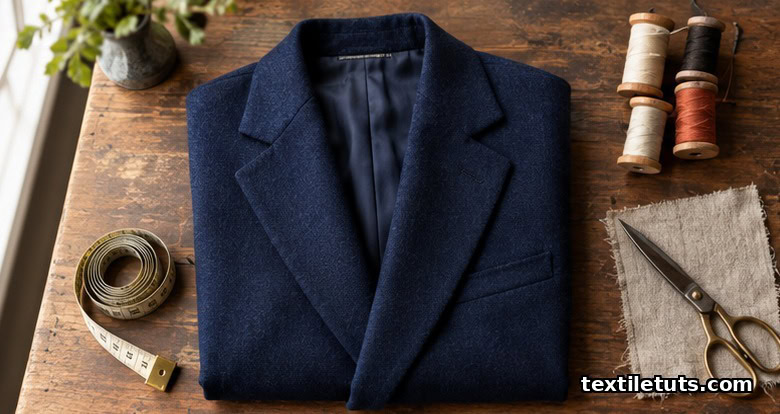
The 50% rule determines when tailoring makes economic sense: if alteration costs exceed 50% of a new equivalent garment’s price, buy new instead. Tailoring clothes is worth it when the alteration cost is less than half the price of buying a new equivalent garment — for simple fixes like hemming ($15–$40) or waist intake ($30–$60), even budget clothing benefits. Structural alterations affecting shoulders, arms, or chest width cost $75–$150 or more, often exceeding the value of off-the-rack replacements under $100.
When Does the 50% Rule Determine if Tailoring Is Worth It?
The 50% rule states that if your alteration cost divided by the price of a comparable new garment is less than 0.50, tailoring is almost always the smarter financial move. This threshold applies to approximately 80% of alteration decisions most people face with their wardrobes. The rule works because it compares the cost of solving today’s problem against the cost of replacing the entire item — when the math tilts past 50%, the smarter move is to invest in a better-fitting new garment rather than pour money into structural work on something that was never designed to be altered.
Consider two real scenarios. A $35 hem on a $120 blazer comes to just 29% of the new garment’s cost — an easy yes. But a $90 shoulder reconstruction on an $80 jacket hits 112% of the garment’s value, meaning spending more on the alteration than the item itself costs. A tailor’s labor, the garment’s remaining life, and your budget all align in favor of preservation when the ratio stays below 50%.
What makes this rule reliable is that it doesn’t require guessing about quality or future wear. You’re simply comparing the cost of solving today’s problem against the cost of replacing the entire item. When the math tilts past 50%, the smarter move is to invest in a better-fitting new garment rather than pour money into structural work on something that was never designed to be altered.
Which Alterations Deliver the Best Return on Investment?
These alterations have near-universal payoff because they are low-cost, fast, and produce immediate, measurable improvements in how a garment fits and functions. Each costs less than $60 and typically takes 20–30 minutes of labor, delivering the highest cost-per-wear improvement of any alteration type.
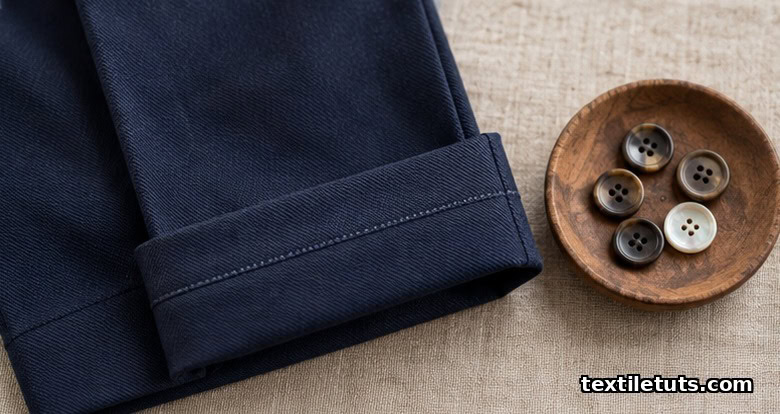
- Length adjustments are low-cost, fast, and high-impact on fit. Hemming pants or skirts ($15–$40) transforms the look of trousers by eliminating fabric that pools at the shoe top and gives any lower-cut shoe a clean line. For women, skirt hemming also changes proportion, making legs appear longer. A tailor can complete this alteration in 20–30 minutes.
- Waist intake extends a garment’s wearable life significantly. Taking in waistbands ($30–$60) adapts fit after weight changes, which affect wardrobe fit more than any other single measurement. A waist reduction of 1–3 inches extends wear in trousers, skirts, and structured dresses where the waist defines the silhouette. Most garments have enough seam allowance to allow 1–1.5 inches of adjustment.
- Sleeve shortening preserves shoulder structure while improving proportion. Sleeve shortening ($25–$50) is straightforward for most jackets, blazers, and coats where sleeve length is the only issue. A tailor can shorten sleeves without disassembling the entire garment, preserving the shoulder structure and lining. This alteration is particularly valuable for off-the-rack suit jackets, which are rarely proportioned correctly for people with shorter arms.
- Button replacement refreshes the entire garment at minimal cost. Upgrading worn or plastic buttons to higher-quality alternatives — horn, corozo, mother-of-pearl — costs $8–$25 and makes a jacket look deliberately styled rather than simply maintained. Quality buttons cost as little as $3–$8 each in notion stores, and fresh buttons transform an aging garment’s appearance.
- Letting out seams is the most reversible alteration available. Most garments are cut with seam allowance — extra fabric inside the seams — which allows a tailor to add 0.5–1.5 inches of room in the waist, hips, or chest for $25–$45. If your body changes again, the seams can be taken back in, making this alteration ideal for anyone whose weight fluctuates seasonally.
Which Alterations Cost More Than They’re Worth?
These alterations require dismantling so much of the garment’s structure that the tailor’s labor alone exceeds what the item is worth. Each exceeds the 50% threshold when the original garment costs under $150 — at these price points, replacement with a correctly sized equivalent delivers better value than alteration.
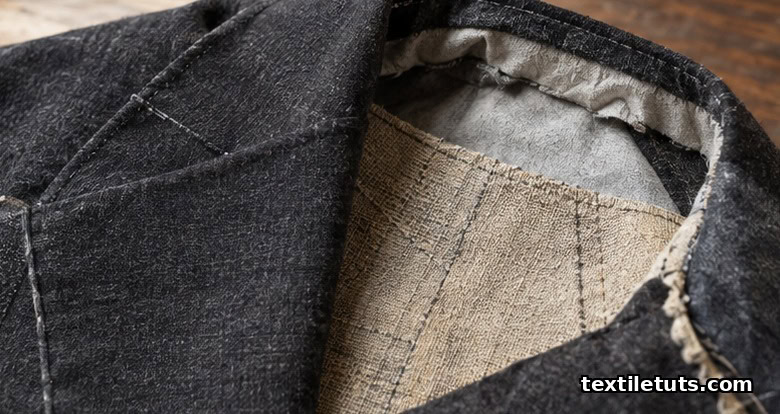
- Shoulder adjustments cost $75–$150+ but frequently damage fused-construction garments. The shoulder is the foundation of how a garment hangs. Adjusting it requires disassembling the entire shoulder seam, modifying or replacing the interlining, and reconstructing the sleeve cap. On fused-construction garments — which includes most budget and mid-range blazers — this process frequently causes the collar to pucker and the front panel to ripple. At $75–$150 or more, you’re approaching or exceeding the price of a new, better-fitting jacket.
- Full bust or chest restructuring costs $100–$200+ and risks subtle distortion. These alterations change the fundamental geometry of how a garment is cut. A tailor must recut the relevant panels, reposition darts, and rebalance the entire silhouette. The result can look noticeably different from the original design — sometimes subtly wrong in ways that aren’t apparent until you wear it. At this price point, replacement with a correctly sized garment is usually the better investment.
- Extending sleeve length costs $50–$80 and faces fabric availability limits. Unlike shortening, extending sleeves requires adding fabric — and most garments don’t have enough seam allowance at the sleeve hem to allow this. A tailor may need to source matching fabric, which adds both cost and complexity. Limited fabric availability means the result can look unfinished, with a subtly different color or texture at the new cuff edge.
- Neckline alterations cost $50–$100 and risk permanent distortion. Neckline alterations affect the garment’s drape and proportion throughout. On dresses and blouses, moving the neckline by even an inch changes how the bodice falls across the chest and shoulders. The risk of distortion is high, and on fused collar constructions, the adjustment can weaken the interfacing permanently.
- Reworking denim fades or distressing costs $50–$100+ and destroys the original finish. Professional alteration removes the original wash treatment applied at the factory. Sandblasted, laser-cut, or chemically distressed denim loses its character entirely when restructured. If you paid a premium for pre-faded jeans, taking them to a tailor for waist or seat work eliminates the very feature that made them worth buying.
When Should You Skip Tailoring and Buy New?
Even when the math of the 50% rule says to tailor, the fabric and construction of the garment itself can override that decision. Some clothing is simply not built to be altered, regardless of cost. The 50% rule operates on pure financial logic, but garment construction determines whether an alteration investment pays dividends or simply accelerates the garment’s replacement.
Budget clothing under $50 is the clearest case. Polyester blazers, fused-collar dress shirts, and garments with synthetic linings are cut with minimal seam allowance and use adhesives rather than hand-stitched interlining throughout. When a tailor tries to restructure these pieces, the fused layers separate at the seams, causing puckering, bubbling at the collar, and rippling along the front placket. You end up with an altered garment that looks worse than the original fit issue. The fabric simply does not have the structural integrity to hold a new shape.
Fast-fashion items with exposed zippers or glued seams are similarly poor candidates. Many trend-driven garments from high-volume retailers are assembled with heat-sealed or glued closures rather than sewn seams. These pieces lack the seam allowance a tailor needs to make adjustments — there is simply no fabric to let out or take in. Additionally, glued construction responds poorly to the heat and pressure of alteration work, and the adhesive bond can fail entirely in the cleaned areas.
Trend pieces you may not wear in two years are worth reconsidering before investing in alterations. Tailoring is not just a financial commitment — it is an emotional one. A commitment to have a garment altered implies you plan to wear it repeatedly over an extended period. If a piece is tied to a specific trend cycle or lifestyle that is temporary, the alteration cost will never be recovered in wear value. Let the garment go and invest in pieces with longer wardrobes potential.
Items requiring more than two major alterations compound cost quickly. Each additional alteration adds labor, materials, and risk of something going wrong. When a single garment needs shoulder work, waist adjustment, and sleeve shortening, the combined alteration bill typically approaches or exceeds what a new, correctly sized equivalent would cost — with a better result in terms of how the finished garment looks and hangs.
Why Does Garment Quality Change the Tailoring Decision?
The 50% rule operates on financial logic, but it doesn’t account for the quality multiplier — the way a well-chosen, well-maintained premium garment holds and grows its value in ways a budget item never can. When you are working with high-quality pieces, the economics of tailoring shift dramatically in favor of alteration. Natural fibers respond to tailoring fundamentally differently than synthetic alternatives, and heritage brands introduce resale and collector value that transforms the alteration calculus.
Consider a $300 wool blazer that needs a $45 hem. The arithmetic is simple: you invested $345 total in a garment that will last 10–15 years with proper care. That $45 represents a cost-per-year of roughly $3–$4.50 — less than a cup of coffee — for a garment that looks sharp, drapes correctly, and fits like it was made for you. The same $45 hemmed into a $40 polyester blazer costs more than the original garment itself and will still look like a budget garment regardless of the alteration quality. The fabric quality determines whether an alteration investment pays dividends or simply delays the inevitable replacement of a garment that was never built to last.
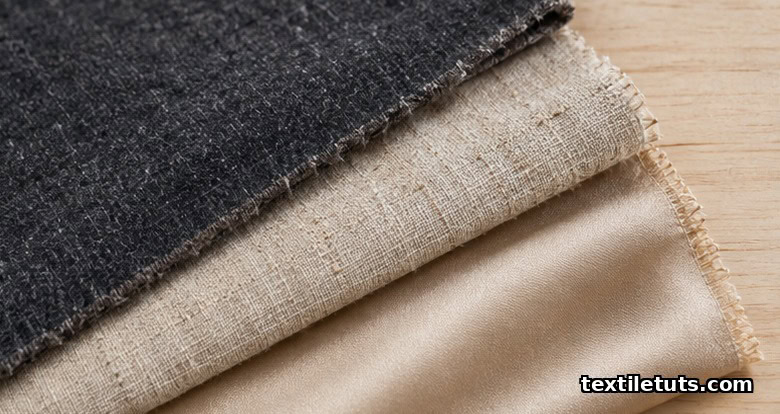
Natural fibers — wool, linen, silk, and cashmere — respond to tailoring fundamentally differently than synthetic alternatives. Wool has fiber memory: it can be restructured, steamed, and reshaped by a skilled tailor and will hold the new form through years of wear and cleaning. Linen softens beautifully with age and laundering while retaining structural integrity. Silk responds to careful hand-manipulation in ways that produce a fluidity no synthetic can replicate. By contrast, synthetic fibers like polyester have limited memory, lower density, and a tendency to pucker or distort after major alterations because they cannot handle the heat and tension of restructuring work the way natural fibers do.
Heritage and vintage brands introduce a third dimension: resale and collector value. Garments from Harris Tweed, Pendleton, vintage Levi’s, and other historically significant manufacturers are recognized by collectors and resellers for their construction quality and historical provenance. A properly tailored Harris Tweed sport coat or a hemmed vintage Levi’s trucker jacket can command prices at or above the original retail value. The alteration investment here is not just in comfort and fit — it is in the preservation and potential appreciation of a wearable artifact. For these pieces, the tailoring decision is less about cost recovery and more about being a responsible steward of something with genuine heritage value.
How Do Emotional and Environmental Factors Affect Tailoring Decisions?
Pure economics do not fully capture the value of a garment. Some pieces carry emotional weight that makes any cost-ratio calculation irrelevant. A wedding dress, a father’s suit worn to every important occasion, a vintage coat discovered at an estate sale — these items hold meaning that cannot be measured in replacement cost. For these pieces, finding a skilled tailor and investing in proper restoration is not a financial decision at all; it is an act of care and preservation that exceeds any spreadsheet calculation.
The environmental argument for tailoring is equally compelling. The fashion industry accounts for approximately 8–10% of global carbon emissions — more than international aviation and shipping combined — and clothing production consumes roughly 1.5 trillion cubic meters of water annually. The average garment is worn only 7–10 times before being discarded. Extending the active life of a single garment by two to five years — achievable through proper fit, repair, and targeted alterations — reduces its per-wear environmental footprint by 20–40%. One tailored quality garment that lasts a decade represents a substantially smaller environmental footprint than three to five fast-fashion replacements cycling through the same period.
The practical wear argument reinforces this. Clothing that fits properly is worn more frequently and with greater satisfaction. When a jacket sits in the closet because the sleeves are a quarter-inch too long or the waist doesn’t sit where it should, it trains you to reach for the easier choice. Tailored clothing eliminates that friction. The combination of better fit, higher comfort, and greater confidence from wearing something that looks deliberately chosen rather than generically sized produces measurably more wear cycles — and more wear cycles per garment is both the financial and environmental goal.
The compounding financial benefit of the quality multiplier combined with proper tailoring is stark in practice. One $350 wool blazer, properly tailored with initial alterations and occasional maintenance (new buttons every few years, occasional pressing), will outlast and outperform three to five $60 fast-fashion blazers purchased over the same decade. The cost-per-wear calculation shifts dramatically in favor of the quality tailored piece — and that analysis does not yet account for the environmental cost of manufacturing and disposing of five fast-fashion garments.
When you factor in the full picture — financial cost per wear, environmental impact, emotional satisfaction, and wardrobe longevity — the case for tailoring high-quality garments and making deliberate, informed decisions about which items to alter becomes overwhelming. The 50% rule gives you a quick decision framework for the common cases, but the deeper principle is simpler: invest in what is built to last, and maintain it well enough that it does.
Frequently Asked Questions
Cheap Blazers Under $100 Are Rarely Worth Tailoring
No — tailoring is rarely worth it on blazers under $100 because most use fused (glued) interlining that won’t hold tailoring adjustments, and the fabric quality is too low to respond well to restructuring. The collar will often pucker after shoulder work. The seams on budget blazers are cut with minimal allowance, leaving a tailor with little room to work, and the polyester outer fabric lacks the density to hold a new shape through repeated wear and cleaning.
Professional Pant Alterations Cost $25–$120 Depending on Scope
Professional pant alterations typically cost $25–$50 for a standard hem, $35–$60 to take in the waist, and $40–$70 to taper the legs. Full restyling (crotch, seat, thighs) runs $75–$120. Always get an itemized quote before approving work, and specifically ask whether the tailor has enough seam allowance in the waist and seat to achieve the fit you want. Some off-the-rack pants are cut with almost no allowance, making waist intake impossible without adding fabric.
Hemming Jeans Is Almost Always Worth the $15–$30 Investment
Yes — hemming jeans ($15–$30) is almost always worthwhile since proper length improves proportion significantly. Waist intake ($30–$45) is viable if the jeans have enough seam allowance — check by looking inside the waistband for exposed fabric at the seam. Avoid altering distressed or whisked jeans, as the alteration destroys the factory-applied wash treatment and leaves you with a faded, uneven result. Raw-hem or cuffed denim that is correctly proportioned in length rarely needs alteration at all.
The 50% Rule: Tailoring Costs Should Stay Below Half the Garment Price
Use the 50% rule: if the alteration costs exceed 50% of the price of a comparable new garment, buy new instead. For sentimental or high-quality items, value extends beyond economics. Simple fixes — hem, waist, button — are almost always worth the $15–$60 investment. When in doubt, get a quote and run the math before committing. A reputable tailor will give you an honest assessment of whether the result will be worth the cost, and many will tell you when an alteration isn’t viable rather than taking your money regardless.
References
- Ellen MacArthur Foundation. (2017). A New Textiles Economy: Redesigning Fashion’s Future. Ellen MacArthur Foundation.
- Quantis. (2018). Measuring Fashion: Environmental Impact of the Global Apparel and Footwear Industries. Quantis.
- McKinsey & Company. (2020). Fashion on Climate: How the Fashion Industry Can Urgently Act to Reduce Its Greenhouse Gas Emissions. McKinsey & Company.
- Cotton Incorporated. (2023). Fabric Care Guide. Cotton Incorporated.
- Intergovernmental Panel on Climate Change (IPCC). (2022). Climate Change 2022: Mitigation of Climate Change. Cambridge University Press.
- International Wool Textile Organisation (IWTO). (2021). Wool Care Labelling Guidelines. IWTO.


