
What Can a Tailor Actually Do? The Complete List of Alterations

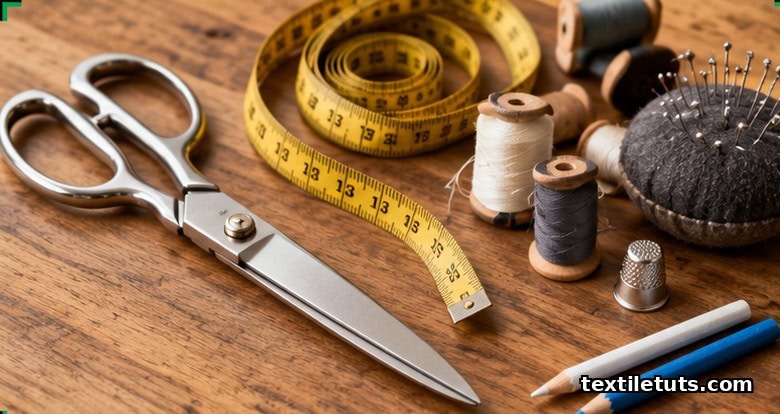
A professional tailor can perform over 40 distinct alteration types spanning structural changes (letting out, taking in, waistband adjustments), length modifications (hemming, raising hems, adding fabric), and repairs (replacing zippers, patching, restretching). These alterations extend a garment’s wearable lifespan by 3–5 years and cost 60–80% less than replacement — making tailoring one of the most cost-effective wardrobe maintenance practices available.
What Is a Tailor and Why Alterations Matter
A tailor is a skilled craftsperson who adjusts, repairs, and restructures garments for fit and function. Unlike general seamstresses, professional tailors work primarily with structured garments — suits, blazers, trousers, and formal wear — and possess expertise in shaping fabric to complement the body’s contours. The craft combines precision measurement, hand stitching, and structural understanding of how garments are built.
Tailoring extends garment lifespan by 3–5 years with proper alterations. A well-made suit or pair of trousers represents a significant investment — quality wool suits from department stores start at $200 and designer labels easily exceed $1,000. Rather than discarding a garment that no longer fits perfectly due to weight fluctuations, purchases, or inherited pieces, professional alterations can restore optimal fit and extend years of additional wear.
Cost comparison: alterations range from $15–$150 depending on complexity, while replacement costs $50–$500 or more for comparable quality. Hemming a pair of trousers costs $15–$25 at most tailors, while letting out a waistband runs $20–$35. In contrast, quality replacement trousers start at $75–$150, and a comparable suit jacket alone can cost $200–$400. The economics favor alteration for quality garments that need fit adjustments.
Tailoring preserves quality items that no longer fit due to weight fluctuations, off-the-rack purchases that don’t quite match your measurements, or inherited garments from family members. Nearly 75 percent of custom-tailored suit stitching is still done by hand, demonstrating the craftsmanship that distinguishes professional tailoring from machine-based alterations.
For detailed techniques on specific alterations, consult our fabric care guide or learn about letting out seams to expand your understanding of what’s possible.
Waist and Body Fit Alterations: Common Adjustments for Better Fit
Waist and body fit alterations address the most common fit issues in ready-to-wear clothing, which is manufactured to standardized body measurements that rarely match any individual perfectly. These adjustments modify the core structure of garments to align with your specific proportions.
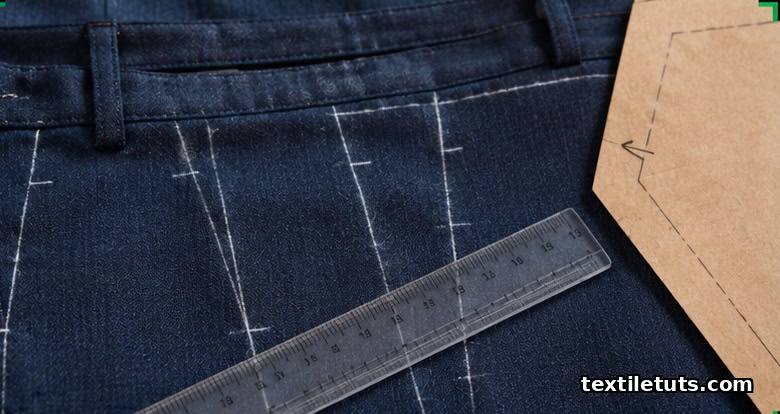
Letting out: This technique expands seams by 1–2 inches using the original seam allowance that manufacturers deliberately leave for future adjustments. A skilled tailor can release this hidden fabric to expand the waist, hips, or other areas. Once that allowance is exhausted, letting out is no longer possible without adding fabric or performing more extensive reconstruction work. Learn the letting out technique in detail.
Taking in: Reducing waist, seat, or shoulder width involves removing excess fabric through deeper seams. Tailors mark the excess, pin it out, and resew with precision to maintain the garment’s original silhouette while achieving a closer fit. Multiple alterations can accumulate to 2–3 inches of total reduction, though excessive taking in may affect pocket placement and overall balance. See our guide to taking in waist.
Waistband adjustments: Adding elastic for comfort, replacing hooks and eyes, or installing entirely new waistbands are common services. Aging waistbands that have stretched out of shape can be replaced with identical fabric cut from hidden areas like the inside waist, or upgraded with higher-quality hardware for improved durability.
Dart modifications: Bust, waist, and back darts shape fabric to follow the body’s curves. Moving or reshaping these darts requires careful disassembly and reconstruction but dramatically improves silhouette. A tailor can shift bust darts 1–2 inches higher or lower, or add new darts where none exist to create shaping in boxy garments.
Side seam adjustments: Balancing uneven hips or correcting waist-to-hip ratio problems involves redistributing fabric through the side seams. This alteration requires taking in one side while letting out the opposite side to maintain overall circumference while improving proportional fit.
Length Alterations: Hemming, Raising, and Adjusting Garment Length
Length modifications represent the most frequently requested tailoring services because standard sizing cannot account for individual limb and torso proportions. These alterations affect pants, skirts, sleeves, and body length.
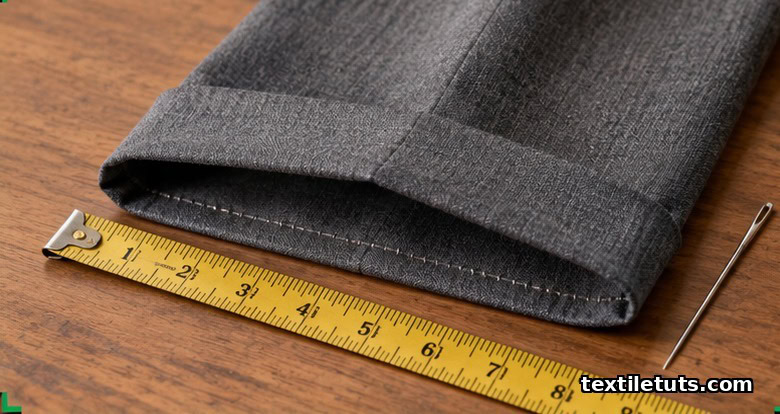
Hemming: Shortening pants, skirts, and sleeves is the bread and butter of tailoring work. Techniques include blind hemming (which creates a nearly invisible stitch on the front fabric), rolled hems common on denim and casual wear, and machine hems for heavy fabrics. Hemming costs typically range from $15–$25 for pants and $20–$35 for delicate fabrics like silk. Our hemming guide covers all these techniques.
Raising hems: When a garment is too short, tailors can lower waistbands to add length if the original fabric allows. This is only possible when sufficient additional fabric was originally left in the hem allowance — typically 1–3 inches depending on the garment’s original construction.
Sleeve length adjustments: Shortening or lengthening sleeves requires adjusting the sleeve cap (the curved top portion) to maintain proper set and appearance. Lengthening is limited by cuff or button placement, and extending beyond 1 inch may require adding fabric that could be visible at the cuff. Shortening is more straightforward and costs $20–$40.
Letting down hems: Releasing additional fabric from the original hem allowance adds length without requiring new material. This works best on garments where the original hem was made with generous allowance — common in children’s clothing and some European tailoring traditions.
Adding extension bands: Lace, fabric, or knit bands can lengthen sleeves or body length, particularly useful for petite individuals who need more coverage or those adapting garments for modest dress requirements. These extensions can be decorative as well as functional.
Structural and Shoulder Alterations: Modifying the Garment Framework
Structural alterations modify the garment’s framework — shoulders, sleeves, and torso — which requires the most technical expertise. These changes affect how the garment drapes and moves with the body.
Shoulder width adjustments: Narrowing or broadening shoulders is possible within limits of 0.5–1 inch maximum. Beyond this range, the entire armhole structure becomes compromised. Shoulder alterations are among the most expensive services, costing $75–$150 for narrowing, because they require restructuring the entire upper sleeve and side body panel.
Sleeve cap restructuring: Reshaping set-in sleeves for better armhole alignment corrects pulling, gaping, or restricted movement. This alteration modifies the sleeve head (the eased portion that creates volume at the shoulder) to achieve smoother sleeve placement without changing overall sleeve length.
Drop shoulder corrections: Fixing sleeves that pull or gap at the shoulder requires adjusting the angle at which the sleeve attaches to the body. This common issue in relaxed-fit garments can often be corrected by a skilled tailor without major reconstruction.
Collar adjustments: Refitting, reshaping, or replacing collars for improved neck comfort addresses gaps, flaring, or tightness. Collar alterations require removing the collar, adjusting the interfacing inside, and reattaching with corrected positioning. Severely stretched collars can be rebuilt using the original pattern.
Back alterations: Reducing excess fabric across the upper back, adjusting back length, and fixing “pool-table effect” (excess fabric bunching when seated) require modifying the back panel. These alterations improve comfort and appearance when the garment is in motion, not just standing.
Closure and Detail Replacements: Zippers, Buttons, and Hardware
Closures and hardware components experience the most wear in any garment. Replacing these functional elements restores both usability and appearance.
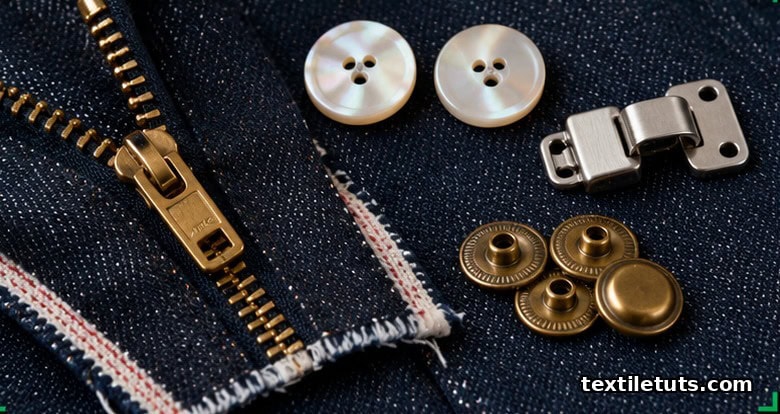
Zipper replacement: Tailors install standard, invisible, metal, and specialty zippers. Invisible zippers are concealed within a seam and provide a clean appearance for formal dresses and skirts. Metal zippers in heavy-duty weights are used for jeans, jackets, and workwear. Specialty zippers include two-way zippers for jackets and waterproof zippers for outerwear. Costs range from $20–$50 depending on zipper type and garment.
Button upgrades: Replacing buttons allows for aesthetic updates or functional improvements. Adding button loops, converting to snaps or hooks (for easier dressing, particularly useful for those with arthritis or dexterity challenges), and reinforcing button attachment with shank backs for heavier buttons are common services.
Hook and eye repairs: Replacing broken closures with professional-grade hardware restores waistband function. Hooks and eyes are available in various strengths — standard for lightweight fabrics, heavy-duty for coats and structured garments.
Hook-and-loop (Velcro) additions: Functional closures for elderly or disabled wearers can replace traditional buttons or zippers. While less aesthetically refined, Velcro provides the easiest operation for those with limited hand mobility. Quality velour-style Velcro is more discreet than the scratchy industrial variety.
Elastic replacements: Renewing worn elastic in waistbands, cuffs, and casings restores fit and comfort. Over time, elastic degrades from body heat, laundering, and general wear. Replacement costs $15–$30 per item depending on the length and type of elastic required.
Repair and Restoration: Extending Garment Life Through Skilled Work
Repair and restoration work addresses damage, wear, and age-related deterioration that would otherwise end a garment’s useful life. Skilled tailors can perform invisible repairs that extend wear by years.
Patch repairs: Fabric patches applied from inside or outside the garment reinforce tears, burns, or thin spots. Outside patches can be designed as decorative elements, while inside patches provide reinforcement without altering appearance. Matching fabric is sourced from hidden areas like hems, cuffs, or attached extra fabric.
Lining replacement: Full or partial lining exchanges in coats, jackets, and suits address issues like sweating, odors that won’t release, or physical damage. Linings can be upgraded to breathable fabrics like Bemberg rayon for improved comfort. Full lining replacement costs $75–$150, making it worthwhile for expensive garments.
Reweaving: Invisible repair of damaged weave structure in wool and silk addresses moth holes, snags, and localized wear without requiring a patch. Reweaving specialists (sometimes called invisible menders) can replicate the exact weave pattern by hand, creating repairs that are truly undetectable. This specialty service costs $50–$200 depending on hole size and fabric complexity.
Color restoration: Overdyeing, color matching, and spot dyeing services address fading, sun damage, or mismatched components. Complete overdyeing costs $75–$150 and can refresh an entire garment, while spot dyeing targets specific areas for $25–$50. Color restoration works best on single-color garments without significant pattern complexity.
Worn pocket repairs: Restitching, relining, or rebuilding pocket openings addresses one of the most common failure points in tailored garments. Pockets experience concentrated wear from keys, coins, and phone use. Professional repair reinforces the opening and replaces worn lining before complete failure occurs.
Suede and leather repairs: Specialized cleaning, color restoration, and small tear fixes address damage to leather garments. Leather repair specialists (often distinct from general tailors) can clean, recolor, and patch leather items, with costs ranging from $50–$200 depending on the service and garment value.
What a Tailor Cannot Do: Understanding Alteration Limitations
Understanding tailoring’s limitations prevents disappointment and helps you set realistic expectations before committing a garment to alteration work.
Fabric availability constraints: Alterations requiring more than 2 inches of change cannot be completed because ready-to-wear garments are cut with limited seam allowance. Once the original allowance is exhausted, expanding further requires adding fabric — which may not match and can compromise the garment’s integrity.
Design limitations: Completely restructuring a garment’s original design or silhouette is generally not possible. A tailor can improve fit within the existing design framework, but cannot transform a boxy blazer into a slim-cut style or change fundamental design elements like lapel shape or pocket placement.
Fabric damage: Permanent stains, discoloration, or sun damage cannot be removed through alteration. While spot dyeing can mask some discoloration by darkening the entire garment, chemical stains, bleach spots, and UV degradation permanently alter the fiber structure itself.
Lamination failures: Garments made from bonded laminates — fabrics where face fabric is glued to a backing — cannot be altered because delamination (the layers separating) is irreversible. Once bubbling appears between layers, the garment cannot be taken in, let out, or otherwise structurally altered.
Interfacing failures: Garments with fused interfacing that has failed (appearing as bubbling or puckering on the face fabric) cannot be altered. Fusing is a one-time heat-bonding process; once it fails, the interfacing cannot be re-fused without complete disassembly of the garment shell.
Dye removal: Reversing dye jobs or removing color treatments is not possible through tailoring. Once fabric is dyed, the color becomes permanent unless you overdye darker — you cannot lighten or remove color chemically.
Extensive moth damage: Localized patching works for isolated holes, but extensive moth damage throughout a garment exceeds practical repair. If more than 10–15% of the fabric surface shows damage, replacement is more economical than repair.
Non-woven materials: Felt and other non-woven materials cannot be successfully altered because they have no grain structure — seams will not hold regardless of stitching technique. The manufacturing process that creates felt produces a material with no structural integrity across the weave.
Matching Alterations to Garment Types: Typical Services and Costs
Different garments have different alteration potentials and typical cost ranges based on their construction complexity and the expertise required.
| Garment Type | Most Common Alterations | Typical Cost Range |
|---|---|---|
| Jeans/Pants | Hem, waist (let out/take in), seat | $15–$35 |
| Dress Shirts | Sleeves, darts, collar, sides | $20–$45 |
| Suits/Blazers | Shoulders, sleeves, waist, darts | $50–$150 |
| Skirts | Waist, hips, hem, lining | $25–$55 |
| Dresses | Waist, hem, straps, bodice | $35–$85 |
| Coats/Jackets | Shoulders, sleeves, hem, lining | $60–$175 |
| Leather Jackets | Sleeves, hem, hardware | $75–$200+ |
How to Find a Quality Tailor: Expert Tips for Wardrobe Care
Finding a skilled tailor requires knowing where to look and what questions to ask. The right tailor can extend your wardrobe investment by years; the wrong one can damage garments beyond repair.
Get recommendations: Ask for referrals from dry cleaners, bridal shops, or costume departments. These businesses work with tailors regularly and know who consistently delivers quality work. Bridal shops are particularly selective about their tailor recommendations since they depend on the tailor’s work for their own reputation.
Start with test alterations: Request minor work on low-stakes items before committing to major projects. A simple hem on an old pair of pants reveals the tailor’s attention to detail, stitching quality, and communication style without risking your most valuable garments.
Review their portfolio: Ask to see previous work on similar garments, particularly if you have specialized items like leather jackets, suits, or formal wear. Experienced tailors maintain photo examples or can show you garments currently in their shop.
Verify fabric expertise: Confirm experience with your specific fabric type. Wool, silk, linen, and leather each require different techniques and equipment. A tailor skilled with wool suits may not have the proper needles and thread for delicate silk or the specialized adhesives needed for leather.
Request estimates upfront: Professional tailors should provide written estimates before proceeding with any work. Be wary of tailors who quote prices without examining the garment or who cannot explain what the work involves. Quality alteration requires proper diagnosis of the garment’s construction and the scope of changes needed.
Frequently Asked Questions
How much can a tailor let out a garment?
Most garments have 1–2 inches of additional fabric in their original seam allowance. A skilled tailor can release this hidden fabric to expand the waist, hips, or other areas by 1–2 inches maximum. Once that allowance is exhausted, letting out is no longer possible without adding fabric.
Can a tailor fix pants that are too long?
Yes — hemming is the most common tailoring service. Pants can be shortened by cutting and rehemming, releasing the original hem if enough fabric was left, or adding a new hem with matching fabric. Crooked hems can also be rebalanced to correct uneven length.
Can you alter a suit jacket to fit a smaller frame?
Yes — common suit jacket alterations include taking in the waist (sides and back), narrowing shoulders (limited to 0.5–1 inch), shortening sleeves, and reducing darts. Major restructuring like changing the shoulder slope or reducing by more than 2 sizes requires re-cutting, which most tailors cannot perform.
How long do tailoring alterations take?
Simple alterations (hemming, button replacement) take 1–3 days. Complex work (waist restructure, lining replacement, leather repair) typically takes 1–2 weeks. Rush services are often available for an additional 50–100% surcharge. Budget tailors may take 3–4 weeks.
References
- Wikipedia. (2024). Tailoring. Wikimedia Foundation.
- The New York Times Wirecutter. (2025). Getting a Suit Tailored Is Less Intimidating Than It Sounds. Here’s How to Do It (And What It Will Cost). Wirecutter.
- The New York Times Wirecutter. (2025). Adaptive Tailoring Shouldn’t Cost More Than Standard Tailoring. Here’s What to Ask For. Wirecutter.


