
How to Remove Coffee Stains from Clothes: 6 Methods That Work

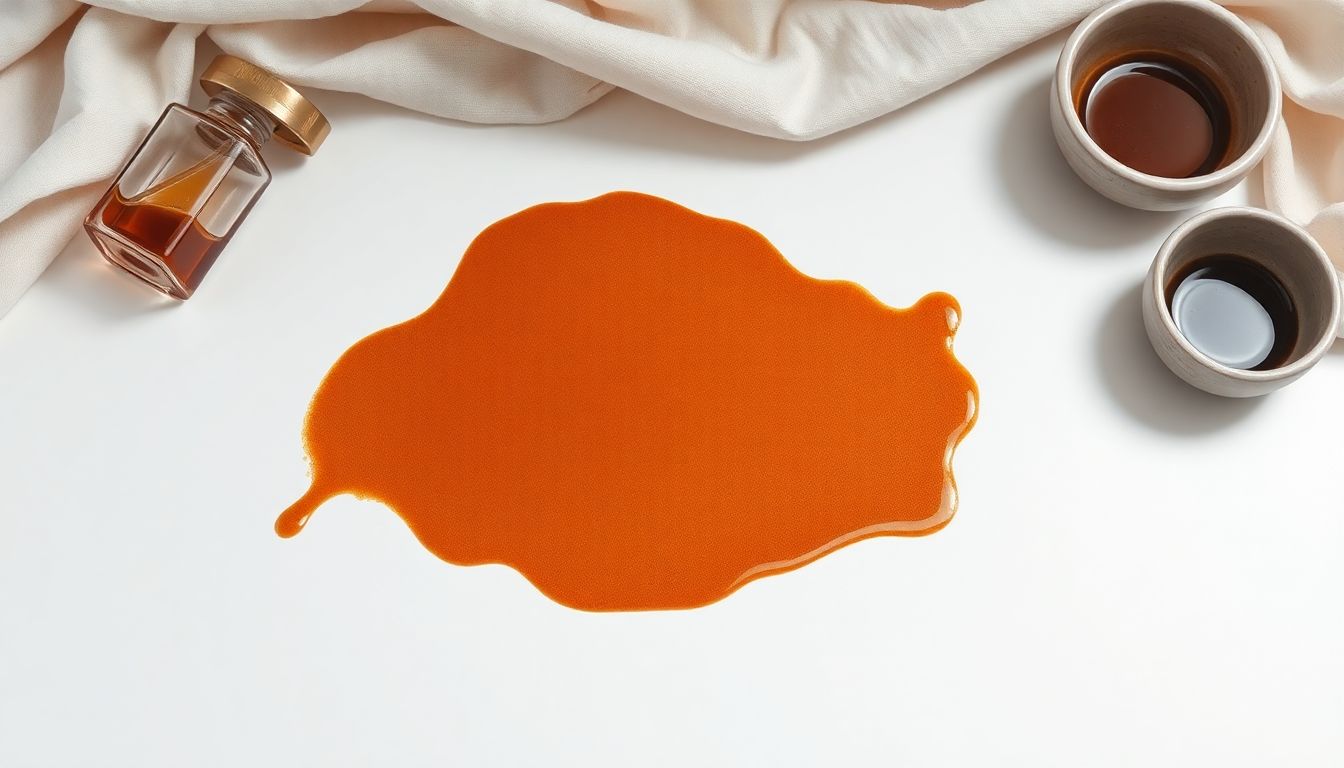
Coffee stains are tannin-based stains — they are water-soluble when fresh but oxidize and brown over time, becoming progressively harder to remove. Acting within the first 60 seconds gives the best results: blot excess liquid, flush from the reverse side with cold water, then apply a surfactant or enzyme cleaner. Dried coffee stains require an oxygen bleach pre-soak of 1–4 hours before washing.
Why Coffee Stains the Way It Does
Coffee contains tannins — polyphenol compounds that bind to both protein fibers (wool, silk) and cellulose fibers (cotton, linen). This binding is what makes coffee stains so distinctive: the brown color comes from oxidized polyphenols trapped in the fiber matrix.
Fresh coffee is water-soluble. When a spill happens, the tannins have not yet oxidized or bonded strongly to fabric — at this stage, cold water and a basic surfactant like dish soap removes most of the stain. However, atmospheric oxygen causes the tannins to polymerize and darken within 5 to 30 minutes. The longer this oxidation proceeds, the more firmly the stain sets.
Heat dramatically accelerates this process. Once coffee penetrates fabric, exposing it to hot water or a dryer heat-sets the stain permanently by driving the tannin compounds deeper into the fiber structure and completing the oxidation reaction. This is why the cardinal rule of stain removal is: never apply heat to a coffee stain until you are certain it is completely gone.
The chemistry at play is straightforward. Surfactants in dish soap have a hydrophilic head and a hydrophobic tail — the tail embeds in the tannin oil droplet while the head allows it to be washed away with water. Enzyme detergents go further by chemically cleaving the polyphenol structures themselves, breaking large stain molecules into smaller, water-soluble fragments that rinse away.
The 60-Second Emergency Response
The single biggest factor in coffee stain removal is time. The first 60 seconds after a spill offer the highest probability of complete stain elimination. Here is the exact sequence:
- Blot immediately with a clean white cloth — press firmly to absorb as much liquid as possible. Never rub: friction spreads the stain laterally and forces liquid deeper into the fiber bundle.
- Flush with cold water from the REVERSE side of the fabric. A counterintuitive but critical step: applying water pressure from behind pushes the stain outward through the fabric, rather than driving it deeper. Hold the fabric taut under a running cold tap with the reverse facing the water flow.
- Apply a pre-treatment product — a clear dish soap, enzyme detergent, or commercial tannin stain remover. Work it in gently with fingertips or a soft brush. Do not let it dry out.
The salt method buys time by absorbing liquid before the tannins bond to fibers. Apply it immediately and flush with cold water at the first opportunity.
Dish Soap Removes Fresh Coffee Stains Effectively
Dish soap is the most accessible and effective tool for a fresh coffee spill. Choose a clear or light-colored formula to avoid introducing a secondary stain.
- Apply 3–5 drops of clear dish soap directly onto the stain.
- Work in gently with fingertips or a soft-bristled brush using small circular motions. Do not scrub aggressively.
- Let sit for 5 minutes. The surfactants will begin emulsifying the tannin compounds.
- Rinse thoroughly with cold water, flushing from the reverse side.
- Wash at the highest safe temperature for the fabric. Cold or warm wash is appropriate for most synthetics; warm is safe for durable cotton once the stain is pre-treated.
Dish soap works because its surfactant molecules surround tannin particles, with hydrophobic tails embedding in the stain and hydrophilic heads facing outward — forming an emulsion that water can carry away. For a stain that is still wet, this alone can achieve 90–100% removal.
Salt and Cold Water Absorb Fresh Coffee Spills in Emergencies
Salt is a mild absorbent and is effective in the immediate aftermath of a spill when no cleaning products are within reach. It works by drawing the liquid out of the fabric before the tannins penetrate fully.
- Generously sprinkle table salt (or Kosher salt) directly onto the wet stain. Use enough to cover the stain completely in a thin layer.
- Let stand for 2–3 minutes. The salt will begin absorbing the coffee liquid.
- Brush off the salt with a clean cloth or soft brush.
- Flush thoroughly with cold water from the reverse side.
- Follow with dish soap or enzyme treatment at the earliest opportunity.
Salt delays tannin-fiber bonding but does not remove stains on its own. It is a holding action, not a cleaning action. Always follow with a proper surfactant or enzyme treatment.
Enzyme Detergents Break Down Dried Coffee Stains
Enzyme detergents are the most effective tool for dried coffee stains because enzymes specifically target and break down the polyphenol structures in tannins. Unlike surfactants, which work on the surface of a stain, enzymes digest the stain at a molecular level.
- Fill a basin or sink with cold to lukewarm water (not hot — high heat can set any remaining stain).
- Add enzyme-based laundry detergent (brands such as Persil, Tide, or Ariel) at the dose recommended for a heavy soil wash. Agitate briefly to dissolve.
- Fully submerge the stained item. Soak for 30 minutes for moderate stains, up to 4 hours for older, darker stains.
- After soaking, rinse thoroughly with cold water.
- Wash at the highest safe temperature for the fabric. Warm water is appropriate for cotton and polyester; cold wash for wool and silk.
Protease and mannanase enzymes are particularly effective on coffee stains because they cleave the peptide and carbohydrate bonds in tannin-protein complexes. Soaking time should be extended to 4 hours for stains that have been dried and may have some oxidation. Enzyme pre-soaks are safe for colored fabrics when used in cold water, as they do not contain bleaching agents that affect dye.
Oxygen Bleach Lifts Set-In Coffee Stains
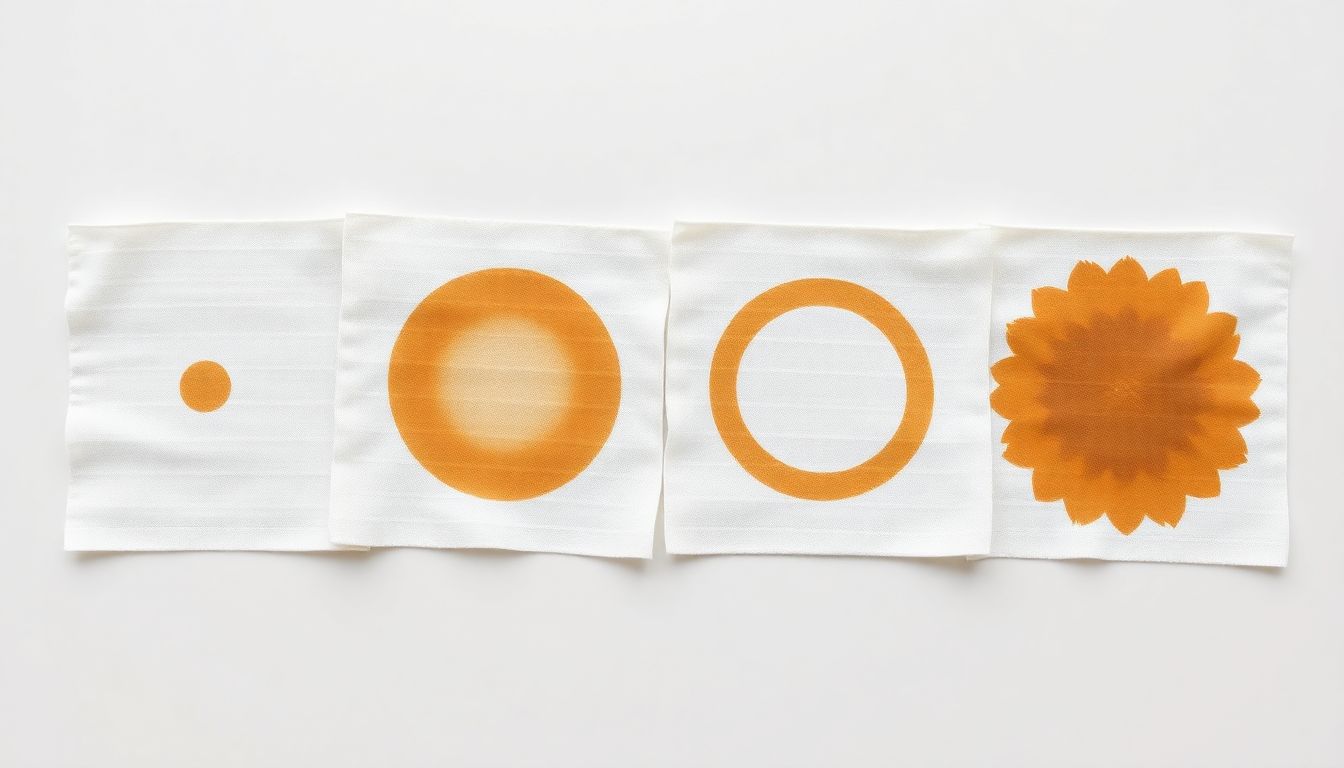
Oxygen bleach (sodium percarbonate) is the most powerful consumer-grade stain removal option for stubborn, dried coffee stains. It works through oxidation: when dissolved in warm water, sodium percarbonate releases hydrogen peroxide, which breaks the chemical bonds in the tannin molecules and bleaches the brown color out of the stain without dissolving the fabric fibers.
- Mix OxiClean powder with warm (not hot) water according to the package instructions — typically 1 scoop per gallon.
- Stir until fully dissolved. Submerge the stained item.
- Soak for 1–4 hours. For severe, dark brown set stains, soak up to 6 hours.
- Wring out and wash as normal, at the highest safe temperature for the fabric.
Oxygen bleach is effective on cotton, polyester, linen, and most synthetics. It is not safe for wool, silk, leather, or any protein fiber, as the alkaline environment and oxidation process can degrade these materials. Always check the fabric care label first.
The oxidation mechanism is chemically distinct from chlorine bleach. Rather than breaking fibers or damaging dyes through a harsh chemical reaction, oxygen bleach adds oxygen to the stain molecules, making them colorless and water-soluble. This makes it significantly gentler on fabrics while being equally effective on aged stains.
White Vinegar Dissolves Fresh Coffee Stains Naturally
White vinegar (5–8% acetic acid) is an effective natural alternative for fresh coffee stains and can assist in lifting moderate dried stains. The mild acid helps break the bond between tannin molecules and fabric fibers.
- Apply white vinegar directly to the stain, saturating it fully.
- Let sit for 5 minutes. You may see the brown color begin to lift.
- Blot with a clean cloth to absorb the dissolved stain and vinegar.
- Rinse thoroughly with cold water.
- Follow with dish soap treatment if any stain remains.
Vinegar is safe for cotton, polyester, linen, and colored items and is particularly useful as a secondary treatment after an enzyme pre-soak has loosened the stain. Its acidity also helps neutralize any alkaline residue from hard water or laundry detergents. Do not use vinegar on silk — the acid can affect the protein structure over time.
Commercial Stain Removers Target Coffee-Specific Compounds
Commercial stain removers formulated specifically for tannin stains offer targeted chemistry. Three products with strong consumer track records for coffee stains:
- Carbona Stain Devils (Tannin formula) — specifically designed for coffee, tea, red wine, and fruit juice stains. Apply, let dwell 5–10 minutes, launder.
- Spray ‘n Wash — a pre-treater spray that breaks down tannin compounds on contact. Spray, rub gently, launder within 5 minutes.
- Stain-X — contains a tannin-specific enzyme blend. Apply directly, let sit 5 minutes, launder.
All three products share a common approach: a blend of surfactants to emulsify the stain and mild enzymes to digest the polyphenol structure. They are most effective within 30 minutes of a spill and offer incremental improvement on dried stains when combined with an overnight enzyme pre-soak.
Coffee Stains on Specific Fabrics
Different fabrics require different approaches due to their fiber composition. The colorfastness, fiber strength, and chemical sensitivity of each material dictates which methods are safe and effective.
| Fabric Type | Recommended Method | What to Avoid |
|---|---|---|
| White cotton | OxiClean soak (1–4 hrs) → hot wash. For stubborn stains, apply 3% hydrogen peroxide directly for 10 minutes. | Chlorine bleach on colored prints; hot water before pre-treatment |
| Colored cotton | Enzyme pre-soak (30 min–4 hrs) → warm wash. Test colorfastness first on hidden seam. | Chlorine bleach; hot water before pre-treatment |
| Wool | Cold water flush only for fresh stains. Dry clean for severe or dried stains. | Enzyme detergents — protease and proteolytic enzymes hydrolyze wool protein fibers; OxiClean; hot water |
| Silk | Cold water + 1 drop clear dish soap gently worked in. Rinse immediately. | Enzyme detergents; OxiClean; vinegar can be used sparingly; hot water |
| Polyester | Enzyme detergent pre-soak → warm wash. Air dry to verify stain is gone before heat drying. | Heat drying before confirming stain removal; high heat wash cycles |
The critical distinction between fabric types is protein fibers (wool, silk) versus cellulose fibers (cotton, linen) versus synthetic fibers (polyester, nylon). Enzyme detergents are safe for cellulose and synthetic fibers but destructive to protein fibers because the same proteolytic activity that breaks down tannin-protein complexes also breaks down the wool or silk fiber itself.
For fabrics prone to shrinkage, always use cold water for pre-treatment and initial soaking. Heat and agitation are the two primary drivers of shrinkage in wool and cotton, so minimizing both during stain treatment is essential.
Frequently Asked Questions
Coffee Stains Rarely Set Permanently When Treated Immediately
Fresh coffee rarely stains permanently if treated immediately. Dried coffee stains that have gone through a hot dryer are very difficult to remove and may be permanent. Always treat stains before drying.
Enzyme Pre-Soaks and OxiClean Remove Most Dried Coffee Stains
Yes — an enzyme detergent pre-soak (30 min–4 hours) followed by OxiClean soak is effective on most dried coffee stains. The older the stain, the longer the pre-soak time needed.
Cold Water Prevents Coffee Stains from Setting
Cold water always first for coffee stains. Hot water causes tannins to bind more strongly to fabric. Once the stain is pre-treated and largely removed, warm water in the final wash is fine.
References
- American Association of Textile Chemists and Colorists (AATCC). Test Method 61-2013: Colorfastness to Washing. AATCC Technical Manual. https://www.aatcc.org/
- CottonWorks. (2019). How to Remove Coffee Stains from Clothing. https://www.cottonworks.com/
- Wikipedia. Stain Removal. https://en.wikipedia.org/wiki/Stain_removal
- International Wool Textile Organisation (IWTO). Wool Care Guidelines: Fibre Structure and Chemical Sensitivity. https://www.iwto.org/
- ASTM International. ASTM D4265-14: Standard Guide for Evaluating Stain Removal Performance in Home Laundering. https://www.astm.org/


