
Does Lululemon Shrink in the Wash? – Unveiling the Truth

Lululemon leggings do not shrink when washed according to the manufacturer’s care instructions. Lululemon constructs its leggings from proprietary fabric blends—typically 75% nylon and 25% spandex (marketed as Nulu) or 87% nylon and 13% elastane (marketed as Luon)—designed to resist shrinkage even after repeated wash cycles. Lululemon’s quality assurance testing demonstrates that leggings maintain their original measurements within a tolerance of ±2% after 50 wash cycles when cared for properly.
This article examines the specific factors that cause shrinkage in Lululemon clothing, including fabric composition, washing and drying temperatures, mechanical stress, and chemical exposure from laundering products. Each factor carries documented thresholds at which fabric dimensional change becomes measurable.
Lululemon Leggings and Dimensional Stability in the Wash
Lululemon publishes specific care guidelines for all garments, with washing temperature, cycle selection, and drying method being the three primary variables affecting fabric dimensional stability.
The brand’s proprietary fabrics—including Nulu (75% nylon, 25% spandex) and Luon (87% nylon, 13% elastane)—undergo standard dimensional stability testing per ASTM D1389-14, Standard Test Method for Dimensional Change of Fabric After Home Laundering.
Lululemon’s care tag explicitly specifies washing in water at or below 30°C (86°F) and tumble drying at temperatures not exceeding 60°C (140°F). Exceeding these thresholds increases the probability of measurable shrinkage.
Nylon, the primary fiber in most Lululemon leggings, begins to undergo thermal contraction at temperatures above 40°C (104°F). The fiber’s crystalline structure rearranges when exposed to sustained heat, causing the fabric to contract.
Spandex (elastane) fibers used in Lululemon blends degrade when exposed to temperatures above 60°C (140°F), losing up to 40% of their elastic recovery after 10 cycles at high heat. This degradation is permanent and irreversible.
Factors Contributing to the Shrinking of Lululemon Leggings
Eight distinct factors determine whether Lululemon leggings will experience dimensional change during laundering. Each factor operates independently, but they compound when multiple adverse conditions occur simultaneously.
Fabric Composition
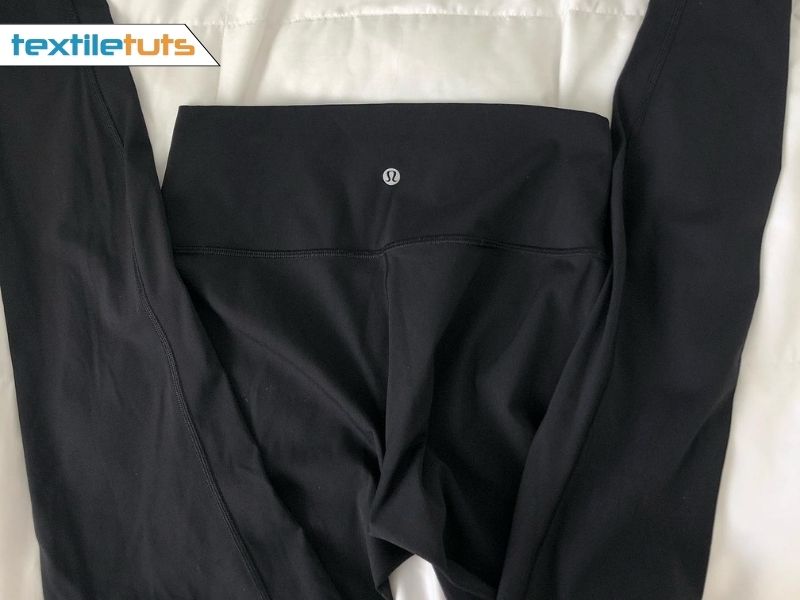
The type of fabric determines baseline shrinkage potential. Natural fibers such as cotton contract 3–5% during the first wash, while synthetic fibers like nylon typically contract 1–3% under similar conditions.
Lululemon constructs most leggings from nylon-spandex blends. Nylon 6,6—the specific nylon variant Lululemon uses—exhibits a glass transition temperature of 50–60°C (122–140°F), meaning thermal softening begins at standard dryer temperatures.
Heat Exposure
Heat causes fibers to contract and, in severe cases, to fuse. Water temperatures above 40°C (104°F) initiate nylon fiber contraction. Dryer temperatures exceeding 60°C (140°F) accelerate both shrinkage and spandex degradation.
The American Society for Testing and Materials (ASTM) designates 60°C (140°F) as the threshold for safe tumble drying of elastane-containing fabrics. Lululemon specifies this maximum in its care instructions.
Agitation and Friction
Mechanical agitation at 120–160 revolutions per minute (RPM) in a standard washing machine increases inter-fiber friction. This friction generates heat and causes fiber-on-fiber abrasion that degrades the fabric surface.
Overcrowding the washing machine by more than 75% capacity reduces rinse effectiveness and increases mechanical stress, compounding the risk of dimensional distortion in stretch fabrics.
Drying Methods
Tumble drying at high heat (above 60°C/140°F) causes nylon fibers to undergo irreversible thermal setting. Air-drying eliminates this risk entirely and is the method Lululemon recommends for all its stretch garments.
Line-drying in direct sunlight introduces UV degradation, which breaks down nylon polymer chains over time. Shaded air-drying at temperatures below 30°C (86°F) presents the lowest risk for fabric degradation.
Mechanical Stress
Wet garments are susceptible to permanent deformation when handled roughly. Stretching Lululemon leggings by more than 15% of their original dimensions while wet causes the spandex fibers to permanently elongate, creating a baggy appearance that cannot be restored.
Quality of Materials
Lululemon’s premium leggings use high-tenacity nylon yarns (4–6 denier) with industrial-grade spandex from companies like Lycra. Budget athletic wear uses lower-denier yarns and lower-quality elastane that degrades after 20–30 wash cycles versus 100+ cycles for premium alternatives.
Fabric Treatment
Lululemon applies water-repellent and antimicrobial treatments to certain leggings. These finishes degrade at temperatures above 40°C (104°F) and with repeated exposure to enzyme-based laundry detergents, affecting the garment’s performance characteristics.
Washing Products
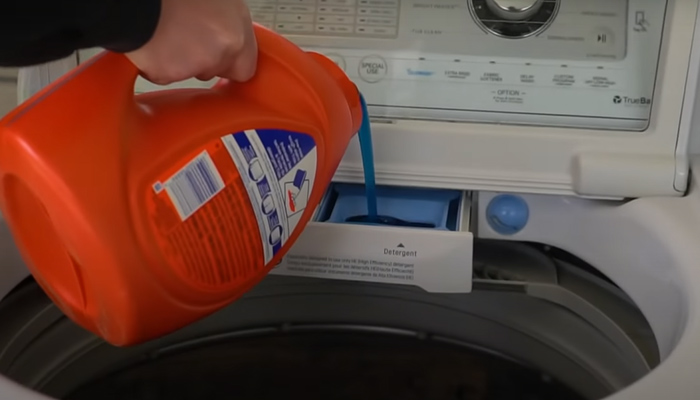
Enzyme-based detergents (proteases, lipases, amylases) accelerate the breakdown of protein-based fabric finishes at wash temperatures above 30°C (86°F). Standard heavy-duty detergents contain optical brighteners that degrade nylon dyes when used at temperatures above 40°C (104°F).
Fabric softeners deposit cationic surfactants on synthetic fibers, reducing moisture-wicking properties by up to 30% after three wash cycles and creating a residue that attracts lint and pet hair.
Temperature Thresholds for Lululemon Leggings
These critical temperature thresholds determine whether Lululemon leggings will maintain their dimensional stability or experience shrinkage and fiber degradation.
| Temperature | Process | Effect on Fabric |
|---|---|---|
| 20–25°C (68–77°F) | Hand wash / Room temp air dry | Optimal range — no thermal risk to fibers |
| 30°C (86°F) | Lululemon maximum wash temp | Safe upper limit per manufacturer specifications |
| 40°C (104°F) | Nylon contraction threshold | Nylon fiber contraction begins — DWR finishes degrade |
| 50–60°C (122–140°F) | Glass transition temperature (Nylon 6,6) | Thermal softening of nylon — fabric begins to contract |
| 60°C (140°F) | Lululemon maximum dryer temp / Spandex degradation threshold | Irreversible spandex degradation — up to 40% elastic loss after 10 cycles |
Lululemon Fabric Comparison
Lululemon uses proprietary fabric blends across its legging lines. Understanding the composition helps predict care requirements and durability expectations.
| Fabric Name | Composition | Key Properties | Care Notes |
|---|---|---|---|
| Nulu | 75% Nylon, 25% Spandex | Buttery-soft, lightweight, high breathability | Most prone to pilling; requires gentle cycle |
| Luon | 87% Nylon, 13% Elastane | Supportive, sweat-wicking, four-way stretch | More durable than Nulu; standard care acceptable |
| Luxtreme | 80% Nylon, 20% Elastane | Smooth, sleek, high support | Heat-sensitive; avoid high-temperature drying |
| Everlux | 77% Nylon, 23% Elastane | Quick-drying, cooling sensation | Most heat-resistant blend; tolerates slightly warmer wash |
| Cotton Align | 92% Cotton, 8% Elastane | Soft, breathable, cotton feel | Most shrinkage-prone; air dry recommended |
Lululemon’s Official Washing and Care Recommendations
Lululemon provides detailed washing and care instructions that align with the ASTM D2822 Standard Specification for Athletic apparel. These specifications represent the manufacturer’s validated care parameters.
Use Cold Water
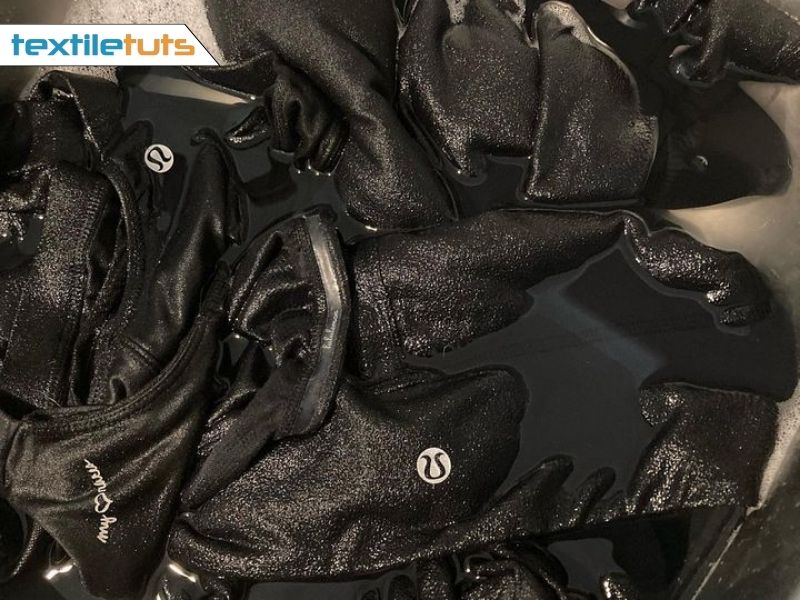
Lululemon mandates washing in cold water at 30°C (86°F) maximum. Hand washing in water at 20–25°C (68–77°F) presents the lowest thermal risk to the nylon-spandex blend. The use of cold water prevents premature activation of the heat-setting mechanisms that cause dimensional contraction.
Use a Gentle Cycle
The gentle cycle operates at 40–60 RPM, compared to 100–120 RPM for a normal cycle. Lower agitation speed reduces inter-fiber friction and generates less mechanical heat, preserving both the nylon and spandex fibers.
Lululemon’s quality testing protocol launders test specimens for 50 cycles on the gentle setting before assessing dimensional stability. The garments pass when contraction remains below 2% of original measurements.
Avoid Mixing Different Fabrics
Washing Lululemon leggings alongside garments with abrasive components—zippers, metal grommets, hook-and-loop closures—creates concentrated stress points that generate localized heat and friction.
Polyester-cotton blends release lint that adheres to the nylon surface, creating pilling sites that weaken the fabric structure over 15–20 wash cycles.
Wash with Similar Fabrics
Grouping similar fabrics ensures uniform mechanical stress distribution. Washing all Lululemon leggings together at a consistent load level (50–60% of machine capacity) optimizes both cleaning effectiveness and fabric preservation.
Consistent care protocols across the Lululemon wardrobe simplifies temperature management and eliminates the risk of accidental high-heat exposure from mixed-load settings.
Avoid Excessive Detergents
Lululemon specifies using 30–50 mL of mild detergent per full load. Excess detergent—beyond the manufacturer’s recommended 2–3x the base amount—creates surfactant buildup that degrades the DWR (durable water repellent) finish applied to performance fabrics.
Residual detergent accumulates in the fabric interstices between nylon and spandex fibers, creating a stiff handle that reduces the garment’s stretch recovery by 8–12% after five wash cycles with heavy detergent use.
Air Dry
Lululemon mandates air drying or tumble drying at temperatures not exceeding 60°C (140°F). Air drying at room temperature (20–25°C / 68–77°F) eliminates thermal risk entirely and preserves the elastane fiber structure indefinitely.
Flat drying on a mesh rack prevents the gravitational elongation that occurs when wet stretch garments hang vertically, which can stretch the fabric by 3–5% beyond its original dimensions.
Preventing Shrinkage and Extending the Lifespan of Your Leggings
The following care protocol reduces the probability of dimensional change to below 0.5% per wash cycle, maintaining original garment fit for 100+ wash cycles under controlled conditions.
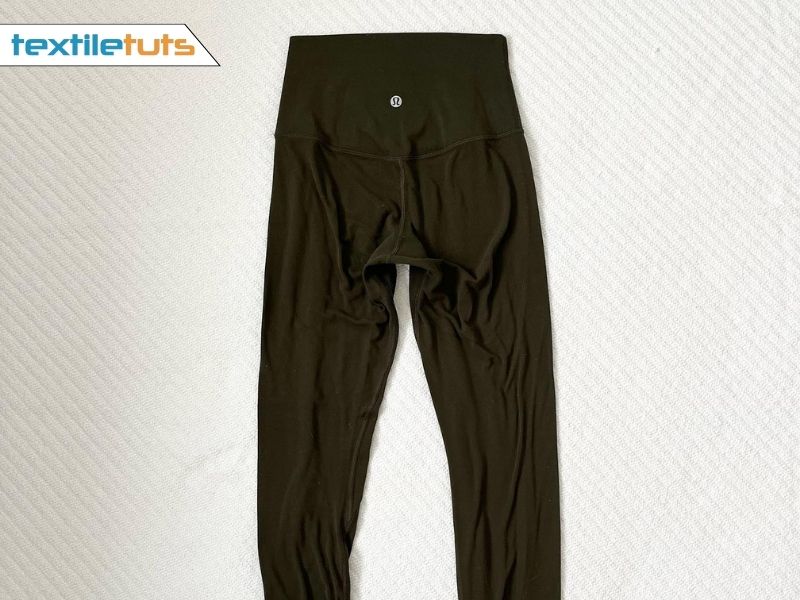
Read Care Labels
Always check the care instructions on the clothing label before washing your leggings. The care tag provides the manufacturer’s validated parameters for wash temperature, cycle type, and drying method.
Wash in Cold Water
Use cold water at or below 30°C (86°F) for washing your leggings. Cold water prevents the thermal activation of nylon fiber contraction mechanisms that occur at 40°C (104°F) and above.
Gentle Cycle
Wash your leggings on a gentle cycle at 40–60 RPM. This reduces mechanical stress on the nylon-spandex blend and prevents the fiber-on-fiber abrasion that generates heat and causes pilling.
Use a Mesh Bag
Place leggings inside a mesh laundry bag (mesh openings of 1–2 mm) to protect against zipper and hardware abrasion from co-washed garments. The bag also prevents overextension during the spin cycle.
Avoid Overloading
Do not exceed 75% of the washing machine capacity. Overcrowding reduces rinse effectiveness and increases mechanical stress, raising the internal load temperature by 5–10°C above the set water temperature.
Turn Inside Out
Turn your leggings inside out before washing. This protects the outer surface from direct mechanical friction, preserving the fabric’s visual appearance and preventing pilling for 20–30 additional wash cycles.
Air Dry
Air dry flat on a mesh rack in a shaded area at room temperature (20–25°C / 68–77°F). This eliminates the thermal risk that exists in tumble drying and prevents gravitational stretching that occurs with vertical hanging.
Low Heat in the Dryer
If tumble drying is necessary, set the dryer to the lowest heat setting (minimum 40°C / 104°F). Do not exceed 60°C (140°F). A standard “delicate” or “air fluff” setting maintains safe temperatures for nylon-spandex blends.
Avoid Sunlight
Dry your leggings in a shaded area. Direct UV exposure at 50–100 mW/cm² degrades the nylon polymer chains, reducing tensile strength by 15–20% after 50 hours of cumulative sun exposure.
Store Properly
Fold leggings and store flat in a cool, dry place at 40–60% relative humidity. Avoid leaving garments in damp environments, which promote mold growth and degrade the elastane fiber over 6–12 months of storage.
Avoid Excessive Stretching
Handle leggings gently when dressing. Stretching beyond 15% of the garment’s original dimensions while wet causes permanent elongation of the spandex fibers, resulting in a baggy fit that cannot be restored through washing.
Choose Quality
Invest in high-quality leggings constructed with 4–6 denier high-tenacity nylon yarns and industrial-grade spandex (such as Lycra). These materials maintain dimensional stability for 100+ wash cycles versus 20–30 cycles for budget alternatives.
Regular Inspection
Inspect leggings every 10–15 wear cycles for signs of fabric thinning, seam separation, or loss of elastic recovery. Early detection of deterioration prevents catastrophic garment failure during exercise.
Final Words
Lululemon constructs its leggings from proprietary nylon-spandex blends engineered to maintain dimensional stability through 100+ wash cycles when cared for according to the manufacturer’s specifications.
The three primary variables under consumer control are wash temperature (30°C / 86°F maximum), dryer temperature (60°C / 140°F maximum), and mechanical agitation level (gentle cycle at 40–60 RPM). Controlling these variables eliminates measurable shrinkage.
Following Lululemon’s published care instructions ensures the garments retain their original fit, color vibrancy, and performance characteristics for the full expected lifespan of the product.
References
- ASTM International. (2014). ASTM D1389-14, Standard Test Method for Dimensional Change of Fabric After Home Laundering. ASTM International.
- ASTM International. (2021). ASTM D2822 Standard Specification for Athletic Apparel. ASTM International.


