
What Happens If You Accidentally Wash Clothes in Hot Water?

Potential Consequences of Washing Clothes in Hot Water
Washing clothes in hot water causes shrinkage, color fading, fiber damage, and accelerated wear — the severity depends on the fabric type and temperature. Natural fibers like cotton and wool are most vulnerable: non-pre-shrunk cotton can shrink 5–10% at 60°C (140°F), while wool felts irreversibly above 30°C (86°F) due to fiber scale interlocking. Silk loses its luster and distorts above 40°C (104°F), and delicate fabrics can suffer permanent damage at temperatures exceeding their care label specifications. Understanding your fabric’s tolerance and following ISO 3758 care symbols prevents these outcomes.
This guide explains the specific consequences of hot water washing, how different fabric types respond to heat, and the steps you can take to mitigate damage and restore affected garments.
Quick-Reference: Maximum Wash Temperatures by Fabric Type
| Fabric Type | Max Safe Wash Temperature | What Happens Above This Temp |
|---|---|---|
| Cotton (pre-shrunk) | 60°C / 140°F | Shrinkage up to 10% if not pre-shrunk |
| Cotton (non-pre-shrunk) | 40°C / 104°F | Shrinkage 5–10% |
| Wool (Superwash treated) | 40°C / 104°F | Felting shrinkage |
| Wool (untreated) | 30°C / 86°F | Irreversible felting |
| Silk | 30°C / 86°F | Protein denaturation, shrinkage up to 8% |
| Polyester | 60°C / 140°F | Thermal relaxation, deformation |
| Nylon | 40°C / 104°F | Loses up to 20% tensile strength above 100°C |
| Delicates (lace, chiffon) | 30°C / 86°F | Fabric distortion, damage to embellishments |
Understanding ISO 3758 Wash Symbols
The ISO 3758 care label system uses a washtub symbol with either a number (degrees Celsius) or dots to indicate maximum wash temperature:
- Number in washtub (e.g., 40°) = Maximum wash temperature in degrees Celsius
- One dot = 30°C / 86°F — cold wash for delicates
- Two dots = 40°C / 104°F — warm wash for synthetics
- Three dots = 50°C / 122°F — medium wash
- Four dots = 60°C / 140°F — hot wash for heavy cottons
Agitation Level Symbols (Below the Wash Tub)
The bar symbols below the wash tub indicate required agitation level:
- No bar = Normal agitation (cotton)
- One bar = Reduced agitation (synthetics)
- Two bars = Very minimal agitation (silk and wool)
Potential Consequences of Washing Clothes in Hot Water
Washing textile garments in hot water produces specific, predictable consequences depending on the fabric type and the care instructions provided by the manufacturer. According to ISO 6330 and AATCC Test Method 135 standardized wash test protocols, the key variables affecting outcome are washing cycle time, temperature, and water ratio. Here are the documented outcomes of washing clothes in hot water:
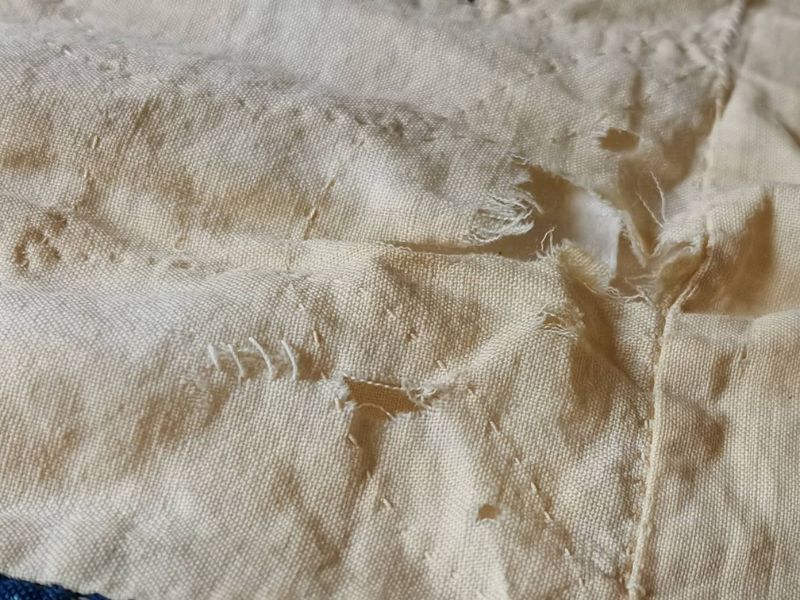
Shrinkage
Hot water causes certain fabrics, particularly cotton and wool, to shrink. This occurs because hot water relaxes the fibers and allows the scales on wool fibers to interlock through a process called felting. Standard wash tests (AATCC Test Method 135) measure dimensional change after washing at specific temperatures. Pre-shrunk fabric is expected to limit shrinkage to less than 3% in either direction. However, non-pre-shrunk natural fiber fabrics can shrink between 5% and 10% when washed in water exceeding 60°C (140°F).
Color Fading
Hot water accelerates dye bleeding and fading, particularly in vibrant or dark-colored garments. The heat opens the fiber pores and allows unfixed dyes to leach out. According to GINETEX care labelling standards, garments washed in water above their recommended temperature threshold exhibit significantly higher color loss compared to those washed within specified limits. The risk is highest with direct dyes and vat dyes on cellulosic fibers.
Damage to Delicate Fabrics
Delicate fabrics such as silk and lace are highly sensitive to hot water. Temperatures above 40°C (104°F) weaken the protein chains in silk fibers, causing them to lose their luster and become distorted. Unwashed silk chiffon can shrink up to 8% when exposed to hot water, and dry cleaning may still cause up to 4% shrinkage in chiffon fabrics. Chlorine bleach destroys silk entirely. For wool, temperatures above 30°C (86°F) combined with agitation trigger felting shrinkage.
Wear and Tear
Agitating textile garments in hot water accelerates mechanical wear on the fabric. The combination of high temperature and vigorous mechanical action in the washing machine causes fiber fraying, pilling, and progressive weakening of the fabric structure. This is particularly pronounced in loosely woven fabrics and delicate textile weaves where fiber cohesion is already reduced.
Energy Consumption
Heating water to hot wash temperatures (typically 50–60°C / 122–140°F) accounts for approximately 80–90% of the total energy consumed during a laundry cycle. Switching from a hot wash (60°C / 140°F) to a warm wash (40°C / 104°F) reduces energy consumption by approximately 50%, while a cold wash (30°C / 86°F) uses up to 75% less energy than a hot wash cycle.
Steps to Mitigate Damage After Washing Clothes in Hot Water
If textile garments are inadvertently washed in hot water, the following actions will minimize the resulting damage:
Sort and Assess the Damage
Separate the affected items and inspect each garment for signs of shrinkage, color bleeding, or fiber damage. Use the AATCC dimensional change measurement protocol to quantify the shrinkage percentage and determine whether the garment falls within salvageable parameters.
Check Garment Labels
Refer to the care labels on the affected garments. These labels use the ISO 3758 wash symbol system: a washtub with a number indicates the maximum wash temperature in degrees Celsius. A washtub with a dot indicates the wash temperature in accordance with the dot system (one dot = 30°C, two dots = 40°C, three dots = 50°C, four dots = 60°C).
Rinse with Cold Water
For garments that can tolerate cold water (as indicated by the care label), rinse them immediately in cold water to remove residual heat and halt the shrinkage process. Soak items in a basin filled with cold water for 15–30 minutes, changing the water every 10 minutes.
Treat Stains Promptly
If hot water has set or intensified stains, treat them immediately using appropriate stain removal techniques based on the stain type and fiber composition. Enzyme-based stain removers are effective on protein stains at temperatures below 40°C (104°F).
Gently Stretch and Reshape Garments
For garments showing shrinkage, gently stretch and reshape them while damp to within 3–5% of their original dimensions. This technique is most effective on cotton and cotton-blend fabrics. Extreme caution is required with wool, as over-stretching causes permanent fiber damage.
Air Dry Instead of Using Heat
Air dry affected garments flat on a clean towel at room temperature (20–22°C / 68–72°F). Do not use a tumble dryer, as heat exposure will cause additional shrinkage. For wool garments, blocking (shaping and pinning the garment to dry in its original dimensions) is the recommended restoration method.
Seek Professional Help If Needed
For valuable silk garments, tailored wool suits, or delicate lace items, consult a professional dry cleaner with textile care expertise. Professional restoration techniques include chemical blocking for wool, specialist silk re-sizing, and lace blocking on purpose-made forms.
Learn from the Experience
Review all garment care labels before future laundering. Sort laundry by the maximum wash temperature symbol on each label. Set the washing machine to the lowest temperature in each sorted load to prevent temperature-related accidents.
The Impact of Hot Water on Different Types of Textile Fabrics
The impact of hot water on textile fabrics varies based on fiber composition, weave structure, and dye fixation methods. The following guidelines are based on ISO 3758 care symbols and AATCC standardized test conditions:
Cotton
Cotton is a durable cellulosic fiber that tolerates washing temperatures up to 60°C (140°F) when the fabric is pre-shrunk and dyes are properly fixed. Hot water at 60°C effectively removes stains and kills dust mites and bacteria. However, non-pre-shrunk cotton can shrink 5–10% at 60°C. Excessively hot water (above 70°C / 158°F) degrades cotton cellulose through oxidative hydrolysis, reducing tensile strength over repeated wash cycles.
Wool
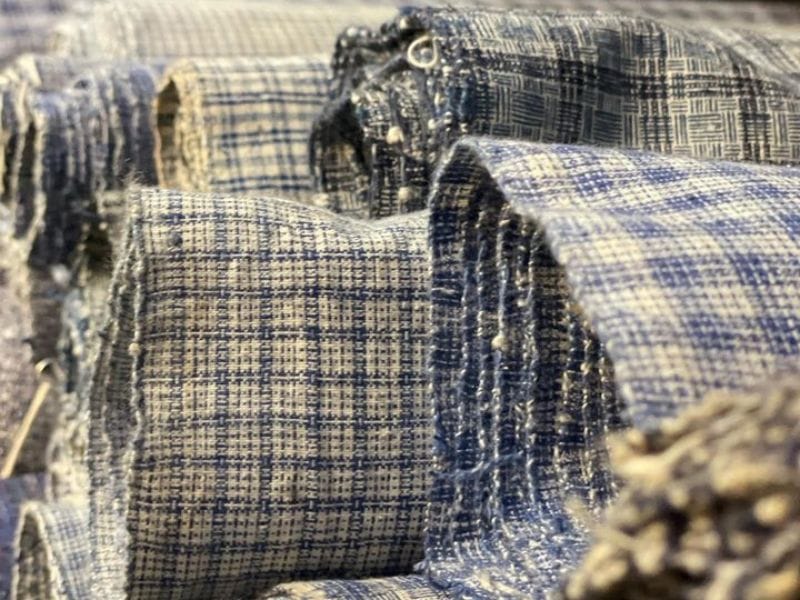
Wool is a protein fiber with scales on the fiber surface that interlock under heat and agitation, causing irreversible felting shrinkage. Superwash wool, treated with an acid bath or polymer coating to suppress the scales, tolerates machine washing at 30–40°C (86–104°F). Untreated wool felts at temperatures above 30°C and should be hand-washed at or below 30°C (86°F) or dry cleaned. Temperature shock (sudden temperature changes while damp) accentuates the felting process.
Silk
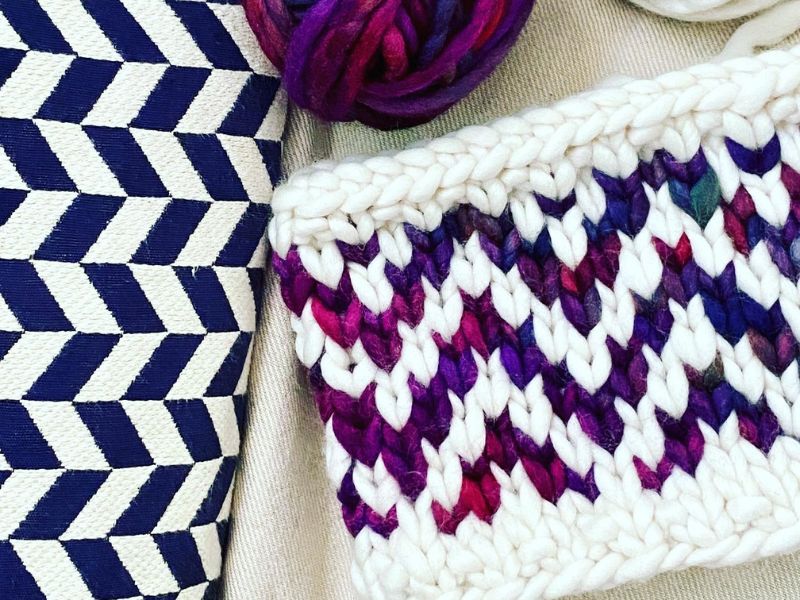
Silk is a protein fiber that loses strength and luster when washed in hot water. Temperatures above 40°C (104°F) cause silk proteins to denature, resulting in permanent fiber distortion, loss of sheen, and dimensional shrinkage of up to 8% for unfixed silk fabrics. Silk should be washed in cold water (below 30°C / 86°F) using a gentle hand-washing technique, or dry cleaned. Chlorine bleach causes immediate and irreversible damage to silk fibers. Perspiration accelerates yellowing in silk garments.
Synthetic Fabrics (Polyester and Nylon)
Synthetic fabrics such as polyester and nylon are more resistant to hot water than natural fibers and tolerate wash temperatures up to 60°C (140°F) without significant damage. However, temperatures above 70°C (158°F) cause polyester fibers to soften and deform through a process called thermal relaxation. Nylon loses up to 20% of its tensile strength when exposed to temperatures above 100°C (212°F). Boiling water (100°C / 212°F) causes both polyester and nylon to melt or deform irreversibly.
Delicate or Specialty Textile Fabrics
Lace, chiffon, satin, and organza are delicate specialty fabrics with intricate weaves or sensitive finishes. These materials require hand washing at or below 30°C (86°F) or dry cleaning. The bar symbols below the wash tub on care labels indicate agitation level: no bar means normal agitation (cotton), one bar means reduced agitation (synthetics), and two bars mean very minimal agitation (silk and wool). Specialty fabrics with decorative finishes (beading, embroidery, prints) should never be exposed to temperatures above those specified on their care labels.
Tips for Preventing Accidental Hot Water Washes in the Future
To prevent accidental hot water washes, implement the following practices:
Separate Temperature-Sensitive Textile Garments
Sort laundry by fabric type and care label wash temperature before washing. Create three separate sort categories: hot wash (60°C / 140°F) for heavy cotton whites, warm wash (40°C / 104°F) for colorfast cottons and synthetics, and cold wash (30°C / 86°F) for delicates, wool, and silk. This sorting system prevents temperature-sensitive garments from being exposed to excessive heat.
Read and Follow Care Labels
Care labels use the ISO 3758 wash symbol system. A washtub with a number indicates the maximum wash temperature in degrees Celsius. A washtub with multiple dots indicates temperature according to the dot system (one dot = 30°C, two dots = 40°C, three dots = 50°C, four dots = 60°C). Following these symbols precisely prevents fiber and color damage.
Adjust Water Temperature Settings Before Starting
Always verify the washing machine temperature setting before starting the cycle. Check that the dial or digital control is set to the appropriate temperature for the most temperature-sensitive garment in the load. When in doubt, select a lower temperature setting to protect delicate items.
Use Laundry Sorting Baskets or Hampers
Assign separate laundry baskets for each wash temperature category. Label each basket with the maximum wash temperature symbol for that category. This physical separation system ensures correct sorting before washing and prevents accidental exposure of delicate items to hot water.
Use Reminder Labels or Tags
Place a reminder card near the washing machine that lists the four wash temperature levels and their appropriate fabric categories. Include the ISO 3758 wash symbols on the card for quick reference. This visual reminder reduces the likelihood of incorrect temperature selection during hurried laundry sessions.
Test the Water Temperature Before Starting
Run the hot water faucet for 10–15 seconds before starting the wash cycle to purge cooled water from the pipes. Use a thermometer to verify the outflowing water temperature matches the machine setting. This step is particularly important for front-loading machines, which can retain cooled water in the drum between cycles.
Educate All Household Members
Ensure all household members understand the care label system and wash temperature requirements for different textile fabrics. Demonstrate the ISO 3758 wash symbols and explain the consequences of exceeding recommended temperatures. Consistent household practices prevent accidental hot water damage across all users of the laundry equipment.
Final Words
Washing textile garments in hot water produces documented and measurable consequences: shrinkage of 5–10% in non-pre-shrunk natural fibers, significant color fading in improperly dyed fabrics, irreversible fiber damage in silk and wool above their respective temperature thresholds, and accelerated mechanical wear from combined heat and agitation. The extent of damage is directly proportional to the wash temperature relative to the fabric’s ISO 3758 care symbol specification.
Always read the care label and follow the manufacturer’s wash temperature specification before laundering. If a garment is accidentally washed in hot water, immediate cold water rinsing, gentle reshaping while damp, and air drying at room temperature offer the best chances of salvage. For valuable or delicate textile items, professional dry cleaning assessment is the recommended course of action.
With proper sorting practices, consistent use of care label symbols, and awareness of wash temperature thresholds, textile garment longevity is maximized and accidental damage is prevented.
References
- Wikipedia. (2026). Laundry symbol. Wikimedia Foundation.
- Wikipedia. (2026). Shrinkage (fabric). Wikimedia Foundation.
- Wikipedia. (2026). Wool. Wikimedia Foundation.
- Wikipedia. (2026). Silk. Wikimedia Foundation.


