
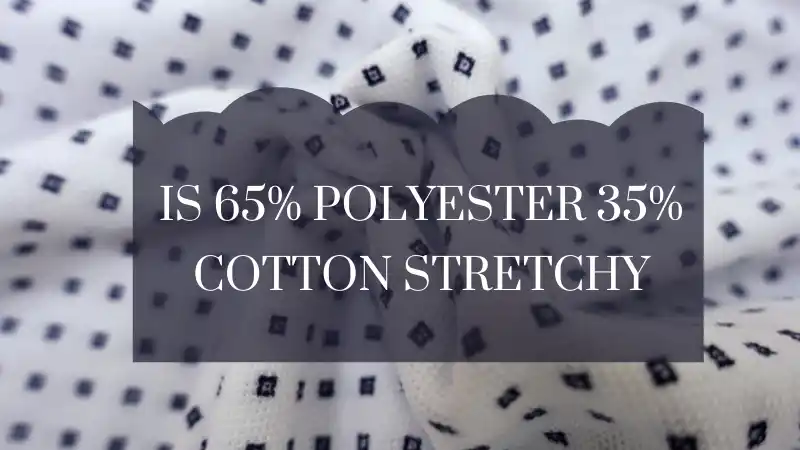
Is 65% Polyester 35% Cotton Stretchy?

Standard 65/35 poly-cotton is not naturally stretchy — it contains no elastane or spandex and provides minimal natural stretch. However, manufacturers can add 5–15% stretch recovery by using textured polyester yarns, bi-component yarns, or mechanical stretch processes during production. Without these special treatments, a 65/35 blend behaves like a stable woven fabric with zero弹性回复.
This blend was specifically developed for workwear and athletic applications where durability and comfort must coexist. Polyester provides tensile strength and wrinkle resistance while cotton contributes moisture absorption and a soft hand feel. Together, they create a fabric that outperforms single-fiber alternatives in industrial laundering and daily wear — but elasticity was never part of the design.
What is 65% Polyester 35% Cotton?
The 65/35 poly-cotton blend is a fabric composed of 65% polyester fibers and 35% cotton fibers by weight. This specific ratio was developed for workwear and athletic applications where durability and comfort must coexist. Polyester provides tensile strength, color retention, and wrinkle resistance, while cotton contributes moisture absorption and a soft hand feel.
Combination of Polyester and Cotton
Polyester is a synthetic polymer (PET — polyethylene terephthalate) with high tensile strength rated at 2.5–8.5 g/denier. Cotton is a natural cellulosic fiber with a tenacity of 3–5 g/denier. When combined in a 65/35 ratio, the resulting fabric exhibits polyester’s strength characteristics alongside cotton’s moisture-wicking properties.
The blend achieves performance characteristics that neither fiber accomplishes independently. According to ASTM D3887 (Standard Specification for Tolerance of Fabrics), poly-cotton blends must meet minimum tear strength requirements of 1.8 kg for heavy-duty applications.
65/35 Ratio Specifications
The textile industry uses the 65/35 ratio because it balances cost, comfort, and durability. Higher cotton ratios (above 50%) increase moisture absorption but reduce dimensional stability. Higher polyester ratios improve strength and colorfastness but decrease breathability.
The 65/35 blend serves three primary end-uses: lightweight shirts requiring 120–150 gsm fabric weight, athletic uniforms demanding 180–220 gsm for moisture management, and workwear requiring 200–280 gsm for durability in industrial laundering at temperatures up to 60°C (140°F).
Yarn Types and Stretch Properties
The stretch properties of 65/35 poly-cotton depend directly on yarn construction method. Standard ring-spun yarns produce minimal stretch (0–3% extension). False-twist textured polyester yarns add 5–10% stretch recovery. Bi-component stretch yarns using PET/nylon combinations achieve 10–15% extension.
| Yarn Type | Stretch Recovery | Common Application |
|---|---|---|
| Ring-spun (standard) | 0–3% | Workwear, school uniforms |
| False-twist textured | 5–10% | Athletic wear, casual apparel |
| Bi-component (PET/nylon) | 10–15% | Activewear, compression layers |
| With elastane/spandex added | 15–40% | Sports bibs, compression gear |
Consumers purchasing poly-cotton garments cannot identify the yarn type from labels alone. The care tag provides only fiber percentages, not yarn construction details. A garment labeled 65/35 without mention of spandex or elastane should be assumed to have zero added stretch.
How to Stretch 65% Polyester 35% Cotton Fabric
Standard 65 polyester 35 cotton fabric does not possess natural elastic recovery. Because neither polyester nor cotton contains elastane, the fabric cannot return to its original dimensions after being stretched. However, three methods can temporarily or permanently increase the dimensions of poly-cotton garments.
Applying Controlled Heat with Moisture
Heat and moisture together relax the intermolecular bonds in both polyester and cotton fibers. This combination allows the fabric to be reshaped. Soak the garment in warm water at 38–43°C (100–109°F) for 15–20 minutes, then gently stretch by hand to the desired dimensions.
After hand-stretching, lay the garment flat and allow it to air-dry. Do not use a hot dryer, as temperatures above 60°C (140°F) can cause excessive shrinkage in the cotton component, negating any stretching achieved. Iron at 150–170°C (302–338°F) — the polyester setting — while continuing to stretch the fabric manually.
Manual Hand-Stretching Technique
For a 90% cotton 10% polyester blend, the higher cotton content allows more natural fiber swelling during washing, making hand-stretching more effective. However, pure 65/35 poly-cotton responds less dramatically.
To hand-stretch: dampen the fabric with a spray bottle, then apply even pressure across the waistband or cuff area. Hold each section stretched for 30–60 seconds before moving to the next area. The effect is temporary — the fabric will gradually return to its original dimensions over 24–48 hours of wear.
Shrinkage Behavior of 65 Polyester 35 Cotton
The 65/35 poly-cotton blend exhibits minimal shrinkage due to polyester’s dimensional stability. Industry testing under AATCC Test Method 135 (Dimensional Changes of Fabrics After Home Laundering) confirms that 65/35 poly-cotton shrinks 2–3% after five wash cycles. This is significantly lower than 100% cotton, which shrinks 3–7% under identical conditions.
A 2–3% shrinkage rate means a pair of pants with a 76 cm (30-inch) waist will reduce to approximately 73.8–74.4 cm (29.1–29.3 inches) after repeated washing. This amount is barely perceptible but can affect fit in slim-cut garments.
Common Uses of 65% Polyester 35% Cotton Fabric
The 65/35 poly-cotton blend serves three primary applications: casual apparel, athletic wear, and home textiles. Each application leverages specific properties of the blend to meet performance requirements.
Casual and Workwear Clothing
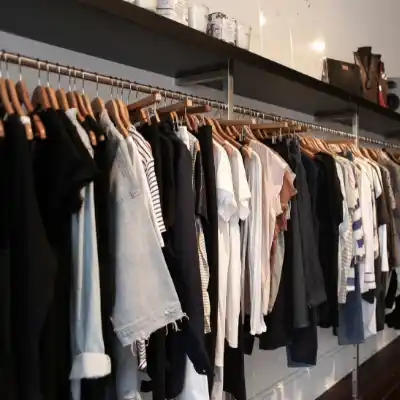
The most widespread use of 65/35 poly-cotton is in casual shirts, work uniforms, and school uniforms. The fabric’s 120–150 gsm weight provides sufficient opacity and durability for daily wear. Its wrinkle-resistant properties reduce the need for ironing, making it practical for uniform programs.
The fabric is softer than 100% polyester but more resilient than 100% cotton. It can withstand 50–100 industrial laundering cycles before showing significant surface wear, according to ISO 15797 (Standard for Industrial Laundering of Fabrics).
Athletic and Sports Apparel
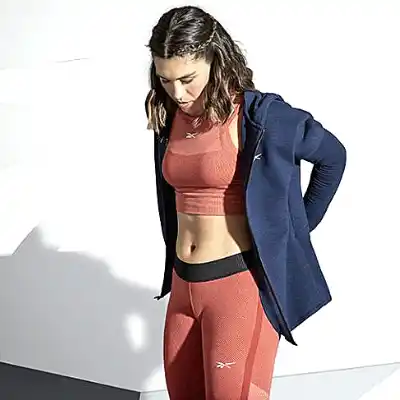
Athletic apparel uses 65/35 poly-cotton in mid-layer garments such as track jackets and warm-up suits. The blend provides adequate breathability (air permeability of 200–400 L/m²/s at 100 Pa pressure drop) for moderate-intensity activities. It is not suitable for high-stretch athletic categories like compression wear or cycling bibs.
The fabric’s hydrophobic polyester component draws moisture away from the skin surface, while cotton absorbs the transferred perspiration. This dual-action moisture management keeps the garment lightweight during exercise.
Home Textile Applications
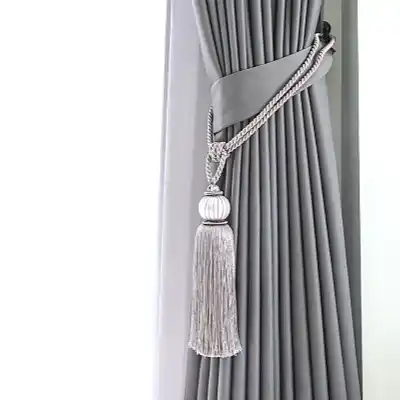
Poly-cotton blends appear extensively in home textiles including bedsheets (thread counts of 180–400 TC), pillowcases, curtain panels, and furniture upholstery covers. The 65/35 ratio provides a balance between the crisp hand of cotton and polyester’s stain resistance.
Home consumers benefit from the blend’s colorfastness — polyester resists dye bleeding during washing, while cotton prevents the fabric from developing the shiny appearance that 100% polyester acquires after repeated laundering.
Key Characteristics of 65% Polyester 35% Cotton
The 65/35 poly-cotton blend demonstrates measurable performance advantages over single-fiber fabrics. These characteristics determine its suitability for specific end-use applications.
Strength, Durability, and Cost: How 65/35 Compares to Other Blends
| Property | 65/35 Poly-Cotton | 100% Cotton | 100% Polyester |
|---|---|---|---|
| Tear Strength | 1.8–2.5 kg | 1.2–1.8 kg | 2.0–3.0 kg |
| Shrinkage (5 washes) | 2–3% | 3–7% | 0–1% |
| Color Fastness | Grade 4–5 | Grade 3–4 | Grade 4–5 |
| Wrinkle Recovery | 200–240° | 150–180° | 220–260° |
| Breathability | Good | Excellent | Low |
| Moisture Absorption | Moderate | High | Very Low |
| Cost Index | 1.0x | 1.3–1.5x | 0.7–0.9x |
Tensile Strength and Durability
Polyester fibers exhibit tenacity ratings of 2.5–8.5 g/denier, compared to cotton’s 3–5 g/denier. The 65/35 blend achieves a composite tear strength of 1.8–2.5 kg, measured per ASTM D1424 (Falling Pendulum Method). This durability allows the fabric to withstand 50–100 wear cycles before showing significant abrasion.
Wrinkle Resistance
Polyester’s molecular structure provides natural resilience against deformation. When the fabric is crumpled, the polyester fibers return to their original orientation after laundering. This property eliminates the need for ironing in most casual wear applications.
Industrial testing per AATCC 128 (Wrinkle Recovery of Fabrics) shows 65/35 poly-cotton achieves a wrinkle recovery angle of 200–240°, compared to 100% cotton’s 150–180°.
Breathability and Moisture Management
The 65/35 blend offers superior moisture management compared to 100% polyester. Cotton fibers absorb 7–8% of their weight in moisture, while polyester absorbs less than 0.5%. Together, the blend wicks perspiration via capillary action through the cotton component while polyester dries quickly.
Air permeability testing at 100 Pa pressure differential shows 65/35 poly-cotton ranges from 200–400 L/m²/s, making it suitable for yoga apparel and general activewear. For high-sweat activities, fabrics with elastane content are more appropriate.
Color Retention and Fade Resistance
Polyester fibers accept disperse dyes at temperatures of 100–130°C (212–266°F) under pressure, achieving high color fastness ratings of Grade 4–5 on the AATCC Gray Scale. Cotton fibers dyed with reactive dyes typically achieve Grade 3–4. The blended fabric maintains color intensity through 30–50 wash cycles before visible fading begins.
Will a 65% Polyester 35% Cotton Blend Prevent Pilling in Blankets?
The 65% polyester 35% cotton blend reduces pilling in blankets through polyester’s high tensile strength and abrasion resistance. Pilling occurs when short fibers migrate to the fabric surface and tangle into pills. Polyester fibers have a tenacity of 2.5–8.5 g/denier, preventing fiber migration. A 65/35 blanket blend typically begins showing pilling after 80–120 wash cycles, compared to 30–50 cycles for 100% cotton blankets.
Final Words
Is 65% polyester 35% cotton stretchy? The definitive answer is that standard 65/35 poly-cotton contains no elastane and provides no meaningful stretch. Only when manufacturers incorporate textured polyester yarns or mechanical stretch processes does the blend gain stretch recovery of 5–15%.
Beyond the stretch question, the 65/35 blend delivers measurable advantages: 2–3% shrinkage (versus 3–7% for cotton), Grade 4–5 color fastness, 1.8–2.5 kg tear strength, and wrinkle recovery angles of 200–240°. These properties make it one of the most cost-effective fabric choices for workwear, athletic mid-layers, and home textiles.
References
- ASTM International. (2008). ASTM D3887-96: Standard Specification for Tolerance of Fabrics. ASTM International.
- ASTM International. (2019). ASTM D1424: Standard Test Method for Tearing Strength of Fabrics by Falling-Pendulum (Elmendorf-Type) Apparatus. ASTM International.
- AATCC. (2021). AATCC 135: Dimensional Changes of Fabrics After Home Laundering. American Association of Textile Chemists and Colorists.
- ISO. (2018). ISO 15797: Textiles — Industrial Laundering and Finishing for Test Fabrics. International Organization for Standardization.
- AATCC. (2020). AATCC 128: Wrinkle Recovery of Fabrics — Recovery Angle Method. American Association of Textile Chemists and Colorists.
- Wikipedia. (2024). Polyester. Wikipedia.


