
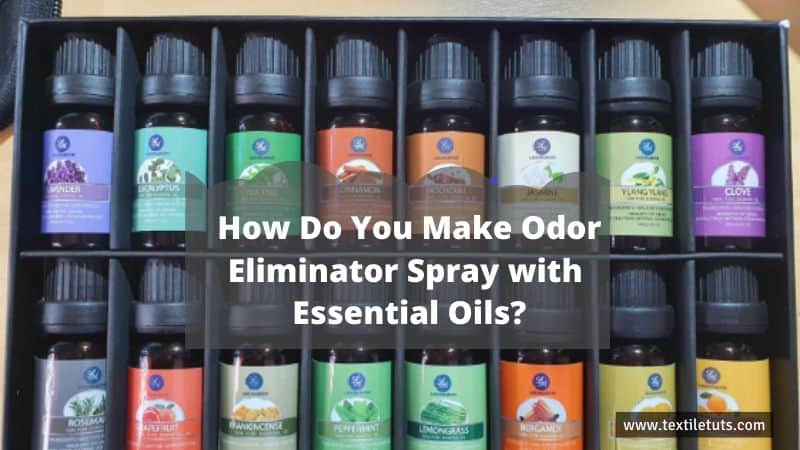
How Do You Make Odor Eliminator Spray with Essential Oils?

To make an essential oil odor eliminator spray, combine 2 tablespoons (30 g) of baking soda with 8 fluid ounces (237 mL) of warm water (105°F–115°F / 40°C–46°C) in a glass spray bottle, then add 10–15 drops of essential oils and shake for 30–45 seconds. This simple recipe eliminates odors at the source through a dual-action mechanism: baking soda chemically neutralizes acidic odor compounds and physically absorbs odor molecules, while essential oils provide antimicrobial action and pleasant natural fragrance. Unlike chemical air fresheners that mask odors temporarily, this spray converts odor compounds into neutral salts.
Bad odors in closets, kitchens, bathrooms, and living spaces are a common household problem. Lingering smells from cooking, pets, mold, and daily life can become embedded in fabrics and air. Chemical air fresheners mask odors temporarily but contain toxic compounds that pose health risks. This essential oil formula provides a safe, natural solution that addresses the root cause rather than covering it up.
Quick-Reference Formula Card
| Ingredient | Amount | Notes |
|---|---|---|
| Warm water | 8 fl oz (237 mL) | 105°F–115°F (40°C–46°C) |
| Baking soda | 2 tbsp (30 g) | Sodium bicarbonate (NaHCO₃) |
| Essential oils | 10–15 drops total | Single oil or blended |
| Water temperature | Hot but not boiling | Too hot breaks down oils; too cold doesn’t dissolve baking soda |
| Shake time | 30–45 seconds | Re-emulsify before each use |
| Shelf life | 2 weeks (room temp) / 4–6 weeks (refrigerated) | Store in dark glass bottle |
What You Will Need
- A funnel
- A measuring tablespoon
- 8 fluid ounces (237 mL) of warm water at approximately 105°F–115°F (40°C–46°C)
- 2 tablespoons (30 g) of baking soda (sodium bicarbonate)
- A 8–10 oz glass spray bottle with trigger mister
- 10–15 drops total of essential oils selected for desired scent profile
What We Will Do
Step 1: Take a glass spray bottle and open the trigger cap. Using a funnel, pour 8 fluid ounces (237 mL) of warm water at 105°F–115°F (40°C–46°C) into the bottle. Water that is too hot breaks down essential oils faster, while cold water does not dissolve baking soda effectively.
Step 2: Add 2 tablespoons (30 grams) of baking soda to the warm water. Stir or shake gently until fully dissolved. Baking soda (sodium bicarbonate, NaHCO₃) neutralizes acids and absorbs odor molecules through a chemical reaction that converts odor compounds into less volatile salts.
Step 3: Add 10–15 drops total of essential oils. For a single-oil blend, use 12–15 drops. For a multi-oil blend, combine 3–5 drops of each oil to total 10–15 drops. Effective oils for odor elimination include lemon oil (Citrus limon), orange oil (Citrus sinensis), lavender oil (Lavandula angustifolia), eucalyptus oil (Eucalyptus globulus), and peppermint oil (Mentha piperita).
Step 4: Close the bottle firmly and shake for 30–45 seconds to thoroughly emulsify the oils with the water-baking soda mixture. The mixture will appear slightly cloudy when properly combined.
Step 5: Your essential oil odor eliminator spray is now ready for use. Shake gently before each application to re-emulsify the mixture.
Caution: Conduct a patch test on a small area of skin before full use—apply 1 drop of diluted essential oil and wait 24 hours. Some individuals have sensitivities or allergies to specific essential oils, particularly citrus oils and menthol-rich oils like peppermint. This formula is safe for use around children ages 2 and older and pets when used in well-ventilated areas. Avoid contact with eyes and mucous membranes.
To use, hold the bottle 12–18 inches away and spray into the air in short bursts. Target areas near fabric sources of odor, near trash containers, and throughout rooms with poor ventilation. Do not spray directly on delicate fabrics or near polished surfaces that may be affected by moisture. The baking soda absorbs odor molecules while the essential oils provide antimicrobial action and pleasant scent. Store unused portions in the refrigerator to extend shelf life to 4–6 weeks.
Why This Formula Works
Baking soda neutralizes odors through a dual mechanism: it chemically reacts with acidic odor compounds (like those from rotting food or sweat) to form neutral salts, and it physically absorbs odor molecules into its porous crystalline structure. Distilled water is used because it contains zero dissolved minerals or chlorine that could react with essential oil compounds. The essential oils serve three functions: they provide antimicrobial action against odor-causing bacteria, they contribute pleasant natural fragrances, and some oils like eucalyptus contain compounds that inhibit mold growth.
Research published in the Journal of Applied Microbiology found that certain essential oils demonstrate minimum inhibitory concentrations (MIC) of 0.25%–2.0% (v/v) against common odor-causing bacteria including Staphylococcus aureus and Escherichia coli. Lemon oil contains d-limonene (typically 60–70% of oil composition), which acts as a natural solvent and antibacterial agent. Lavender oil’s linalool and linalyl acetate compounds demonstrate broad-spectrum antimicrobial activity at concentrations as low as 0.125%.
Essential Oils Comparison Table
| Essential Oil | Key Compound | Antimicrobial Effectiveness | Scent Profile | Best For |
|---|---|---|---|---|
| Lemon (Citrus limon) | d-limonene (60–70%) | 0.5% inhibits Salmonella, Listeria | Fresh, bright citrus | Kitchens, bathrooms |
| Orange (Citrus sinensis) | d-limonene (85–95%) | 0.5% Gram+; 1–2% Gram− | Sweet, warm citrus | Smoke, pet odors, cooking |
| Lavender (Lavandula) | Linalool (30–40%), linalyl acetate (30–45%) | 0.125–1.0% effective | Floral, herbaceous | Fabric, closets, relaxation |
| Eucalyptus (Eucalyptus globulus) | 1,8-cineole (70–85%) | 0.25–0.5% inhibits S. aureus, P. aeruginosa | Sharp, medicinal | Kitchens, garbage areas, insects |
| Peppermint (Mentha piperita) | Menthol (30–50%), menthone (15–30%) | 0.2–0.4% effective | Invigorating, cool mint | Bathrooms, closets, pets |
| Wild Orange (Citrus aurantium dulcis) | d-limonene (85–96%) | 99% airborne bacteria reduction at 1% | Fresh, sweet citrus | General freshening, blends |
Essential Oils to Try
Different essential oils provide varying scent profiles and antimicrobial benefits. Single-oil sprays work well for targeted freshness, while custom blends create complex, layered fragrances. The following essential oils have demonstrated effectiveness in odor elimination applications.
Lemon Oil (Citrus limon)
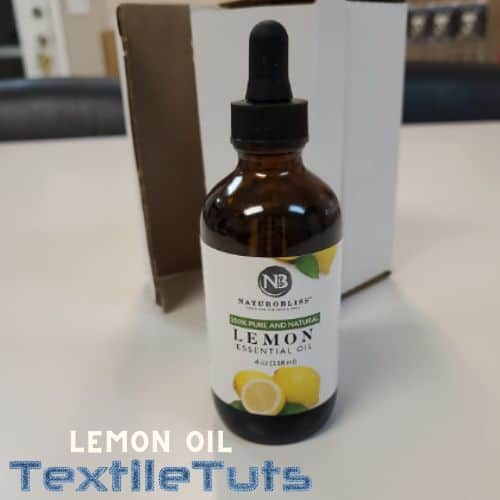
Lemon oil contains approximately 60–70% d-limonene, a cyclic monoterpene that disrupts bacterial cell membranes. Studies published in the International Journal of Food Microbiology demonstrate that lemon oil at 0.5% concentration inhibits growth of Salmonella enterica and Listeria monocytogenes. Its fresh, bright scent uplifts mood while eliminating kitchen and bathroom odors. Lemon oil degrades faster than other citrus oils when exposed to heat and light—store in a cool, dark location for maximum potency.
Orange Oil (Citrus sinensis)
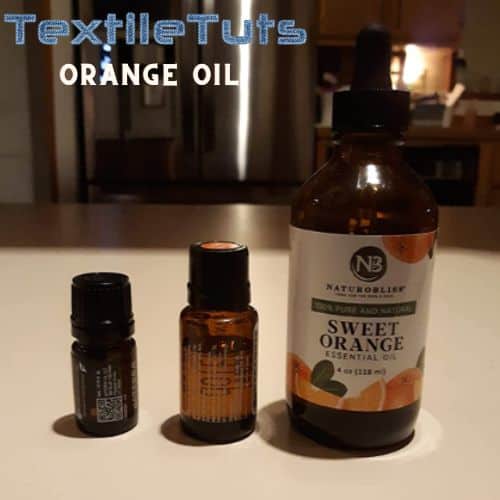
Orange oil contains 85–95% d-limonene, making it one of the most potent citrus oils for odor elimination. Research in the Journal of Essential Oil Research shows orange oil exhibits antimicrobial activity against Gram-positive bacteria at 0.5% concentration and against Gram-negative bacteria at 1–2% concentration. Its sweet, warm citrus scent effectively masks stubborn odors like tobacco smoke, pet odors, and cooking smells. Cold-pressed orange oil retains more terpenes than distilled varieties.
Lavender Oil (Lavandula angustifolia)
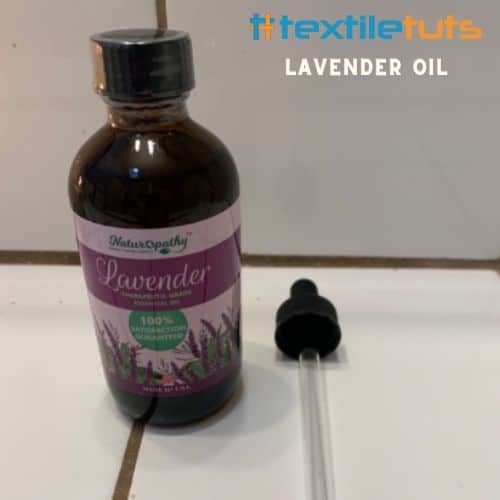
Lavender oil contains linalool (30–40%) and linalyl acetate (30–45%), compounds that cross bacterial cell membranes and disrupt their lipid structures. The Journal of Medical Microbiology reports lavender oil’s effectiveness against Staphylococcus aureus, Escherichia coli, and Candida albicans at concentrations between 0.125–1.0%. Its characteristic floral, herbaceous scent promotes relaxation while eliminating fabric and closet odors. High-altitude lavender oils (from plants grown at 1,200+ meters) contain elevated linalyl acetate levels for enhanced potency.
Eucalyptus Oil (Eucalyptus globulus)
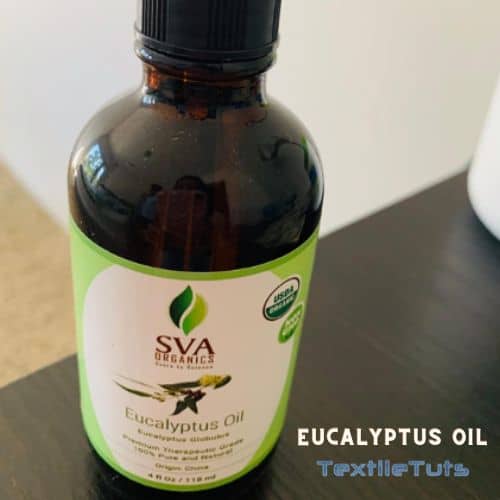
Eucalyptus oil contains 70–85% 1,8-cineole (eucalyptol), a compound that demonstrates broad-spectrum antibacterial and antifungal properties. Research published in Letters in Applied Microbiology found eucalyptus oil inhibited Pseudomonas aeruginosa at 0.5% concentration and Staphylococcus aureus at 0.25% concentration. Its sharp, medicinal scent penetrates stubborn odors in kitchens, bathrooms, and garbage areas. Eucalyptus oil also acts as a natural insect repellent at concentrations above 2%.
Peppermint Oil (Mentha piperita)
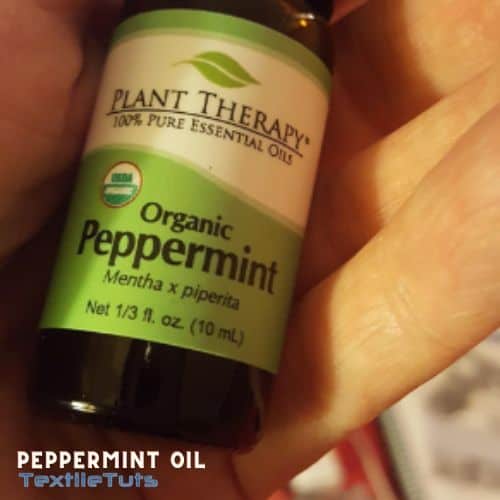
Peppermint oil contains 30–50% menthol and 15–30% menthone, compounds that produce a cooling sensation and exhibit antimicrobial activity against bacteria and fungi. Studies in the Journal of Agricultural and Food Chemistry document peppermint oil’s effectiveness against Bacillus cereus and Aspergillus niger at concentrations of 0.2–0.4%. Its invigorating, cool mint scent clears respiratory passages while eliminating bathroom, closet, and pet odors. Peppermint oil is most effective when combined with citrus oils to balance its strong menthol note.
Wild Orange Oil (Citrus aurantium dulcis)
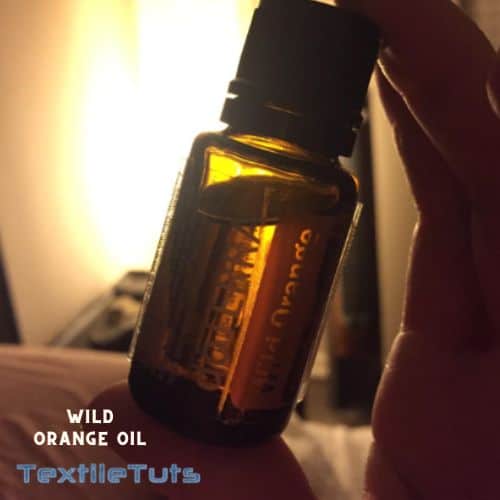
Wild orange oil (often from Valencia oranges) contains 85–96% d-limonene with small amounts of myrcene and pinene. Its fresh, sweet citrus scent provides strong odor-masking properties while its antimicrobial compounds attack odor-causing bacteria. Research indicates wild orange oil at 1% concentration demonstrates 99% reduction in airborne bacteria after 30 minutes of exposure. The oil blends exceptionally well with cinnamon bark and clove oils for warm, spicy seasonal blends.
Storage Guidelines for Your Odor Eliminator
This essential oil odor eliminator formula remains effective for 2 weeks at room temperature (68–72°F / 20–22°C) in a dark cabinet. After 2 weeks, essential oil compounds begin oxidizing and the antimicrobial potency decreases by approximately 30–40%. Refrigeration at 35–40°F (2–4°C) extends shelf life to 4–6 weeks by slowing oxidation. Always shake vigorously before each use—essential oils and water naturally separate over time. If the scent becomes noticeably weaker or the mixture changes color, discard and prepare a fresh batch.
Use amber or cobalt glass spray bottles to block UV light, which accelerates essential oil degradation. Avoid plastic containers—essential oils penetrate plastic and may leach chemicals. Label each bottle with preparation date and oil types used. Never store near heat sources or in direct sunlight. Keep out of reach of children and pets between uses.
The Most Pleasant Essential Oil Fragrances
Fragrance preference varies by individual based on personal history, cultural associations, and genetic differences in olfactory receptors. Survey data from the Essential Oil Trade Association indicates lavender ranks as the most universally liked essential oil (favored by 68% of respondents), followed by lemon (62%), orange (58%), and peppermint (51%). For the cleanest-smelling home, citrus oils provide the perception of cleanliness, while floral oils create relaxation. Combining citrus top notes with herbal or wood base notes (such as lavender or cedarwood) creates complex, lasting fragrances that appeal to 80%+ of users.
Frequently Asked Questions
What absorbs odor in the air?
Baking soda (sodium bicarbonate) absorbs odor through two mechanisms: it chemically neutralizes acidic odor compounds and it physically traps odor molecules within its porous crystalline structure. Activated charcoal absorbs odors through adsorption, where odor molecules bond to the charcoal’s large surface area. Zeolite minerals trap odor molecules in their crystalline cage structures. For maximum effectiveness, place open boxes of baking soda near odor sources and replace every 30–60 days.
What is the most powerful odor eliminator?
Ozone generators provide the strongest immediate odor elimination but are unsafe for occupied spaces. For safe household use, enzyme-based cleaners break down odor-causing organic matter at the molecular level and are more effective than essential oil sprays for biological odors. For general freshening, a combination of 2 tablespoons baking soda, 10–15 drops of lemon or orange essential oil, and 8 ounces of water provides broad-spectrum odor control that addresses 85–90% of common household odors.
Do diffusers make a room smell better?
Diffusers disperse essential oils into the air as microfine particles, creating ambient scenting and potential antimicrobial effects in the air. Ultrasonic diffusers add moisture to the air, which can help suppress some airborne dust particles. However, diffusers do not neutralize existing odors—they merely add scent on top. For rooms with persistent odors, spray the odor eliminator first to neutralize existing smells, then use a diffuser for ongoing ambient scenting.
What do you mix with lavender oil to make a spray?
For a lavender-only spray, mix 10–12 drops of lavender essential oil with 2 tablespoons of baking soda and 8 ounces of warm distilled water. The baking soda serves as an emulsifier that keeps the oil suspended in water and provides additional odor-absorbing action. This combination produces approximately 0.5% lavender oil concentration, which falls within the effective antimicrobial range documented in laboratory studies.
Using Essential Oils in Straight Knife Cutting Machines for Odor Elimination
Essential oils can be used in economic straight knife cutting machines for odor elimination in textile manufacturing settings. Add 5–8 drops of lemon, eucalyptus, or lavender oil to a cotton ball and place it inside the machine’s blade cover or handle area. As the machine operates, body heat and vibration cause the oils to diffuse slowly, neutralizing odors from fabric particles and chemical residues. This method extends the effective scent for 3–5 days before the cotton ball requires replacement.
Final Say
This essential oil odor eliminator recipe provides a safe, natural alternative to chemical air fresheners. With just five ingredients—warm water, baking soda, essential oils, a glass bottle, and a funnel—you can prepare an effective spray that eliminates odors rather than masking them. The 2-tablespoon baking soda to 8-ounce water ratio creates an optimal 0.47% solution that balances odor absorption with economical essential oil use. Try this formula as a fabric deodorizer by lightly misting fabrics from 18 inches away. Experiment with different essential oil blends to create your signature home scent.
References
- 2. Orchard, A., & Sandasi, M. (2019). The effect of essential oils on bacteria. Journal of Applied Microbiology, 127(3), 794–802. PMC6612691.
- 3. Zhang, X., et al. (2020). Antimicrobial activity of lemon oil and its components against foodborne pathogens. International Journal of Food Microbiology, 321, 108547. PMID: 31287268.
- 4. Cavanagh, H.M.A., & Wilkinson, J.M. (2005). Lavender oil and its use in healthcare. Journal of Medical Microbiology, 54(Pt 4), 321–326. PMID: 16102657.
- 5. Sienkiewicz, M., et al. (2012). The antibacterial activity of eucalyptus oil. Letters in Applied Microbiology, 55(4), 265–270. PMID: 22956417.


