
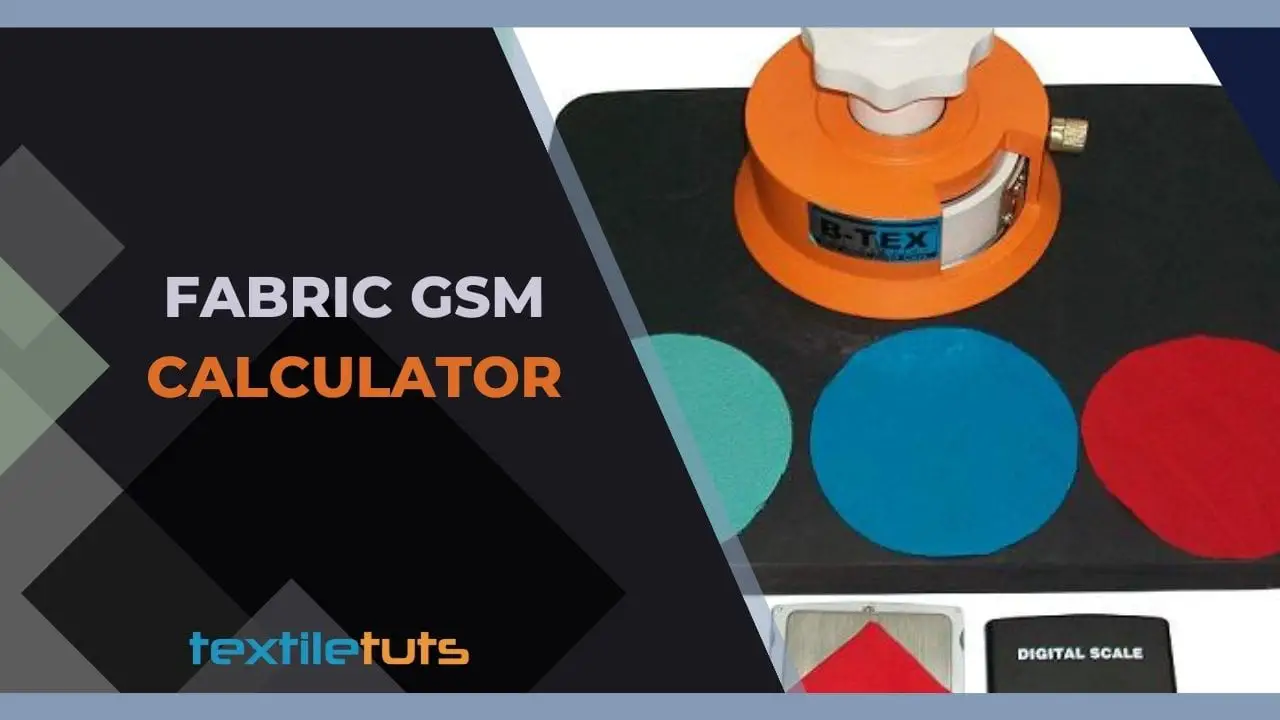
Fabric GSM Calculator: No GSM Cutter, No Problem!

Fabric GSM (grams per square meter) is calculated by dividing the weight of your fabric specimen in grams by its area in square meters: GSM = Weight (g) ÷ (Length m × Width m). This measurement tells you the density and weight of fabric — higher GSM means heavier, denser material; lower GSM means lighter, more breathable fabric. Whether you’re a home crafter, DIY enthusiast, or professional sewist, this calculator and guide help you measure fabric GSM accurately using tools you already have at home.
Fabric GSM Calculator
How to Use Our GSM Calculator
Follow these three steps to determine your fabric’s GSM using basic tools found in any household:
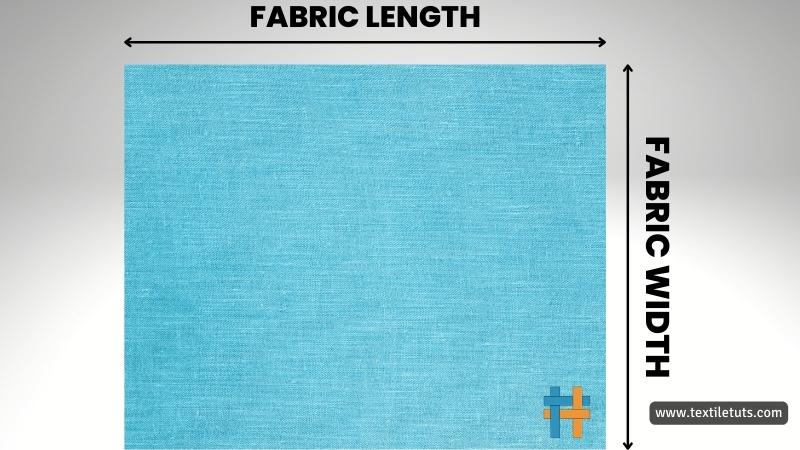
Step 1 — Measure fabric dimensions. Use a tape measure or ruler to record the length and width of your fabric specimen in inches, centimeters, or millimeters. For the most accurate result, cut the fabric into a precise square or rectangle and measure each side at least twice, then average the readings. The standard GSM cutter produces a circular specimen of 11.2 cm in diameter (equivalent to 100 cm²), but a rectangular cut works equally well for this method.
Step 2 — Weigh the fabric specimen. Use any accurate scale capable of displaying weight in grams, pounds, milligrams, or ounces. Place the dry, conditioned fabric on the scale and record the weight. For best accuracy, weigh the fabric when it is at standard atmospheric conditions (approximately 20°C / 68°F and 65% relative humidity). Conditioned fabric means the material has been allowed to acclimate to these conditions for a minimum of 24 hours. Any household scale — kitchen, postal, or bathroom — is suitable as long as it provides precision to at least 0.1 gm for small specimens.
Step 3 — Input values and calculate. Enter the length, width, and weight into the calculator. Select the matching units from the dropdown menus for both dimensions and weight. The calculator converts all units to centimeters and grams internally and divides the fabric weight by its area in square meters to produce the GSM value. The formula is:
Fabric GSM = (Weight in grams) ÷ (Length in meters × Width in meters)
Important: Select the correct unit from each dropdown before entering values. Using mismatched units (e.g., centimeters for length and inches for width) will produce an incorrect GSM reading.
Categorizing Your Fabric by GSM
Once you have calculated the GSM, use this classification chart to identify your fabric type:
GSM | CATEGORY | FABRIC EXAMPLE |
8-136 | EXTRA LIGHT | WADDING HOLLOW FIBER FABRIC, VOILE, CHIFFON |
136 – 204 | LIGHT | LIGHTWEIGHT COTTON, PVC METTING |
204 – 272 | MEDIUM | QUILTED WATERPROOF FABRIC |
272 – 339 | MEDIUM LIGHT | JUTE CLOTH HESSIAN FABRIC, STRETCH DENIM |
339 – 407 | HEAVY | RIGID DENIM, CANVAS, WOOL |
407 – 475 | EXTRA HEAVY | DENIM FABRIC, COATING |
Fabric GSM Ranges and Their Applications
Fabric GSM values fall into distinct categories that determine their ideal end use:
Extra Light (8–136 GSM): This range includes sheer fabrics such as voile (60–80 GSM), chiffon (30–50 GSM), and hollow-fiber fabrics used in insulation and linings. These fabrics weigh between 8 and 136 grams per square meter, making them suitable for scarves, overlay layers, and雨季 garments where breathability is the primary requirement.
Light (136–204 GSM): Lightweight cotton (120–150 GSM), poplin (100–150 GSM), and PVC mesh fall into this category. This is the most common range for summer apparel including blouses, dresses, and lining materials. Fabrics at 136–204 GSM offer a balance of breathability and structure that works well for warm-weather clothing.
Medium (204–272 GSM): Quilted fabrics and lightweight denim typically fall within 204–272 GSM. This weight provides enough body for structured garments such as workwear, light jackets, and quilting projects. Medium-weight fabrics are also common in home décor items including curtain panels and table linens.
Medium Heavy (272–339 GSM): Stretch denim (270–340 GSM), jute cloth (hessian at 280–340 GSM), and medium-weight canvas fall into this classification. These fabrics provide durability for trousers, lightweight jackets, bags, and upholstery projects. The higher density gives resistance to wear without the stiffness of heavyweight materials.
Heavy (339–407 GSM): Rigid denim (340–400 GSM), canvas (350–400 GSM), and wool suiting fabrics (300–450 GSM) occupy this range. These materials are suitable for jeans, workwear, heavy jackets, tarpaulins, and outdoor equipment where maximum durability is required.
Extra Heavy (407–475 GSM and above): The heaviest fabric grades include coated textiles (400+ GSM), industrial canvas (up to 600 GSM), and specialty denim weaves (450+ GSM). These materials are used in applications ranging from workwear and horse rugs to industrial machinery covers and protective equipment.
Fabric GSM Calculator Used with Transfer Paper for Precise Measurements
The Fabric GSM Calculator produces accurate results when used in conjunction with fabric transfer paper for measuring base fabric weight. Using a sheet of transfer paper as a control specimen provides a known reference point at a fixed GSM of approximately 100–120 GSM, allowing practitioners to verify their measurement technique before testing the target fabric. This method is particularly useful in professional garment manufacturing where fabric weight specifications must meet strict tolerance levels, typically within ±3% of the stated GSM value.
How to Convert GSM to Yarn Count
To find the yarn count for a specific GSM value, use the GSM to yarn count calculator. This tool converts fabric GSM into a yarn count number, which expresses the linear density of the yarn used in the weave. The calculation is only accurate when the yarn has uniform thickness throughout the specimen, as variations in yarn diameter will produce inconsistent results.
The relationship between GSM and yarn count is governed by the fabric construction parameters. For woven fabrics, the formula is:
Woven Fabric GSM = [{(Ends Per Inch × Warp Crimp Factor) ÷ Warp Count} + {(Picks Per Inch × Weft Crimp Factor) ÷ Weft Count}] × 23.5
For knit fabrics, the direct count formula is:
Fabric GSM = Course Per Inch × Wales Per Inch × Stitch Length in mm × Yarn Count in Tex × 0.001549
The ASTM D3776 standard covers the standard test method for mass per unit area of fabric, providing the authoritative procedure for determining fabric weight in grams per square meter. This test method specifies the use of a 100 cm² cutter (11.2 cm diameter disc) and requires testing a minimum of three specimens from different locations on the fabric, with the final GSM reported as the average of all readings.
Standard GSM Values for Common Garments
Use this quick-reference table to match fabric weight to garment type:
| Garment Type | GSM Range | Typical Fabric Weight |
|---|---|---|
| T-shirts (summer) | 130–150 GSM | Lightweight, breathable |
| T-shirts (mid-weight) | 150–180 GSM | Year-round wear |
| T-shirts (heavyweight) | 180–200 GSM | Workwear, premium |
| Dress shirts (lightweight) | 80–120 GSM | Sheer, lightweight |
| Oxford cloth | 150–200 GSM | Medium weight |
| Flannel shirts | 200–280 GSM | Heavy, warm |
| Denim (lightweight) | 270–340 GSM | Summer jeans |
| Denim (standard) | 340–400 GSM | Year-round jeans |
| Denim (heavyweight) | 450+ GSM | Premium selvedge |
| Bed sheets (percale) | 90–120 GSM | Lightweight |
| Egyptian cotton sheets | 120–160 GSM | High thread count |
| Flannel sheets | 170–300 GSM | Seasonal weight |
Tips for Accurate GSM Measurement
Temperature and humidity significantly affect fabric weight measurements. Cotton fabric absorbs up to 8.5% of its weight in moisture without feeling damp, which can skew GSM readings by several percentage points. Always condition your fabric specimen at standard atmospheric conditions (20°C / 68°F, 65% RH) for a minimum of 24 hours before weighing. Fabrics stored in humid environments will register a higher GSM than the same fabric measured in dry conditions.
Take measurements from multiple locations on the fabric. Fabric is rarely perfectly uniform; weave variations, finishing processes, and selvage differences all affect local GSM. The standard ASTM D3776 procedure requires cutting specimens from five different positions and averaging the results to account for this natural variation. A single measurement can be misleading if the fabric has been cut from different production lots or contains blended fiber sections.
For blended fabrics containing multiple fiber types, GSM measurement remains valid as a total fabric weight indicator, but interpreting the result requires knowing the fiber composition. A cotton-polyester blend at 180 GSM will behave differently in terms of moisture management, durability, and hand feel compared to 100% cotton at 180 GSM, even though both share the same weight per square meter.
References
- ASTM International. (2023). ASTM D3776/D3776M-22: Standard Test Methods for Mass per Unit Area of Fabric. ASTM International.


