
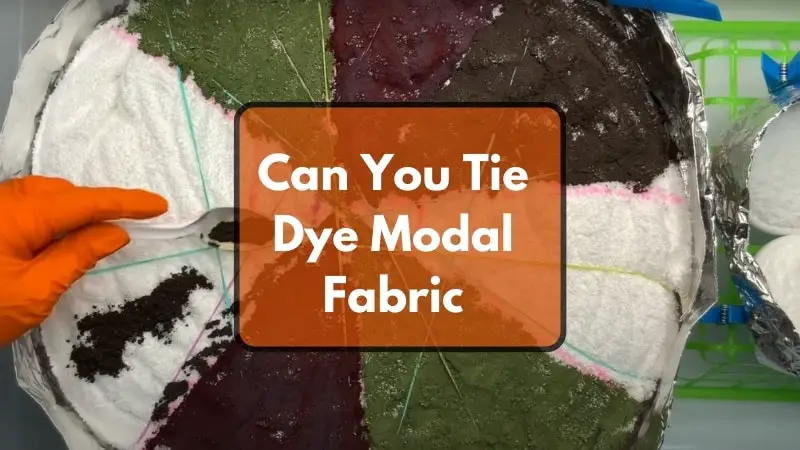
Can You Tie Dye Modal Fabric? The Ultimate Guide

Yes, you can tie-dye modal fabric—and the results are exceptional. As a regenerated cellulose fiber derived from beech trees, modal accepts dyes readily, producing vibrant, long-lasting colors that penetrate deep into the fabric layers. With proper preparation using soda ash and fiber reactive dyes, modal delivers professional-quality tie-dye results that maintain their vibrancy through repeated wash cycles.
This guide provides step-by-step instructions for tie-dyeing modal fabric at home, including expert tips for achieving professional-quality results with vibrant, colorfast designs.
Quick Reference: Key Specifications for Tie-Dyeing Modal Fabric
| Parameter | Specification |
|---|---|
| Prewash Temperature | 105–115°F (40–46°C) |
| Soda Ash Solution | 1 cup per 1 gallon (3.8 L) warm water |
| Fabric Soak Time | 10 minutes – 8 hours (longer = more vibrancy) |
| Soda Ash pH | 10–11 |
| Cure Temperature | 68–72°F (20–22°C) room temperature |
| Cure Duration | Minimum 24 hours |
| Final Wash Temperature | 140°F (60°C) |
| Dye Heat Setting (Disperse) | 380–400°F (193–204°C) |
| Color Bleeding Period | 2–3 wash cycles (normal) |
Ways You Can Tie-Dye Modal Fabric Like a Pro
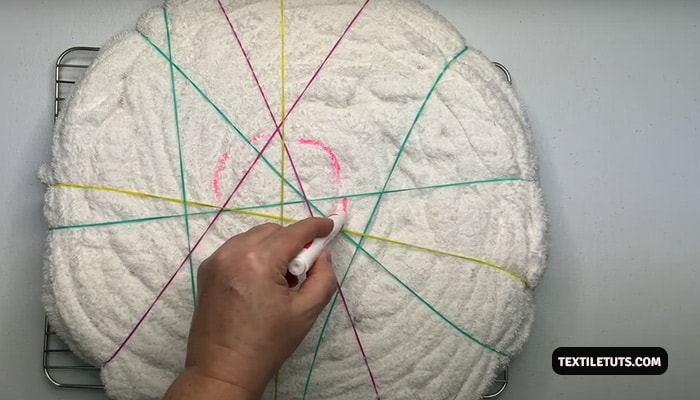
Tie-dyeing modal fabric requires careful attention to preparation and technique. Without the right approach, you risk uneven color uptake or damage to the delicate fiber structure. This section covers the complete process for achieving professional-quality results.
Prewashing Your Modal Fabric Is a Must
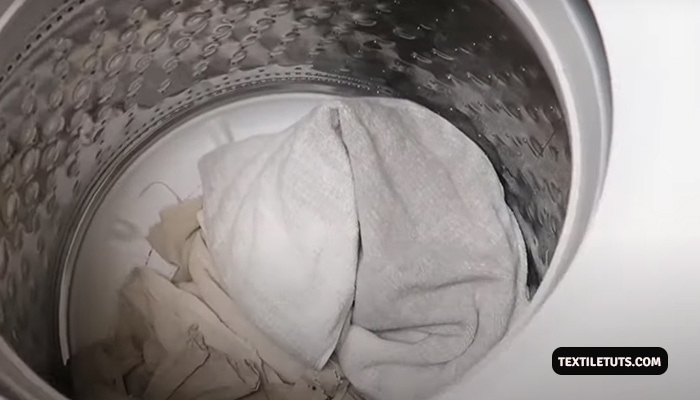
Before proceeding with dyeing, prewash the modal fabric to remove any finishes, oils, or contaminants that may interfere with dye uptake. Wash the fabric in warm water at 105-115°F (40-46°C) rather than cold water, as warmer temperatures open the fiber structure for better dye penetration.
Use a mild detergent for prewashing, but never use fabric softeners or softening soaps. These products coat the fibers with compounds that create a barrier, preventing dyes from bonding with the cellulose and resulting in faded, uneven color.
Prepare Soda Ash for Soaking
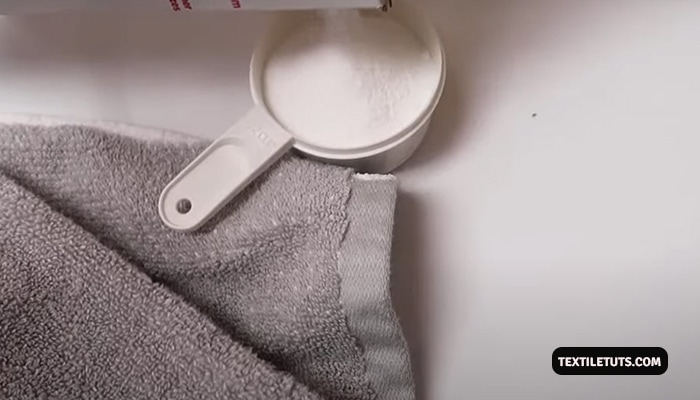
Soda ash (sodium carbonate) prepares cellulose fibers for dye bonding by raising the fabric’s pH to approximately 10-11, which opens the fiber structure and enables vibrant, long-lasting color attachment. Prepare a solution of 1 cup of soda ash per 1 gallon (3.8 liters) of warm water.
Soda ash can cause dryness and irritation to skin, and it may damage fingernails. Wear protective nitrile gloves and consider removing jewelry or trimming nails before handling the solution to protect your hands.
Soak and Rinse Well
Submerge the prewashed modal fabric in the soda ash solution for a minimum of 10 minutes or up to 8 hours for maximum dye uptake. Longer soaking times within this range improve color vibrancy and penetration depth without damaging the fabric structure.
The alkaline solution will not harm modal’s delicate texture. If you have a spinning washing machine, use the gentle spin cycle to efficiently remove excess solution. When rinsing by hand, handle the fabric gently to prevent stretching or distortion of the fiber structure.
Note
Rinse the fabric thoroughly until the water runs completely clear before applying any dye. Residual soda ash affects dye absorption patterns and can cause unexpected color variations.
Fold and Tie Your Favorite Patterns
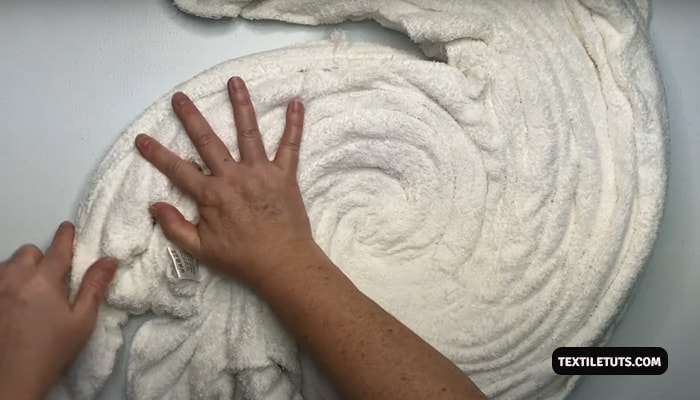
The folding and tying technique determines your final pattern. Scrunching creates circular patterns, accordion folds produce striped effects, and twisting generates spiral designs. Each technique manipulates the fabric differently to control which areas accept dye.
Secure folds with rubber bands or twine at 2-3 inch intervals to maintain tight creases throughout the dyeing process. If you are uncertain which pattern suits your project, consult a professional dyer or textile artist for guidance on selecting the optimal technique.
Start Dyeing
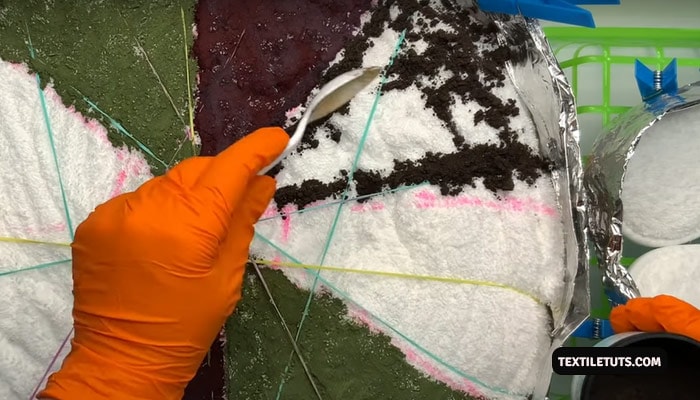
Apply dye to the folded and tied fabric using your chosen method. The most common mistake at this stage is using too much or too little dye. Apply dye in thin, even layers, working it into the crevices and folds with a squeeze bottle or brush.
Select an appropriate dye method for cellulose fibers. Fiber reactive dyes (such as Procion MX) work exceptionally well with modal fabric, producing bright, wash-fast colors. Disperse dyes require heat setting at 380-400°F (193-204°C) for proper bonding.
Cure Time
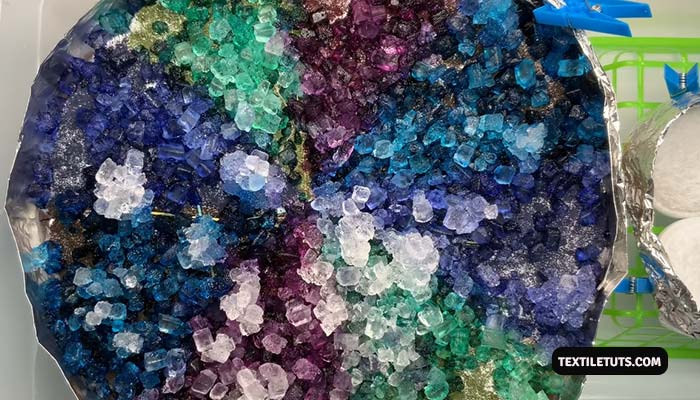
After applying dye, wrap the fabric in plastic sheeting or place it in a sealed plastic container to prevent drying and maintain humidity during the setting process. Allow the dye to cure for a minimum of 24 hours at room temperature of 68-72°F (20-22°C).
Do not apply external heat during curing. Higher temperatures can cause the dye to set on the fabric surface rather than penetrating the fiber, resulting in colors that fade quickly with washing.
Washout Everything
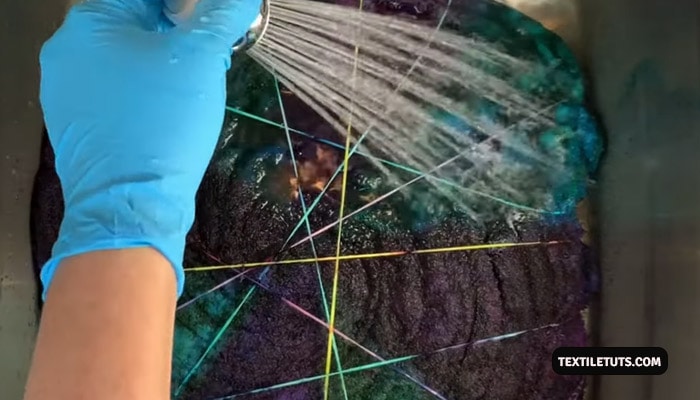
After curing, rinse the fabric in cool water initially to remove excess dye, then gradually increase to hot water at 140°F (60°C) for the final wash cycle. Use a mild detergent and run the washing machine on a gentle or permanent press cycle.
For hand washing, add a small amount of dish soap to cool water and rinse until the water runs clear. Initial color bleeding is normal and expected; the excess dye will dissipate within the first 2-3 wash cycles.
Note
Removing all excess dye completely may seem difficult, but continued rinsing and washing will eliminate residual color within 2-3 wash cycles.
Expert Tips to Consider While Tie Dyeing Modal Fabric
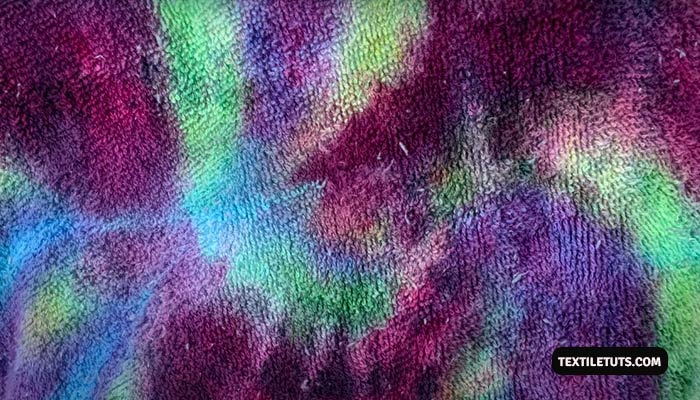
The following expert tips will help you achieve the most vibrant, long-lasting results when tie-dyeing modal fabric.
Following these guidelines ensures professional-quality results with vibrant, colorfast designs that maintain their appearance through multiple wash cycles.
Using Synthetic Dye on Modal Fabric for Tie Dyeing
You can use synthetic dye on modal fabric for tie-dyeing projects. Modal fabric is derived from the cellulose of beech trees, and like cotton, it absorbs fiber reactive dyes effectively. Synthetic dye on modal fabric produces vibrant, long-lasting colors with excellent wash fastness when properly prepared and cured.
Bottom Line
After following this guide, you can achieve professional-quality tie-dye results on modal fabric. If you are uncertain about which color patterns and combinations will work best for your project, consult a professional textile dyer or dry cleaning specialist for guidance.
When tie-dyeing modal fabric yourself, follow the expert tips outlined above to achieve outstanding, vibrant results that maintain their color through repeated washing.
References
- ASTM International. (2023). Standard Specification for Cellulose Fiber Yarns. ASTM.
- U.S. Federal Trade Commission. (2022). Textile Fiber Products Identification Act. FTC.


