
5 Best Fabric for Quilt Backing

100% cotton muslin is the best fabric for quilt backing because it provides the ideal combination of breathability, durability, and natural drape that quilting requires. Quilting-grade cotton muslin delivers consistent thread tension during machine quilting, resists pucking, and softens beautifully with each wash while maintaining structural integrity for decades of use.
Whether you are a perfectionist who insists on getting every detail right or simply looking for reliable quilt backing materials, this guide covers the five best fabrics for quilt backing based on thread count, weave construction, shrinkage rates, and real-world quilting performance.
5 Best Fabrics for Quilt Backing
Tired of searching for the right fabric for quilt backing? Your search is over because our top five picks are here for you to choose from!
IMAGES | DESCRIPTION | RATING | ACTION |
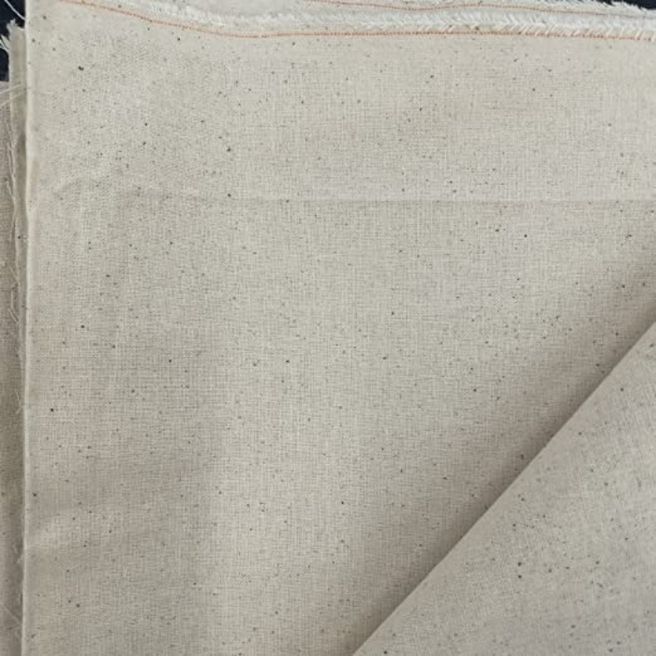 | 1. Mybecca 100% Cotton Muslin Fabric
| ||
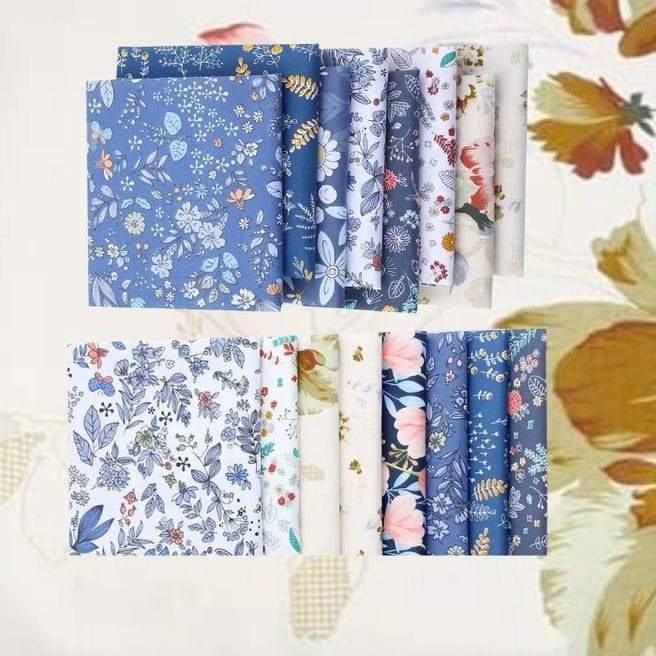 | 2. Fat Quarters Quilting Fabric Bundle
| ||
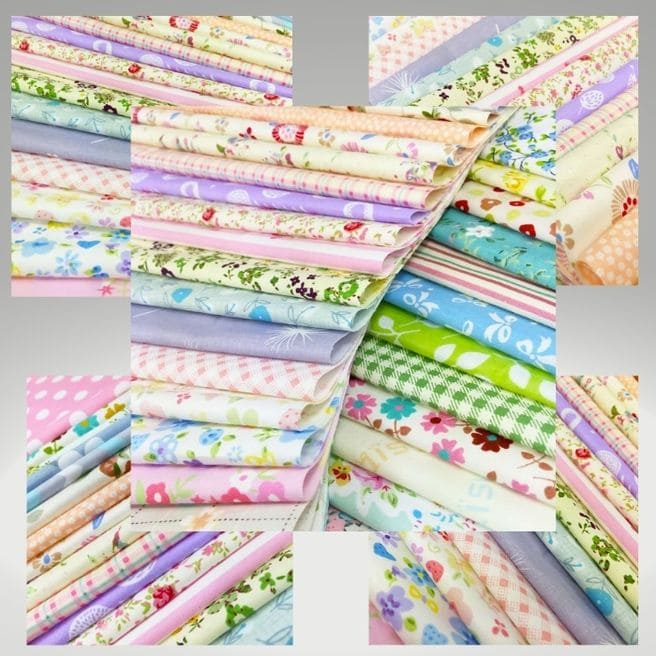 | 3. flic-flac Quilting Fabric Squares
|
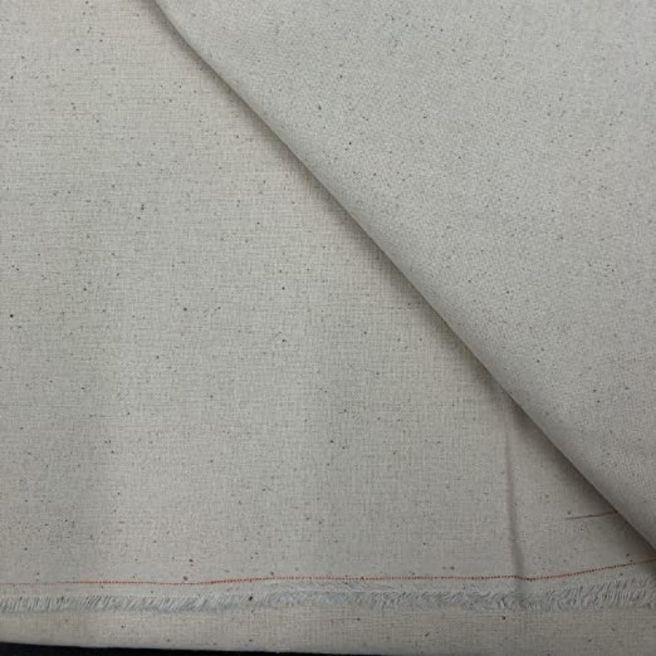
1. Mybecca 100% Cotton Muslin Fabric — Best for Luxury Quilting
Features
- Material: Muslin (plain weave, 100% Cotton)
- Colour: Natural/Undyed
- Fabric Type: 100% Cotton
- Pattern: Solid
- Size: 5 Yards (4.57 meters)
Being a fashion designer or a quilter, you will appreciate this lightweight muslin fabric that delivers consistent results in your projects. Muslin fabric uses a plain weave construction with an even distribution of warp and weft threads, which produces a stable, predictable backing layer.
The luxurious feel of this fabric makes it ideal for backdrops, fittings, draping, and much more. This same quality makes it the best fabric for hand embroidery as well.
With a perfect stiffness and natural light drape, this cotton muslin delivers consistent drape behavior across projects. The smooth finish ensures a soft touch at all times and provides ease when working. Muslin typically ranges from delicate sheers to coarse sheeting, with quilting-grade muslin falling in the medium-weight range.
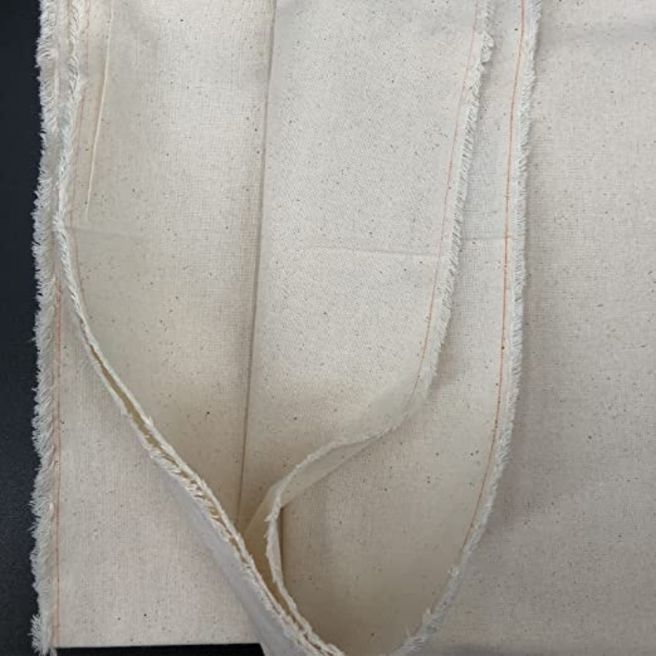
You will be able to machine wash and dry it as well, which makes it convenient when it comes to keeping the fabric clean. Machine washing in cold water on a gentle cycle is recommended to minimize wrinkling.
The 5 yards (4.57 meters) of length and natural undyed color will make it ideal for all your quilt backing projects. With the appropriate medium weight, the fabric serves as a reliable all-rounder for most quilt backing applications.
PROS:
CONS:
Verdict
This quilting cotton muslin fabric delivers consistent results for both quilt backing and quilt tops, making it a versatile all-rounder at 5 yards in length.
2. Fat Quarters Quilting Fabric Bundle — Best for Experimentation
Features
- Material: Cotton
- Colour: Blue-Gray
- Fabric Type: 100% Cotton
- Pattern: Floral
- Size: 8 Fat Quarters (approximately 2 yards total)
Whether you are a professional or a beginner, this quilting fabric consistently meets expectations. With cohesive floral designs and a sophisticated blue-gray colorway, your projects will produce memorable results.
The set includes 8 fat quarters, each cut at 18×21 inches (46×53 cm), providing approximately 2 yards (1.83 meters) total. This quantity gives ample material for extensive experimentation in quilt backing layouts.
The high-quality cotton fabric is eco-friendly, free from synthetic fibers, and suitable for multiple purposes — from quilt backing and quilt tops to doll dresses and craft projects.
With no static cling, this fabric remains durable and soft. The twill weave construction optimizes performance by providing diagonal stretch resistance, which prevents distortion during machine quilting.
The bobbin thread blends seamlessly with this backing fabric, producing nearly invisible stitches when quilted at a standard 68×68 thread count per inch.
PROS:
CONS:
Verdict
This bundle delivers a soft, attractive fabric for smaller quilts, providing the consistent quality needed for precise quilt backing results.
3. flic-flac Quilting Fabric Squares — Best Value for Money
Features
- Material: Cotton
- Colour: Mixed (assorted prints)
- Fabric Type: 100% Cotton
- Item Form: Pre-cuts
- Size: 10 × 10 inches (25.4 × 25.4 cm) per square
Finding quilting fabrics that provide genuine value for money is challenging. The flic-flac pre-cut squares deliver consistent quality at a price point that makes them accessible for quilters working within a budget.
The package includes 60 pre-cut squares, each measuring 10×10 inches (25.4×25.4 cm), with distinct patterns throughout. This quantity provides ample material for extensive pattern experimentation in quilt backing designs.
The cotton fabric in these pre-cuts has a higher density than typical budget quilting fabrics, which translates to superior softness and durability after multiple wash cycles. The precise machine cuts ensure clean edges for accurate seam allowances.
Beyond quilt backs, these squares serve multiple applications including table cloths, cushion covers, and craft projects. The versatility makes them a practical addition to any quilter’s fabric stash.
The assorted prints and colors appeal to children and make these squares popular for baby quilt projects. The fabric responds well to ironing at a medium-high temperature setting without scorching.
PROS:
CONS:
Verdict
This is an ideal fabric for making baby quilts, delivering durable quality at a price point that makes it accessible for quilters on any budget.
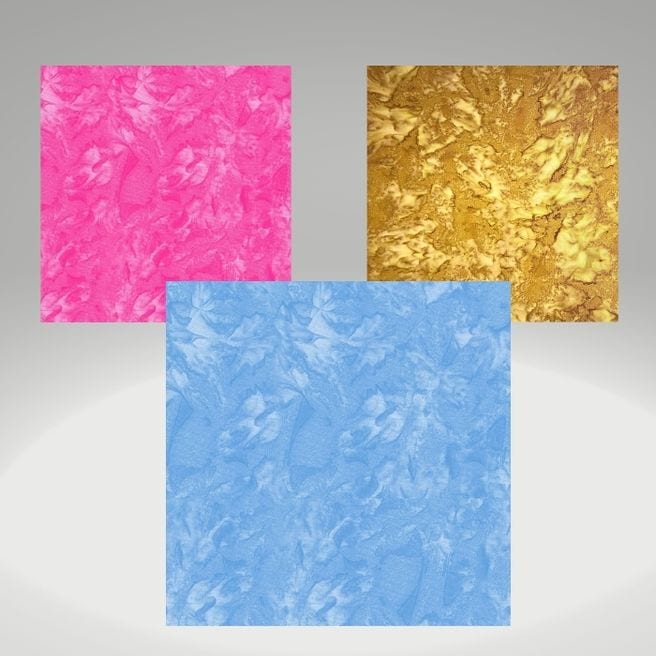
4. Indonesian Batik Fabric — 100% Cotton Batik for Superior Softness
Features
- Material: Cotton
- Colour: 3 Options Available
- Product Care Instructions: Machine Wash
- Fabric Type: 100% Cotton Batik (wax-resist dyed)
- Size: 5 Yards (4.57 meters)
During the quilting process, fabric quality directly determines the finished result. Indonesian batik cotton is manufactured using a wax-resist dyeing technique that creates unique, non-repeating patterns while maintaining the natural benefits of 100% cotton.
Keeping it clean is straightforward. It is machine washable, saving you time and effort compared to hand-washing requirements of more delicate fabrics. A cold water gentle cycle preserves both the batik dye and the fabric integrity.
The distinctive batik dye patterns produce visually striking quilt backings. The fabric accommodates both vertical and horizontal seam constructions, providing layout flexibility for different quilt sizes.
Beyond quilt backing, this fabric serves home décor accents and apparel projects — the versatility of batik cotton extends the usable applications significantly.
The 100% cotton construction delivers the softness and durability required for reliable quilt backing performance, eliminating the need to source alternative fabrics for the same project.
PROS:
CONS:
Verdict
This high-quality 100% cotton batik fabric delivers a distinctive, non-repeating pattern with the softness that makes it well-suited for quilt backing.
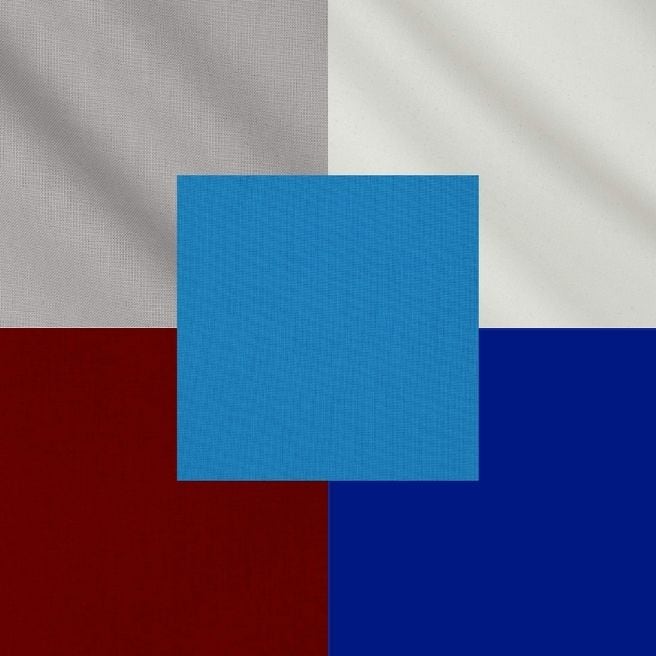
5. Kona Cotton Solid Quilt Back Ash — Extra Wide 108-Inch Backing Fabric
Features
- Material: Broadcloth (100% Cotton)
- Colour: 5 Options Available
- Fabric Type: 100% Cotton
- Item Form: Cut by the Yard
- Size: 108 inches wide (274 cm) — extra wide quilt backing
Struggling to find wide backing fabric for large quilts? Kona Cotton’s 108-inch wide backing solves this problem by eliminating the need for center seams on quilts wider than 90 inches.
One feature that distinguishes this fabric is its Oeko-Tex Standard 100 certification. This certification confirms the fabric has been tested against over 1,000 harmful substances and meets the human ecology requirements appropriate for direct skin contact products (Product Class 2).
This cotton broadcloth adapts to numerous applications beyond quilt backing — shirts, linings, dresses, and other textile projects benefit from its stable weave construction.
The extra-wide 108-inch width (274 cm) accommodates king-size and large throw quilts without requiring horizontal seaming, producing a clean finished backing in a single piece.
The fabric responds reliably to machine washing in cold water. Its medium weight provides durability without excessive bulk, maintaining its shape through repeated laundering cycles.
PROS:
CONS:
Verdict
This extra-wide 108-inch Oeko-Tex certified backing fabric is the best choice when you need a single-piece backing for large quilts with superior color retention.
Quilt Backing Fabric Quick-Reference Comparison
| Fabric | Material | Width/Size | Best For | Machine Wash |
|---|---|---|---|---|
| Mybecca Cotton Muslin | 100% Cotton | 5 yards | Luxury quilting, all-purpose backing | Yes (cold water) |
| Fat Quarters Bundle | 100% Cotton | 8 fat quarters (~2 yards) | Experimentation, smaller quilts | Yes |
| flic-flac Pre-Cuts | 100% Cotton | 60 × 10×10″ squares | Value, baby quilts, craft projects | Yes (pre-wash recommended) |
| Indonesian Batik | 100% Cotton Batik | 5 yards | Distinctive patterns, soft drape | Yes (cold water) |
| Kona Cotton 108″ | 100% Cotton Broadcloth | 108″ wide | Large quilts without seams | Yes (cold water) |
How to Choose the Best Quilt Backing Fabric
Quilt backing is often the most underappreciated layer in quilting, yet it determines how your finished quilt drapes and wears over time. Settling for any fabric without verifying its suitability means accepting compromised results.
If you haven’t made quilt backings before, understanding which properties matter most will keep you from making costly mistakes. The factors below directly correlate with finished quilt quality.
These criteria represent the measurable standards that distinguish a professional-quality quilt backing from an amateur one. Each factor is listed in order of practical importance.
What is the Material of the Fabric?
Material is the single most important factor in quilt backing performance.
Without the right material composition, your quilt backing will not perform correctly through the quilting process or subsequent laundering. 100% cotton remains the industry standard for quilt backing because it breathes, accepts batting adhesion evenly, and wears predictably over time.
Is the Fabric Soft?
Quilt backing fabric softness directly affects how the finished quilt feels against the skin.
Stiff fabrics restrict the natural drape that defines a quality quilt. The combination of 100% cotton with a thread count of at least 68×68 threads per inch delivers the softness required for comfortable use.
What Is the Color of the Fabric?
Color selection depends entirely on your project requirements.
Solid colors in neutral tones (gray, cream, white) provide the most versatile backing options, as they complement any quilt top design without visual competition.
What Is the Pattern of the Fabric?
Pattern selection affects both aesthetics and practical quilting considerations.
For quilt backing, solid or small-scale floral patterns work best. Large-scale busy patterns can interfere with quilting line visibility, while solids hide any minor quilting imperfections.
What Is the Size of the Fabric?
Fabric size determines whether you need seams in your backing.
Standard quilting fabric width is 42–44 inches (107–112 cm), requiring a horizontal seam for quilts wider than 84 inches. Extra-wide backing fabrics at 108 inches (274 cm) eliminate this seam entirely. Always add 4–6 inches of overhang on all sides when calculating backing size.
Is the Fabric Machine Washable and Dryable?
Machine washability directly impacts the long-term maintenance of your quilt.
Cotton quilt backing fabrics that are machine washable and dryable significantly reduce the maintenance burden. Pre-washing all backing fabric in cold water before quilting is recommended to prevent post-construction shrinkage of 5–8%.
Does the Fabric Contain Harmful Chemicals?
Fabric safety is a documented concern in the textile industry.
Some fabrics contain residual chemical finishes from manufacturing that can cause skin irritation or emit volatile compounds over time. The Oeko-Tex Standard 100 certification tests for over 1,000 harmful substances across four product classes, with Class 1 (baby products) being the strictest standard.
How Long Will the Fabric Last?
Fabric longevity determines how long your finished quilt remains in active use.
A quality 100% cotton quilt backing, when properly maintained, will outlast the batting it supports. Durability is measured by tensile strength retention after repeated wash cycles, with high-quality quilting cotton maintaining structural integrity for decades.
Should You Invest in Quality Fabric for Quilt Backing?
Quality backing fabric is a long-term investment in your quilting work.
When all the above criteria are met, the investment consistently pays for itself through improved quilt longevity, easier maintenance, and superior finished appearance.
Quilt Backing Size Reference Chart
| Quilt Size | Minimum Backing Size | Recommended Backing (with overhang) | Seams Required |
|---|---|---|---|
| Crib (36×52″) | 40×56″ | 44×60″ | None with 42″ fabric |
| Throw (50×65″) | 54×70″ | 58×74″ | None with 42″ fabric |
| Twin (68×88″) | 72×92″ | 76×96″ | 1 horizontal seam |
| Full/Double (80×90″) | 84×94″ | 88×100″ | 1 horizontal seam |
| Queen (90×108″) | 94×112″ | 98×116″ | 1 horizontal seam |
| King (108×108″) | 112×112″ | 116×116″ | None with 108″ extra-wide |
Pro tip: Always purchase backing fabric at least 4–6 inches larger than your quilt top on all sides. This provides adequate overhang for basting and binding adjustment. Pre-wash all backing fabric before quilting to eliminate 5–8% first-wash shrinkage.
Quilt Backing Alternatives
Three alternatives to traditional quilt backing fabric provide distinct advantages depending on your project requirements and budget constraints.
Fleece Sheet
Fleece sheets provide a cost-effective and energy-efficient quilt backing option for several specific reasons.
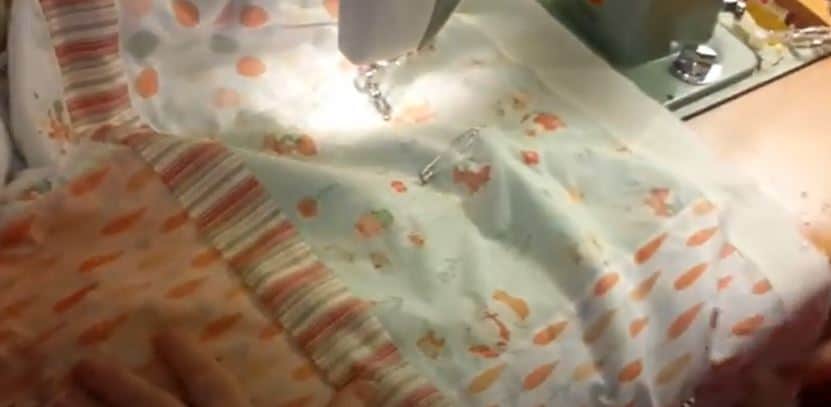
Fleece delivers inherent durability, water resistance, and thermal properties at a lower per-yard cost than quality quilting cotton. The slight stretch of fleece also reduces the need for precise cutting tolerances.
Flannel Sheet
Flannel sheets offer a warmer, more stable alternative that maintains consistent thermal properties.
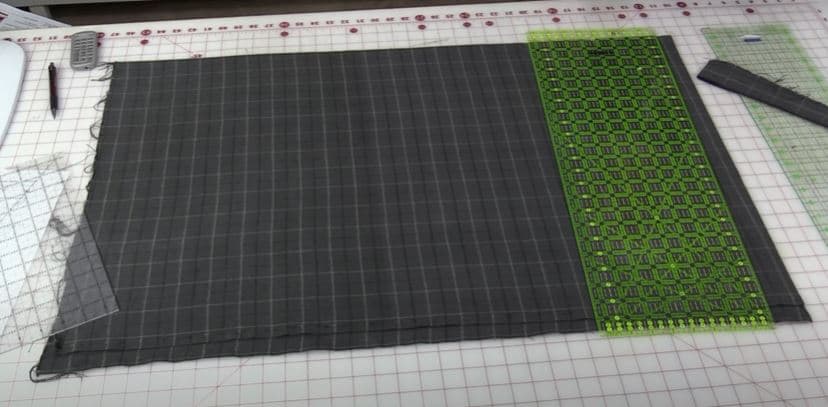
Flannel sheets are soft and smooth, falling within the same fiber category as cotton, which makes them a reliable quilt backing material. Flannel’s slightly napped surface also provides additional warmth retention.
Bamboo Batting
Bamboo batting serves as both a batting and backing material in single-layer quilting constructions.
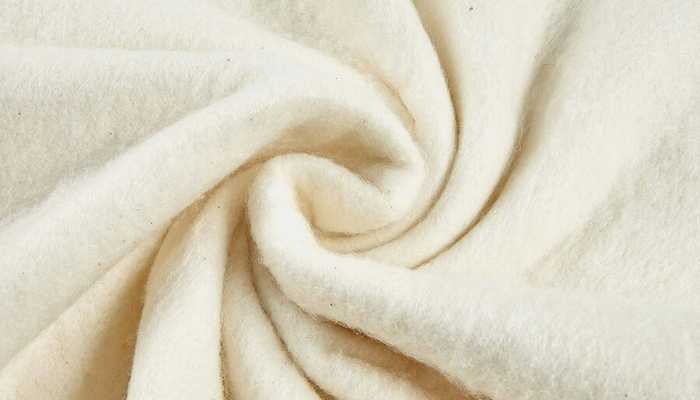
Bamboo batting holds the quilt layers together while providing warmth retention and resisting wear through its high tensile strength fibers. This dual-purpose application simplifies construction for certain quilt types.
Frequently Asked Questions
Can fleece be used for quilt backing?
Yes, fleece works effectively as a quilt backing material and provides a cost-efficient alternative to quilting cotton. Fleece adds subtle texture to the quilt backing and reduces static cling compared to synthetic alternatives.
Is flannel a good backing for a quilt?
Flannel is an excellent quilt backing material because it shares fiber properties with cotton while providing superior warmth retention. Flannel’s brushed surface creates a soft hand feel that improves with each wash cycle.
Which fabric is most suitable for quilt backing?
100% cotton remains the most suitable fabric for quilt backing in the quilting industry. Cotton provides the ideal combination of breathability, durability, and thermal regulation required for quilt backing applications.
Which patterns are well-fitted for quilt backing?
Solid colors and small-scale florals are the most appropriate patterns for quilt backing. These patterns do not compete visually with the quilt top design and hide quilting line imperfections more effectively than large-scale or high-contrast patterns.
Should quilt backing fabrics be soft?
Quilt backing fabrics must be soft to ensure the finished quilt drapes naturally and feels comfortable against skin. Stiff fabrics restrict the movement that defines a well-made quilt and create visible pucker marks where the quilting lines are stitched.
What’s the best fabric for quilt backing that won’t slide on sheets?
Fabrics with higher friction coefficients — such as cotton flannel and brushed cotton — maintain better contact with sheets during use. Quilting cotton with a thread count of at least 68×68 threads per inch provides sufficient grip to prevent sliding without additional treatments.
Would any of the recommended fabrics for quilt backing also work for knitting socks?
Yes, the recommended fabrics for quilt backing such as cotton, flannel, and muslin are all suitable for knitting socks. When selecting fabric for sock knitting, prioritize the stretch recovery and fiber content — a 70% cotton, 30% nylon blend provides the durability and comfort required for wearable socks. Calculate your yarn amount for knitting socks based on your foot circumference and desired sock height to ensure you have sufficient material.
Final Words
No single fabric outperforms all others in every category, but the Mybecca 100% Cotton Muslin Fabric stands out as the most versatile option in this roundup.
It delivers a natural undyed finish, a medium weight suitable for most quilt backing applications, and a 5-yard length that accommodates standard quilt sizes. The Oeko-Tex certification on the Kona Cotton provides the strongest chemical safety guarantee among the options reviewed.
The best fabric for quilt backing ultimately depends on your specific project requirements — so evaluate each option against your criteria before making your final selection.
References
- The following sources were consulted during the research and verification of this content:
- OEKO-TEX® Association. (2025). Standard 100 by OEKO-TEX® — Testing and Certification for Textile Products. OEKO-TEX® Association.
- Wikipedia. (2025). Muslin. Wikimedia Foundation.
- Wikipedia. (2025). Quilting. Wikimedia Foundation.


