
Why Does My Zipper Keep Falling Down?

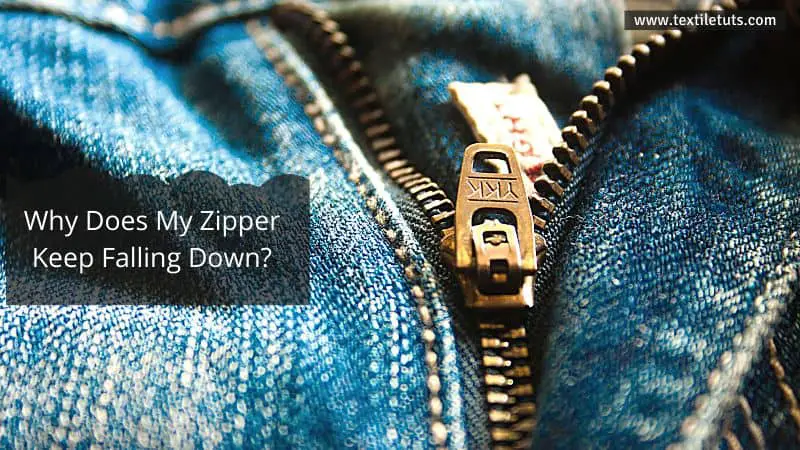
The most common reason a zipper falls is that the garment is too tight. Walking or moving creates lateral pressure on the zipper chain, forcing it to separate. Additional factors include the size of the teeth, the type of zipper, and the condition of the slider — but fit is the primary culprit in most cases.
In this article, we explore the most common reasons zippers fall and provide tips for preventing and fixing the problem.
Common Reasons Your Zipper Keeps Falling Down
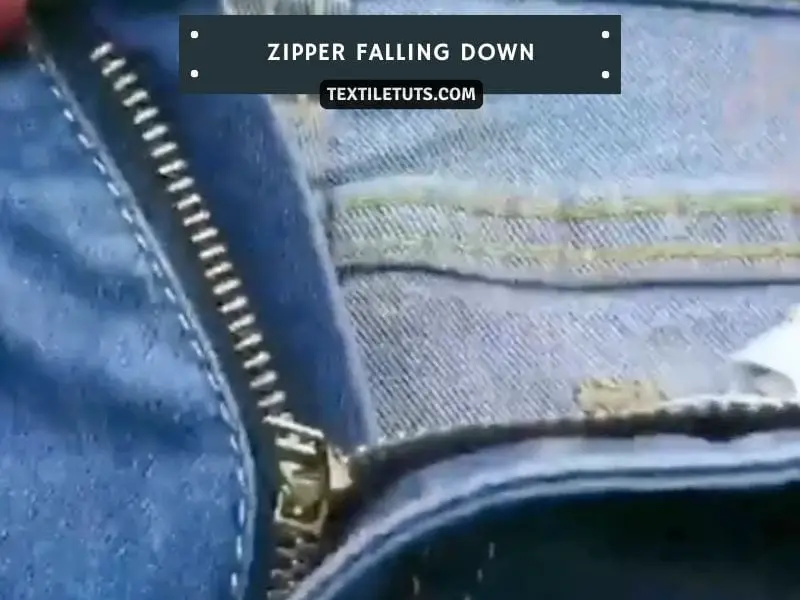
Zippers are one of those things that we often take for granted until they stop working properly. If your zipper constantly falls, it can be frustrating and embarrassing. There are several distinct reasons why this happens.
Tight Clothing

The most common reason a zipper fails is that the garment is too tight. When you walk or move, lateral pressure forces the zipper to separate. Garments made from low-stretch fabrics with no give exacerbate this problem significantly.
Zipper Type and Gauge Mismatch
The type and gauge of a zipper determines its load-bearing capacity. Coil zippers are more prone to failure than metal zippers because the continuous coil spiral can catch on fabric fibres and fray over time. Standard zipper gauges and their typical applications include:
| Zipper Gauge | Chain Width (approx.) | Typical Applications |
|---|---|---|
| #3 (fine) | 3–4 mm | Blouses, children’s clothing, delicate dresses |
| #5 (standard) | 5–6 mm | Pants, skirts, mid-weight dresses |
| #10 (heavy) | 6–8 mm | Jeans, jackets, heavy coats, luggage |
Using a #3 (fine gauge) zipper in a heavy denim jacket creates a structural mismatch. The lighter zipper teeth cannot withstand the lateral forces generated during movement, and the zipper will fall repeatedly.
Damaged or Bent Zipper Teeth
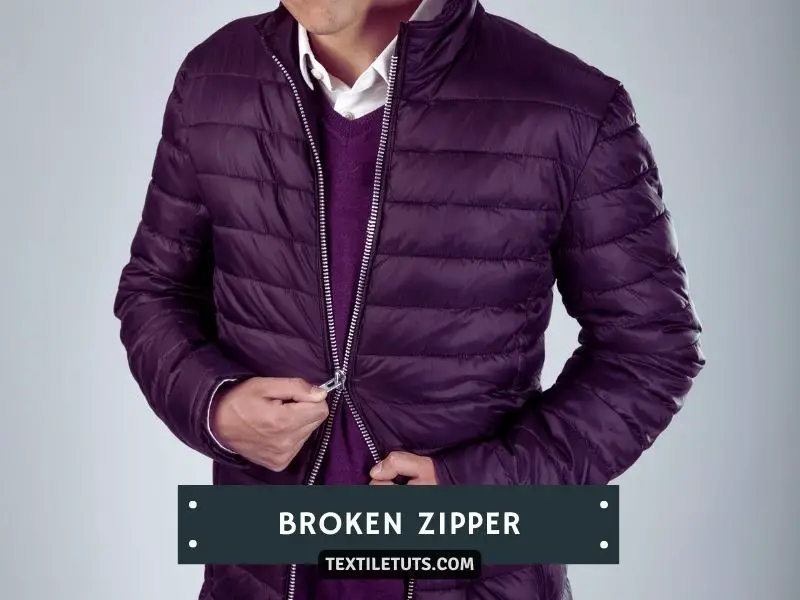
One reason your zipper falls is that the teeth are damaged or bent. This happens from overuse, catching the zipper on another garment, or simple material fatigue over time. Damaged teeth no longer interlock correctly with the slider, allowing the zipper to separate with any applied pressure.
When teeth are the source of the problem, replacing the entire zipper is the only reliable fix. Individual teeth cannot be repaired in the field.
Loose Zipper Slider
The slider can become loose in two scenarios. First, the zipper was not fully engaged and locked after zipping. Second, the slider has worn out from repeated use over months or years. A worn slider no longer applies sufficient clamping force to hold the zipper teeth together, and the zipper slips open with any movement.
Zipper Lifespan: How Long Do Zippers Last?
| Zipper Type | Typical Lifespan | Key Failure Modes |
|---|---|---|
| Metal (brass/aluminium) | 2–5 years regular use | Tooth wear, slider loosening, corrosion |
| Coil (polyester) | 1–3 years regular use | Coil fatigue, fraying, deformation |
| Moulded plastic | 1–2 years regular use | Tooth cracking, tape delamination |
Incorrect Zipper Installation
Incorrect installation is a common mistake when sewing a zipper into a garment. If the zipper is not properly aligned, the fabric pulls the zipper teeth out of alignment during movement. Excessive strain on the zipper during installation also weakens the tape-to-teeth connection, leading to premature failure.
Worn-Out Zipper
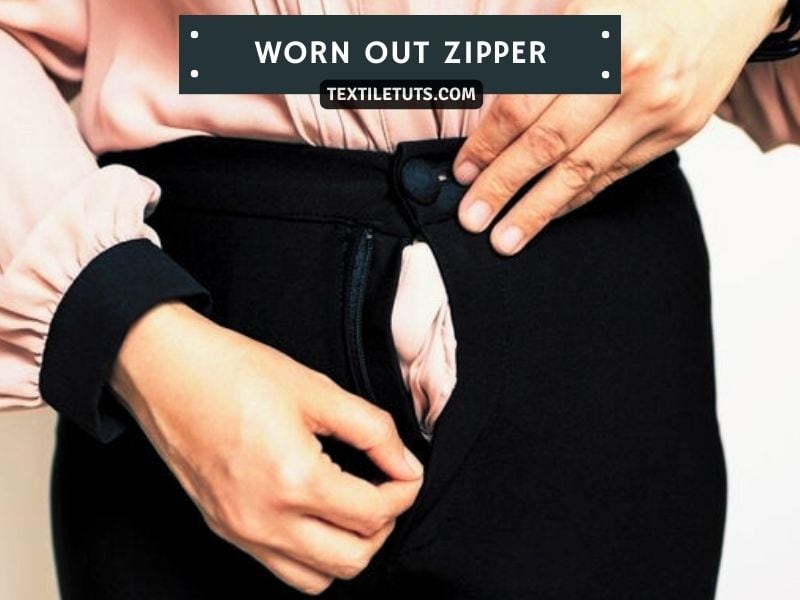
A zipper reaches the end of its service life when the teeth are visibly worn, the slider no longer closes the chain tightly, or the fabric tape is frayed or disintegrating near the teeth. When multiple symptoms appear together, replacing the zipper is more cost-effective than repeated repairs.
How to Keep a Zipper from Falling on a Dress
Prevent yourself from experiencing the embarrassment of an open zipper in public with these practical solutions.
Use Velcro
Place the soft (loop) side of a small piece of Velcro on the inside of the dress near the top of the zipper. The fuzzy surface grips the zipper teeth and holds the zipper in place. This method works well for lightweight fabrics where stitching a hook-and-eye may damage the material.
Apply a Safety Pin
Insert a small safety pin through both layers of fabric just below the top of the zipper. This physically holds the zipper teeth together at the point of greatest stress. Use a size 1 (small) safety pin for delicate fabrics to avoid creating visible holes.
Use Ribbon
Tie a short piece of satin, grosgrain, or lace ribbon around the zipper pull and the top of the zipper chain. The ribbon adds a secondary fastening point that holds the zipper closed even if the teeth slip. This method also works as a decorative element on formal dresses.
Apply Clear Tape
Place a small piece of clear tape over the top of the closed zipper. Press firmly to secure it to the fabric. This is a particularly effective temporary solution for dresses made of delicate fabric where other methods may cause damage.
Secure with a Stapler
Insert the staple through both layers of fabric near the top of the zipper. The staple acts as a physical barrier, preventing the slider from travelling past that point. This is an emergency temporary fix only — the staples will rust and damage delicate fabrics over time.
If you have other ideas for keeping zippers from falling, please share them in the comments section below.
How to Stop a Zipper from Coming Down on Jeans
To prevent the embarrassment of an open zipper in public, try one of these three proven methods.
Method 1: Fix the Zipper Using a Keyring
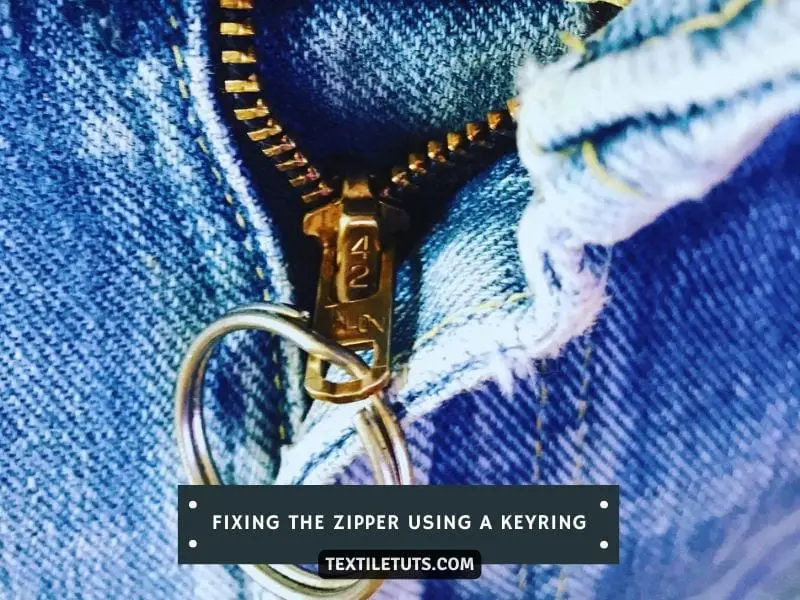
Things You Need
- A small metal keyring (approximately 20–25 mm diameter works best)
Instructions
Pull the zipper up as high as it will go. Thread the keyring through the hole at the top of the zipper pull.
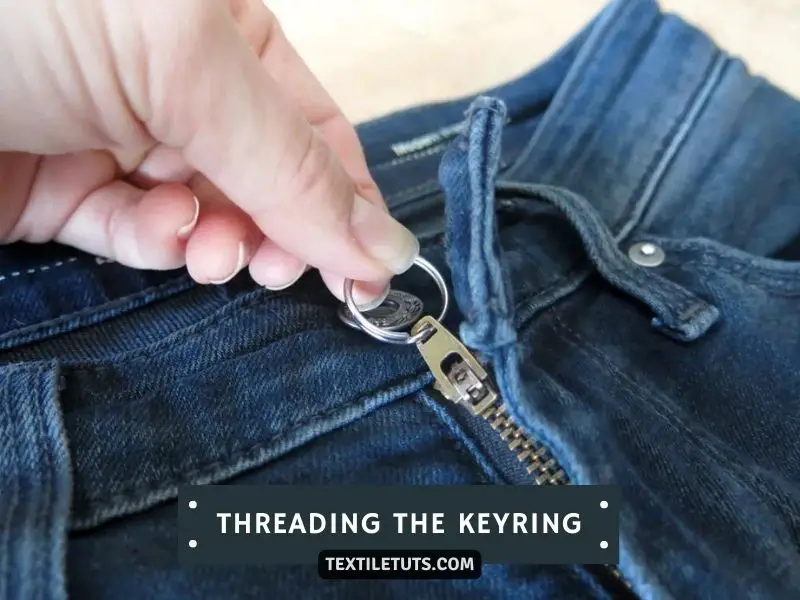
Put on your jeans as usual. Attach the keyring to the metal button at the waist.
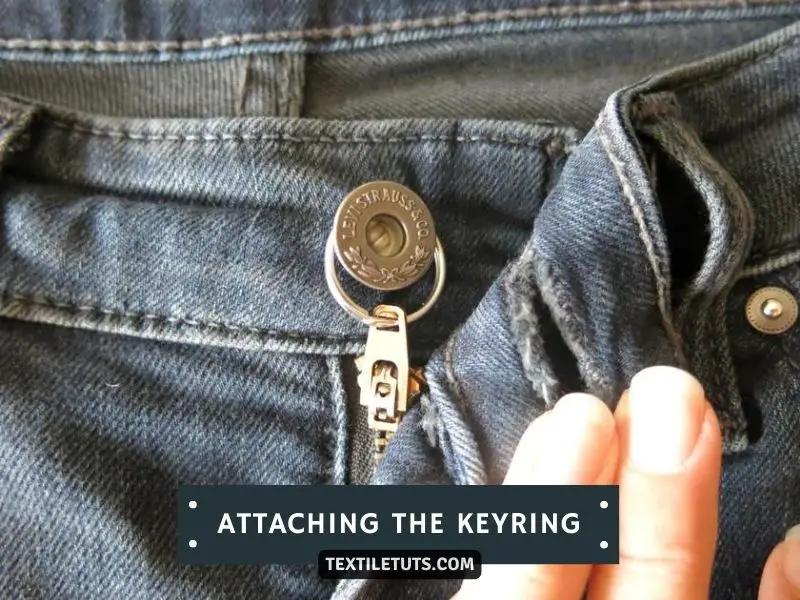
Button up your jeans as usual. The keyring connects the zipper pull to the button and holds the zipper closed with sufficient force to prevent it from sliding down during normal movement.
Method 2: Use a Paperclip
Things You Need
- One standard-size paperclip (no. 1 size works best)
Instructions
- Open the paperclip so that it is straight. Hook one end of the paperclip through the fabric above the zipper.
- Hook the other end of the paperclip onto the metal tab at the top of the zipper pull. Put on your jeans as usual.
- The paperclip creates a secondary connection between the zipper and the waistband, holding the zipper closed during movement.
Method 3: Use Hook and Eye Fasteners
If you have basic sewing skills and are familiar with hook and eye fasteners, this video demonstrates how to sew a hook and eye at the top of your zipper. The method takes approximately 5–10 minutes and provides a permanent solution.
How to Fix a Zipper That Has Fallen Off
If your zipper has completely fallen off, do not panic. With a few simple tools, you can restore the zipper to working order.
What You Will Need
- A pair of flat-nose pliers
- A replacement zipper stop (or original if reusing slider)
- A new zipper slider (if the existing one is worn or damaged)
- A pair of sharp scissors
- Strong thread (polyester or nylon, 40–60 weight)
Instructions
Step 1: Remove the Old Zipper Slider
Grip the old zipper slider firmly with flat-nose pliers. Apply steady outward pressure to slide the slider off the zipper chain. If the slider is corroded, soak it in white vinegar for 15–30 minutes first to dissolve mineral deposits.
Step 2: Cut Off Excess Zipper Material
Use sharp scissors to trim any frayed or excess zipper material protruding beyond the intended chain length. Make clean cuts to ensure the new slider seats properly on the chain.
Step 3: Attach the New Zipper Slider
Thread the new slider onto the zipper from the front. If you are reusing the original slider, squeeze the slider body gently with pliers to reduce the gap — this restores the clamping force on the teeth. If the slider is too worn, replacing it is the only effective solution.
Step 4: Sew on a New Stop
Thread a needle with strong thread and sew a new stop at the top of the zipper chain. The stop prevents the slider from sliding off the end of the zipper. Sew it in place with 6–8 tight stitches and knot securely.
With these four steps, you can restore a fallen zipper to full function.
Zipper Sizing and Types: A Quick Reference
Understanding the different types and sizes of zippers helps you select the right replacement and diagnose problems more accurately.
Zipper Types
- Metal zippers: Made from brass, aluminium, or nickel alloys. Brass zippers are the strongest and most durable. YKK introduced 56S aluminium alloy in 1958, significantly reducing weight while maintaining strength.
- Coil zippers: Constructed from continuous polyester spiral filament. Formerly made from nylon, which degraded faster under UV exposure. Polyester coil zippers offer flexibility but are less durable than metal for heavy-duty applications.
- Moulded plastic zippers: Made from polyacetal or polyethylene resin. The teeth are moulded as a single piece with the tape, reducing the number of failure points. Commonly used in children’s clothing.
- Invisible zippers: A concealed coil zipper where the teeth are hidden behind the fabric tape, providing a clean external appearance. Commonly used in formal dresses and ecclesiastical garments.
Are All Zippers on the Right?
The placement of zippers on clothing varies by gender, region, and designer. Women’s clothing in most markets features zippers on the left side, a convention dating to historical dressmaking practices. Men’s clothing almost universally places zippers on the right side. Some countries, including in parts of South Asia and the Middle East, reverse these conventions for both men’s and women’s garments.
The side on which a zipper is placed is a matter of convention, not function. A zipper installed on the wrong side will work identically in terms of mechanics, though it will appear non-standard to consumers in that market.
Final Words
Zippers fail for a variety of reasons, ranging from simple fit issues to complete wear-out of the zipper mechanism. The good news is that most zipper problems have straightforward fixes, from using a keyring and paperclip for jeans to installing hook and eye fasteners for dresses. With the right replacement parts and basic tools, you can extend the life of your garment significantly.
If you found this article helpful, explore our guide on backpack zipper unstuck techniques. Please share this article with friends or family members who may benefit from these solutions.
If you have any questions or suggestions, please comment below. We would love to hear from you.
References
- Wikipedia contributors. (2024). Zipper — Wikipedia, the Free Encyclopedia. Wikimedia Foundation, Inc.
- ASTM International. (2025). ASTM D2061-23: Standard Test Methods for Strength of Zipper. ASTM International.
- International Organization for Standardization. (2025). ISO 1771:2021 — Zipper Terminology and Definitions. ISO.
- YKK Corporation. (2024). YKK Zipper Handbook: Fastener Products and Applications. YKK Corporation.
- The Woolmark Company. (2024). Garment Care Series: Zippers and Fasteners. Woolmark.


