

Can You Dry Whites and Colors Together? (Explained)

Yes, you can dry whites and colors together — but only if you follow specific guidelines based on fabric type, colorfastness, water temperature, and dryer heat settings. The key rule: always wash new colored garments separately first to test for dye bleeding, use cold water, and dry on low heat when combining loads.
Watch the video below for a visual guide, then read on for detailed instructions on how to do it safely.
Drying White Clothes with Colored Clothes
In general, laundry experts recommend keeping whites and colors separate when drying. If you mix white clothing with colored pieces, color bleeding can occur. Dark clothes frequently bleed their dye onto lighter items, causing whites to end up looking dingy or gray.
According to laundry care research, cold water washing significantly reduces the risk of dye transfer. Repeated wash cycles in cold water at approximately 15-20°C (59-68°F) help set colors and minimize bleeding. Temperatures exceeding 40°C (104°F) begin to activate dye molecules, increasing transfer risk.
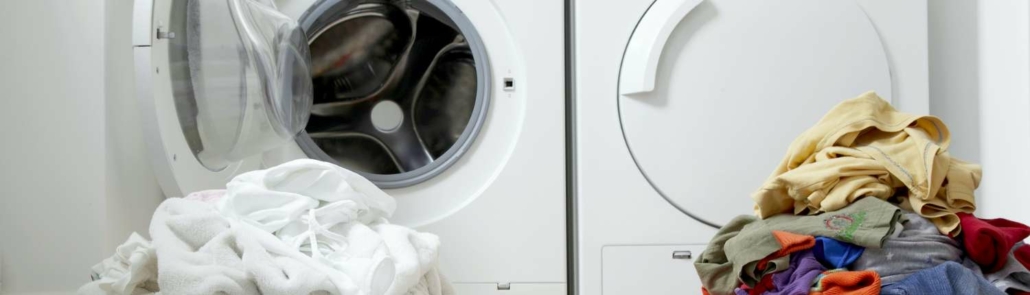
Drying Different Colors Together

Most modern fabrics are colorfast, meaning they won’t lose their color when washed. You can usually dry different colors together without problems. However, you should exercise caution with delicate fabrics that lack colorfast treatment. If you have any doubt about whether a particular fabric is colorfast, wash it separately to prevent dye transfer.
Temperature Reference Card
| Setting | Temperature | Effect |
|---|---|---|
| Cold wash (safe for colors) | 15-20°C (59-68°F) | Minimizes dye transfer; ideal for mixing whites and colors |
| Warm wash | 30-40°C (86-104°F) | Moderate risk — some dyes may release |
| Hot wash (avoid for mixing) | Above 40°C (104°F) | Dye molecules activate; high bleeding risk |
| Low heat dry | 40-50°C (104-122°F) | Safe for most fabrics when mixing colors |
| High heat dry (avoid) | Above 50°C (122°F) | Accelerates dye degradation and color fading |
Different Types of Clothes
The quality of clothes depends on fabric types. There are natural and synthetic fabrics. Natural fabrics are made of fibers that come from plants or animals. Cotton, linen, and silk are examples of natural fabrics. These are typically classified as delicate fabrics. Synthetic fabric is made of manmade fibers. Polyester, nylon, and acrylic are examples of synthetic fabric.
Cotton is a fabric that can be safely dried with other colors, as it typically doesn’t bleed. However, you should always check the care label first to be sure. Jeans are also usually safe to dry with other colors, as dark fabric doesn’t usually bleed onto other clothes. However, light-color jeans may bleed, so checking the care label is essential.
Drying White and Dark Colors Together

Dark colors can sometimes bleed, which raises concerns about mixing them with whites. As long as you wash them on a gentle cycle in cool water at approximately 15-20°C (59-68°F) beforehand, you can generally dry them all together on a low heat setting of 40-50°C (104-122°F). Check your dark clothes for any color bleeding before placing them with whites. If you notice any dye transfer, wash those items separately.
Drying Multiple Hues Together
It is better not to dry multiple hues of clothing together since they can mix. For example, if you mix a yellow shirt with a white one, the yellow dye may seep into the white garment and create a yellowish hue. It is preferable to dry each type of fabric separately, but there are certain exceptions. Check the garment care labels for specific information on how to keep colored clothes bright.
Heat Transfer When Drying Whites and Dark Clothes
You can dry whites and dark clothes together, but it is not recommended. If you do, ensure the colors are similar and there is plenty of space between items to minimize heat transfer. The heat from the dryer causes colors to fade faster—exposure to temperatures above 50°C (122°F) accelerates dye degradation. Dry on a low setting and remove clothes as soon as they are dry. Avoid overloading the dryer, which prevents proper airflow and causes colors to bleed.
Drying Soaking Wet Whites and Colors Together
If your clothes are soaking wet, do not put them in the dryer together regardless of color. Soaking wet garments have excess dye molecules suspended in the water, creating a high risk of color bleeding and transfer onto lighter fabrics.
Different colors react differently when exposed to heat, and you risk damaging them or changing their color if you dry them together while wet. Additionally, the color bleeding and staining issue becomes significantly worse with excess moisture.
Thus, always spin-dry whites and colors separately before combining them in the dryer.
Why You Shouldn’t Wash White and Colors Together
You shouldn’t wash whites and colors together because dye from new colored clothes can transfer to white clothes and cause permanent stains. Once dye transfer occurs, it is very difficult to remove the stains. Additionally, washing white and colored clothes together in the same load causes colors to run and bleed, ruining both the clothes and potentially the washing machine drum.
Laundry care experts recommend washing separately based on color families to preserve fabric integrity and appearance.
Best Way to Wash White Clothes
The best way to wash white clothes is using cold water between 15-20°C (59-68°F) and color-safe bleach. A fabric softener can also reduce wrinkles and static cling. Always avoid hot water above 40°C (104°F) since it may damage fabric fibers and cause shrinkage in cotton fabrics by 3-5%.
Cold Water Washing
Cold water washing preserves color and fabric quality while reducing energy consumption by approximately 60-75% compared to hot water cycles. It is the recommended method for maintaining garment appearance and extending clothing lifespan.
Steps
- Sort your laundry by color. Ensure all white clothes are in one load.
- Add cold water at 15-20°C (59-68°F) to the washing machine.
- Add the required amount of color-safe bleach—typically 50-100ml per 10 liters of water.
- Wash the clothes according to the manufacturer’s instructions on the care label.
- Hang the clothes to dry or use a low heat setting on the dryer at 40-50°C (104-122°F).
Color-Safe Bleach
Color-safe bleach comes in three forms: liquid, pastille, and granule. It is formulated for colored garments and is typically used at temperatures below 40°C (104°F) to remain effective. Always read the label to confirm compatibility with your washing machine.
Steps
- First, check the garment’s care label for wash temperature limits.
- If the wash symbols indicate a hand wash or cold water symbol, cold water washing is essential.
- Wash and rinse your clothes in cold water at 15-20°C (59-68°F) using color-safe bleach according to the package directions.
- Add a fabric softener to the final rinse cycle to help protect your clothes from color bleeding.
Fabric Softener
Fabric softener reduces wrinkles and static cling. It is important to read the label carefully to ensure it is compatible with your washing machine and the fabric type being treated.
Steps
- Add approximately 25-50ml of fabric softener to your washing machine according to the instructions on the bottle.
- Select the cold water option with the spin cycle in the washing machine.
- Wash your clothes as usual.
- Dry your clothes by hanging them up or using a clothesline.
How to Save Your Washing Time

You can save time by putting whites and colors together in the dryer, which reduces laundry cycles and energy consumption. However, the main risk is that clothes might get tangled together and colors might run. For best results, wash separately by color family, then combine items of similar colors in the dryer.
Best Way to Dry Your Clothes
The drying process varies depending on fabric type. There are several methods available: tumble drying, air drying, and line drying. Each method has distinct benefits and drawbacks related to energy consumption, fabric care, and drying time.
Tumble Drying
Tumble drying dries clothes quickly using heated air circulation. However, high heat settings above 50°C (122°F) can damage elastic fibers and cause shrinkage in cotton fabrics by 3-7%. Tumble drying uses approximately 3-4 kWh per cycle, making it the most energy-intensive drying method.
Air Drying
Air drying is the gentlest way to dry clothes and uses zero electricity. Direct sunlight exposure for 3 hours effectively kills dust mites and bacteria on fabrics. Line drying in direct sunlight can fade dark colors faster, so dry colored items in shade or indoors.
Colors That You Can Mix and Cannot Mix Together
| Colors Safe to Mix Together | Colors That Risk Bleeding onto White |
|---|---|
| Black, Blue, Brown, Gray, Green, Navy, Purple, Red, Yellow | Khaki, Light Blue, Orange, Pink, Turquoise |
Colors That Are Safe to Mix
- Black
- Blue
- Brown
- Gray
- Green
- Navy
- Purple
- Red
- Yellow
Colors That Should Not Be Mixed with White
- Khaki and white
- Light blue and white
- Orange and white
- Pink and white
- Turquoise and white
Frequently Asked Questions
Drying Light and Dark Clothes Together
You can dry light and dark clothes together as long as you use cold water at 15-20°C (59-68°F) and the colors are compatible with each other. Always check care labels and test a small area first if concerned about dye transfer.
Putting White Clothes with Colored Clothes in the Washer
You can put white clothes with colored clothes in the washer. Use cold water between 15-20°C (59-68°F) and color-safe bleach to ensure colors don’t run. Avoid using regular bleach on colored items.
Separating White Clothes
You should always separate white clothes from colored clothes before washing. This practice helps keep colors from bleeding and preserves the brightness of white fabrics. Separate at the sorting stage, not after items are wet.
Color Bleeding in Cold Water
Colors typically do not bleed in cold water below 20°C (68°F). However, some dyes may still release during the first few washes regardless of temperature. Always check the care label for specific washing instructions.
Why Zip Zippers Before Washing
Zippers can snag on other clothes and fabrics during the wash cycle, which can cause them to break or malfunction. By zipping them closed before washing, you protect them from damage and prevent tearing of delicate fabrics.
Washing Grey with White
You can wash grey with white. Because grey and white are similar colors with minimal contrast, they will not visibly bleed into each other. However, if the grey item is new and not pre-washed, test for colorfastness first.
Dryer Temperature for White Clothes
You can dry white clothes at temperatures between 40-60°C (104-140°F). The recommended setting is medium heat at approximately 50°C (122°F) to prevent shrinking or damaging synthetic blends. Cotton can tolerate higher heat up to 60°C (140°F).
Final Words
Now that you understand whether you can dry whites together with colors, consider the key factors when making your decision: fabric type, dye colorfastness, water temperature, and dryer heat settings. Each type of apparel has its own optimal drying process. Sort carefully, wash in cold water, and dry on low heat when combining colors. If you have any questions, please leave a comment below.
References
- Wikipedia. (2025). Laundry. Wikimedia Foundation.


